BARBARI BREAD AND HUMMUS

A match made in heaven!

Barbari Bread originates in Iran, formerly known as Persia, a name that evokes beautiful things in my mind. Barbari is a flatbread with ridges and a dark golden color provided by a glaze that often contains baking soda. I share a recipe that makes one small flatbread, fitting in a quarter sheet pan.

BARBARI BREAD
(adapted from cookingorgeous)

160 ml water (lukewarm)
250 g all-purpose flour
4 g instant yeast
5 g salt
3 g sugar
10 ml olive oil


For the Topping (you won’t need the full amount)
1 teaspoon olive oil
1 tablespoon all-purpose flour
½ cup water
½ teaspoon baking soda
2 tablespoon Sesame seeds


In the bowl of a KitchenAid type mixer combine the flour, salt, sugar, olive oil, and yeast. Add warm water gradually, stirring to form a sticky dough. Knead at low-speed for about 5 minutes. Place the dough in a lightly greased bowl, cover it with a damp cloth, and let it rise in a warm spot for 2 hours.

Make the glaze: in a small saucepan, combine flour, water, olive oil, and baking soda.
Cook over low heat, stirring continuously until it thickens into a smooth paste. Set aside to cool.

Shape the Dough: Flatten the dough into an oval or rectangular shape on a parchment-lined baking sheet. If the dough resists too much, form into a ball and allow it to rest for 15 minutes. The dough should end as 12 inches long and 5 inches wide. Using your fingers, gently press lines into the dough from top to bottom to create the signature ridges of Barbari bread. Brush the glaze mixture over the surface, covering the dough evenly. This will help to keep the bread moist and create that golden crust during baking. Sprinkle on sesame seeds.

Second Rise and Baking the Bread: Cover the shaped and topped dough with a damp cloth and allow it to rise for one hour.

Heat the oven to 390F. Bake the bread for about 20 minutes or until it turns golden brown with a crisp crust.

ENJOY!

to print the recipe, click here
For the hummus, I used a fantastic recipe from Milk Street, which is available online (click here). I advise you to halve the recipe because it would feed an army. I am not too fond of freezing hummus, so half the recipe was perfect for us. Can you tell how luscious and creamy it is?


Comments: Barbari bread is definitely one to consider adding to your rotation, because it is super easy to make and absolutely delicious. As to the hummus, Milk Street recipe is pretty involved, but worth it. Thick, intensely flavored, a real hit of sesame with each bite.


I hope you try both this recipes, they were perfect together. Hummus is often a breakfast item in Israel, consumed warm with Kawarma (spiced ground meat) spooned all over it. We took the less authentic route by enjoying it as a dip. If you have The Milk Street Cookbook that goes along with the TV show, both recipes are there.

ONE YEAR AGO: Baking Through the Blogosphere

TWO YEARS AGO: Crispy Air-Fried Zucchini

THREE YEARS AGO: Pasta with Cremini Mushroom Ragu

FOUR YEARS AGO: A Magical Marinade

FIVE YEARS AGO: Roast Veggies with Black Barley

SIX YEARS AGO: Pumpkin Sourdough

SEVEN YEARS AGO: First Monday Favorite

EIGHT YEARS AGO: Secret Recipe Club: Paalak Paneer, a Farewell Post

NINE YEARS AGO: In My Kitchen, November 2015

TEN YEARS AGO: Helen Fletcher’s Oatmeal Cookies

ELEVEN YEARS AGO: Thai-Style Pesto with Brown Rice Pasta

TWELVE YEARS AGO: Shrimp with Spicy Orange Sauce

THIRTEEN YEARS AGO:  A Simple Appetizer (Baked Ricotta)

FOURTEEN YEARS AGO: Sour Cream Sandwich Bread

FIFTEEN YEARS AGO: Pasta with Zucchini Strands and Shrimp

BOLO DO CACO, A BREAD FROM MADEIRA ISLAND

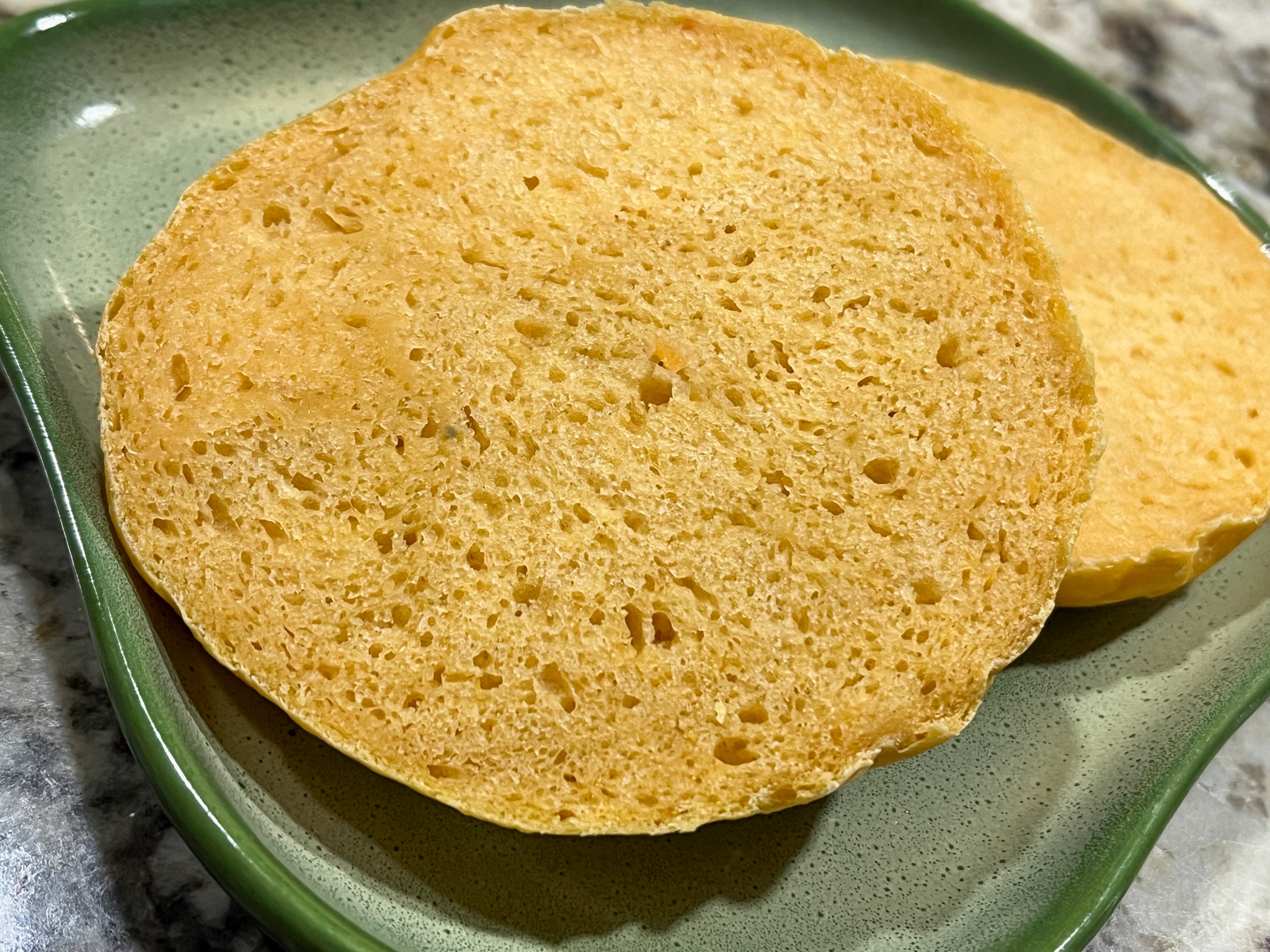
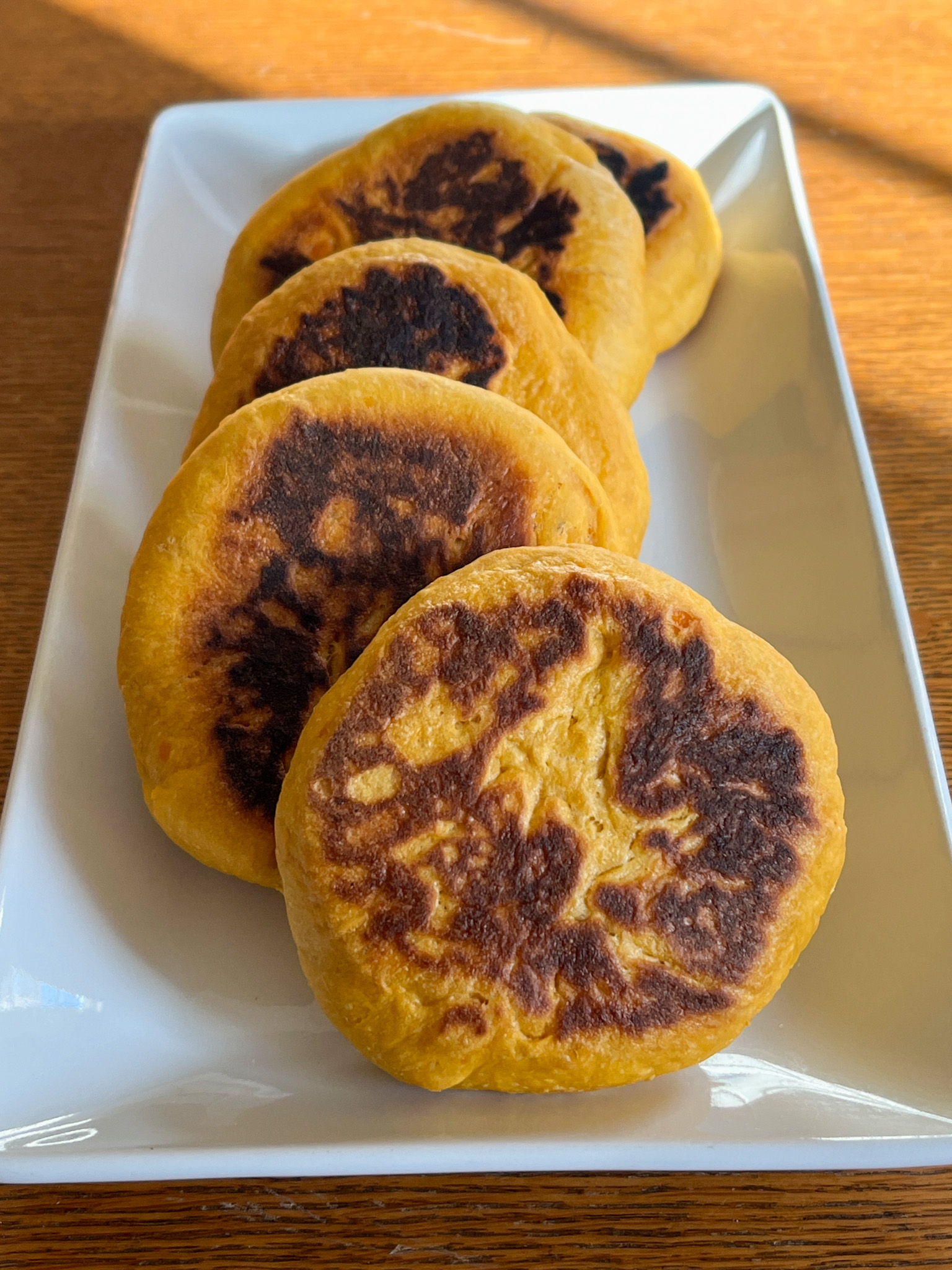
Think of an English muffin, but richer, more tender and with the most beautiful color offered by orange-fleshed sweet potatoes. Very easy to make and thanks to instant yeast, pretty quick to have at the table. Some recipes call for cooking it exclusively on a griddle, but I find it almost impossible to bake it fully without getting the surface too dark. I prefer to start them on a griddle and finish baking in the oven. They turn out much better this way.


BOLO DO CACO
(from The Bewitching Kitchen, adapted from several sources)

2 sweet potatoes (enough to have 250g cooked flesh)
2 tablespoons butter, softened
1 tablespoon honey
2 tsp instant yeast
1 tsp salt
400g bread flour (about 3 cups)
2/3 cup water (adjust depending on softness of the dough)

My favorite method to cook sweet potatoes is low and slow. Prick the potato skin with a fork and bake it at your favorite temperature until soft. Remove the skin and rice or cut the flesh in small pieces, measure 250g for this recipe. While warm, add to the bowl of a KitchenAid type processor and mix with the paddle attachment until soft. Add the butter, honey and salt, mix well. Allow it to cool until lukewarm. You can cook the potato in advance and reserve it.

Mix the yeast with the flour, add to the potato and work with the dough hook, adding water until a dough forms. It should not be dry, it is best if it clings a bit to the bottom of the bowl. Do not add all the water at once, go a bit at a time, as the moisture in potato might differ. 

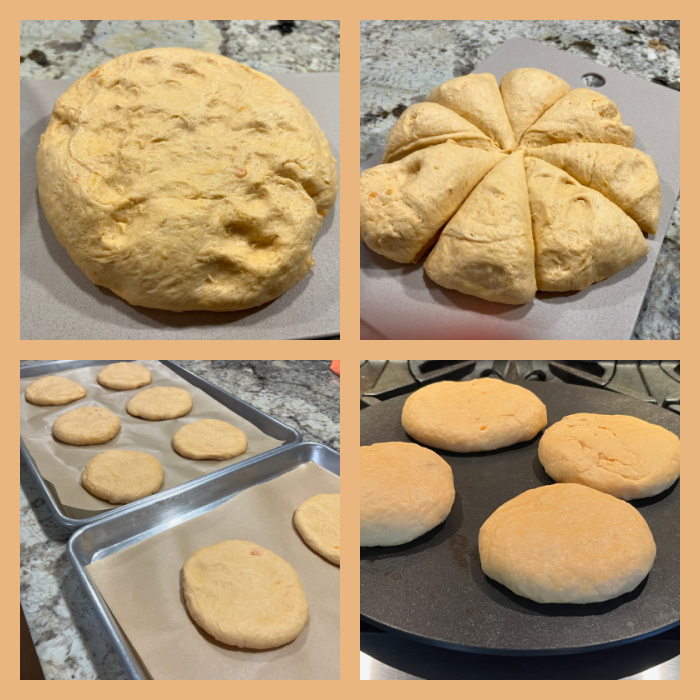
Transfer to a slightly oiled bowl, and let it rise at room temperature for 90 minutes. Cut the dough in 8 pieces, form each one into a ball, flatten it and place on a baking sheet lined with parchment paper. Cover with plastic wrap and let it rise for 30 minutes.

Heat oven to 375F.

Heat a griddle until water evaporates quickly on contact with the surface. Cook each side of the little buns for a couple of minutes, until a golden crust forms. Place them all in the oven for 20 minutes to finish baking. Internal temperature should reach 200-205F.

Place them on a rack to fully cool before slicing.

ENJOY!

to print the recipe, click here

Comments: I honestly don’t know how some recipes would advise to cook them on a griddle and call it a day. No way it would cook all the way through, unless you rolled them out super thin, but I believe they are better as “muffin” creatures, a bit on the plump side.

The crumb is very delicate, they have a slight sweetness, and go superbly well with some Roquefort cheese. Or many other tasty things you can think of. They also freeze well, I like to freeze slices in half as they will defrost quicker.

ONE YEAR AGO: Silikomart Raggio

TWO YEARS AGO: Cremino a la Nociolla

THREE YEARS AGO: Roasted Broccoli and Apple Salad with Tahini Dressing

FOUR YEARS AGO: A Different Kind of Cookie Swap

FIVE YEARS AGO: Scary Good Recipes for your next Halloween

SIX YEARS AGO: Pumpkin Sourdough

SEVEN YEARS AGO: First Monday Favorite

EIGHT YEARS AGO: Secret Recipe Club: Paalak Paneer, a Farewell Post

NINE YEARS AGO: In My Kitchen, November 2015

TEN YEARS AGO: Helen Fletcher’s Oatmeal Cookies

ELEVEN YEARS AGO: Thai-Style Pesto with Brown Rice Pasta

TWELVE YEARS AGO: Shrimp with Spicy Orange Sauce

THIRTEEN YEARS AGO:  A Simple Appetizer (Baked Ricotta)

FOURTEEN YEARS AGO: Sour Cream Sandwich Bread

FIFTEEN YEARS AGO: Pasta with Zucchini Strands and Shrimp

SEMOLINA SOURDOUGH

OCTOBER 16th
WORLD BREAD DAY!

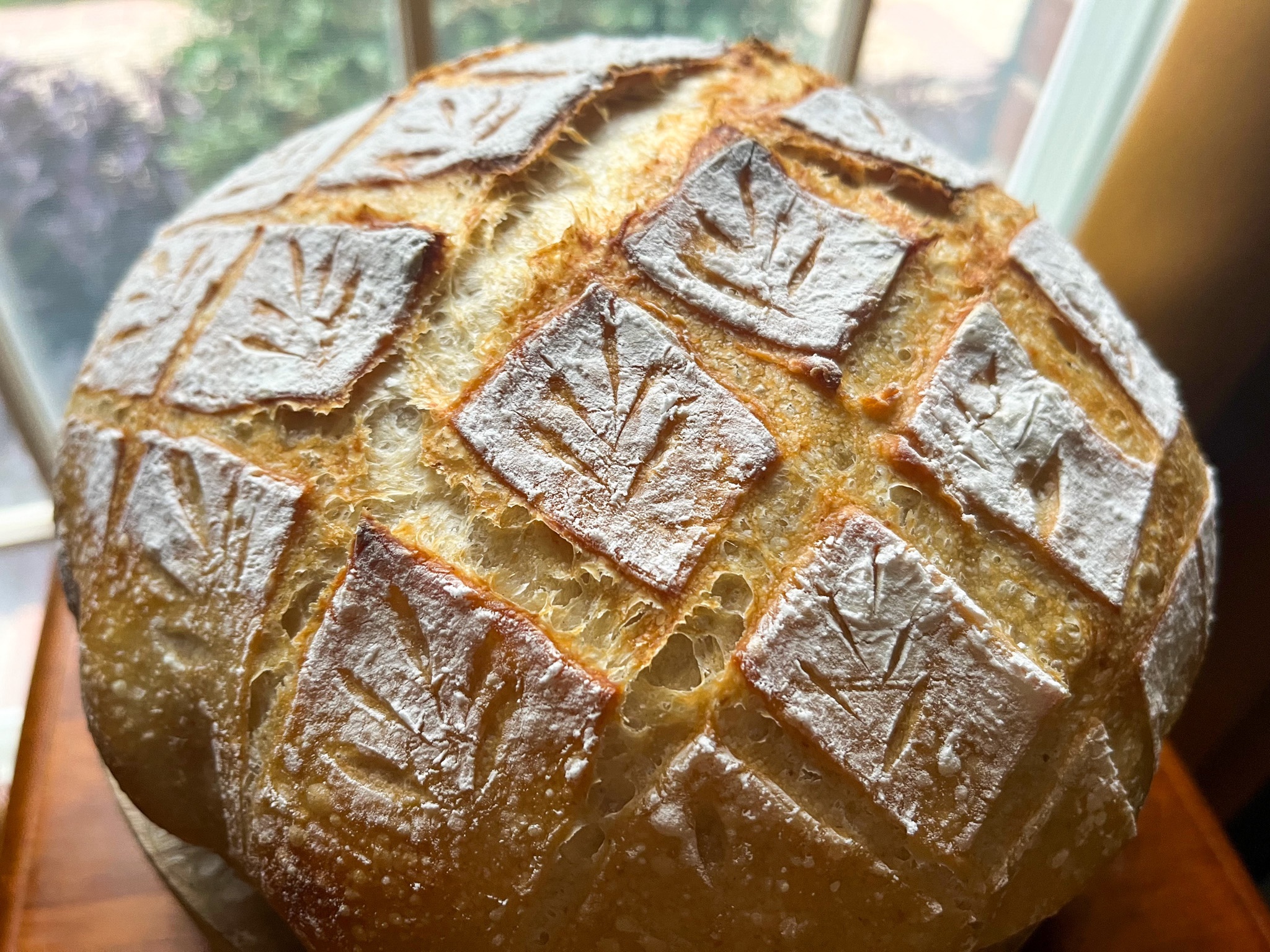
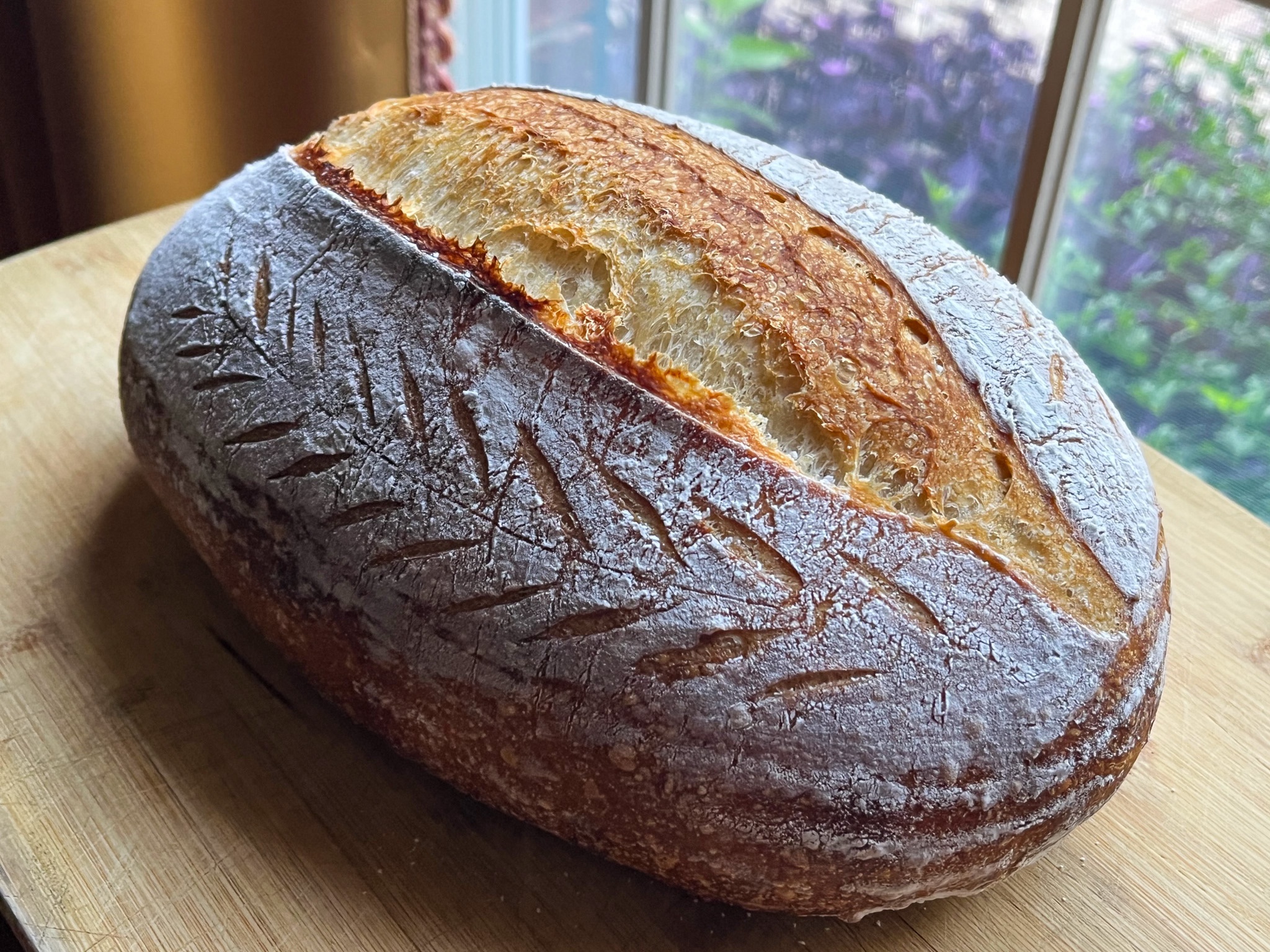
The key to this bread is to use fine semolina, I highly recommend this brand if you find it where you live, or if you don’t mind supporting the so-called Evil Empire aka amazon.com… The dough is soft, a pleasure to work with, the crumb develops a light yellow tone, and has great texture and taste. I am sold.

SEMOLINA SOURDOUGH
(from the Bewitching Kitchen)

300g white bread flour
225g fine semolina flour
355g water
50g sourdough starter at 100% hydration
9g salt

Mix all ingredients in the bowl or a KitchenAid type mixer fitted with the dough hook. Knead on low speed for about 4 minutes, adjust dough with flour is needed (I like to have it still glueing to the bottom of the bowl as it spins).

Transfer to an oiled bowl and ferment for 5.5 hours total. Perform a set of folds at 45 minutes intervals five times, which should take you about 3 hours and 45 minutes. Let the dough alone for the remainder of bulk fermentation. Shape as a batard, keep at room temperature for 1 hour and retard in the fridge.

Score and bake at 450F in a Dutch oven with the lid on for 30 minutes, remove the lid and bake for additional 15 to 20 minutes. Cool completely before slicing.

ENJOY!

to print the recipe, click here

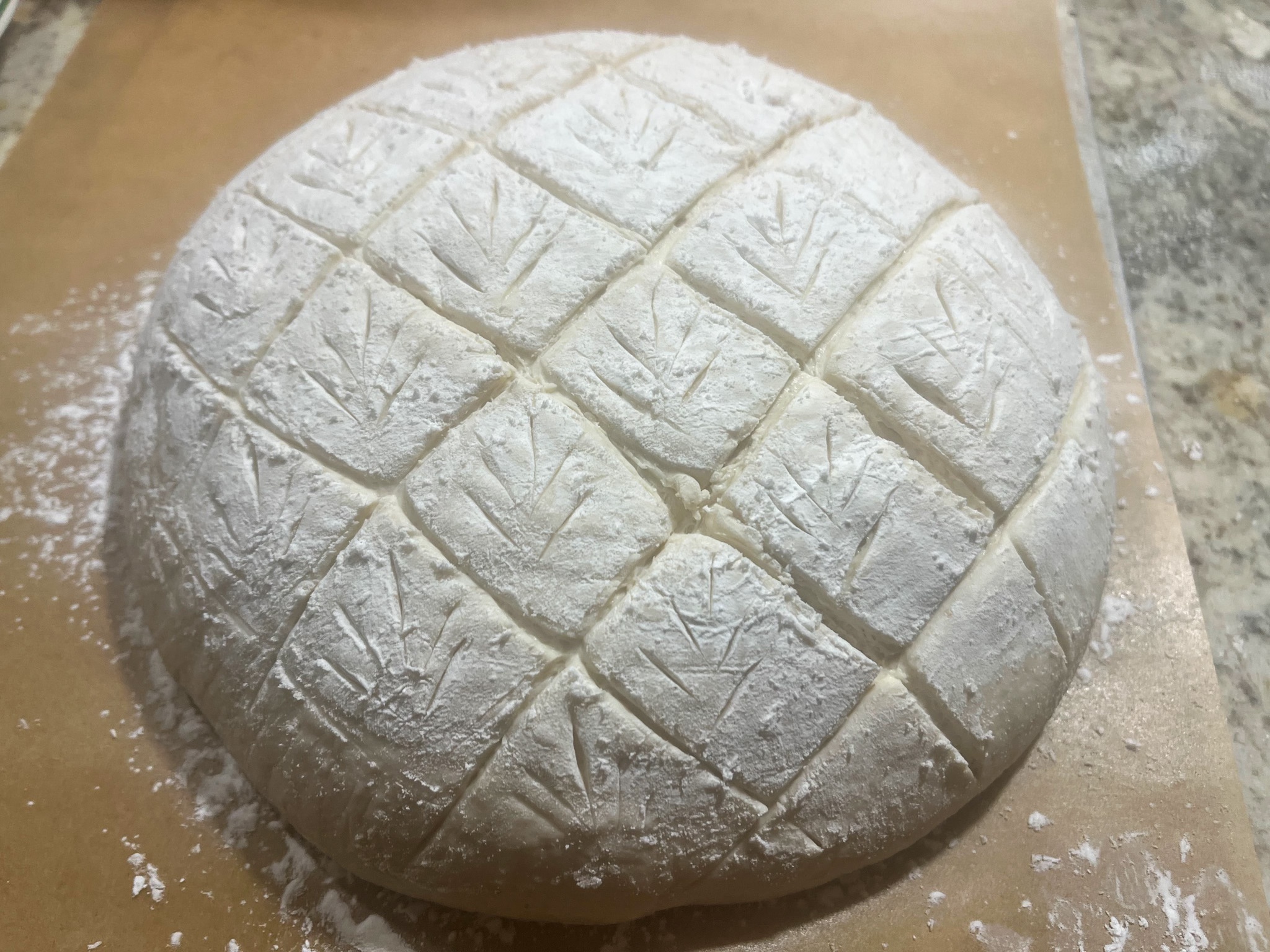
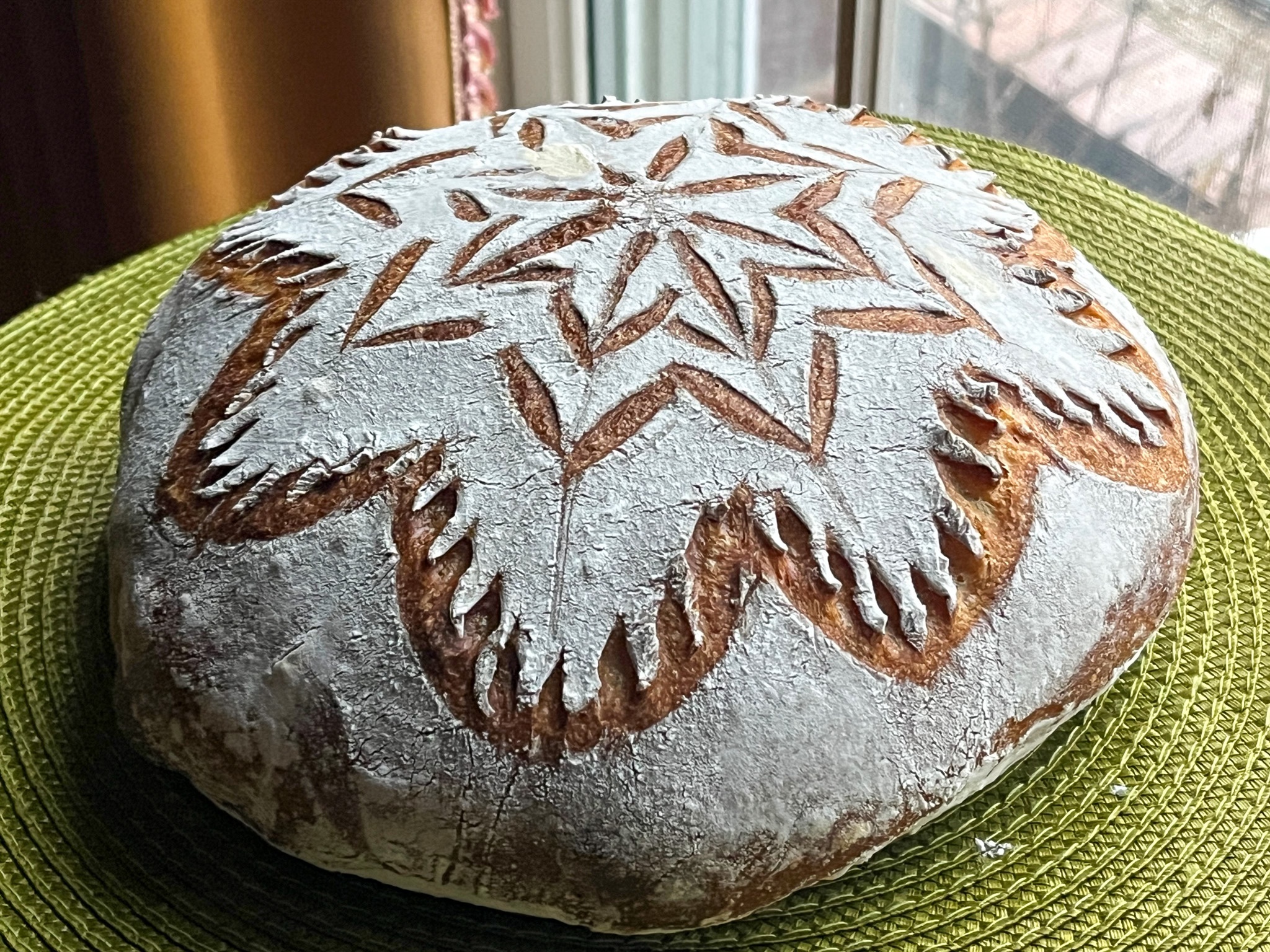
Comments: I used tapioca flour for the scoring because I like how it stays super white during baking, but you can use regular bread flour or rice flour if you don’t have tapioca. The central scoring was made with a razor blade in a series of V cuts and then I pulled the bottom part of the V shape and twisted backwards. The rest of the design was just razor blade and holes made with a chopstick.

I hope you give semolina sourdough a try, we absolutely loved this simple bread!

ONE YEAR AGO: Incredibly Simple, times three

TWO YEARS AGO: Chile Rellenos

THREE YEARS AGO: Vietnamese “Pizza”

FOUR YEARS AGO:  Chocolate Bonbons with Mango-Ganache Filling

FIVE YEARS AGO:  Giant Cookie Meets Mousse

SIX YEARS AGO: The Brazilian Battenberg

SEVEN YEARS AGO: Salzburg Sourdough

EIGHT YEARS AGO: If I had One Hour

NINE YEARS AGO: Apple Cinnamon Oatmeal Cake

TEN YEARS AGO: Sourdough Rye Bread with Flaxseeds and Oats

ELEVEN YEARS AGO: Apricot-Raspberry Sorbet: A farewell to Summer

TWELVE YEARS AGO: Marcela’s Salpicon

THIRTEEN YEARS AGO: Pork Kebabs

FOURTEEN YEARS AGO: Fondant au Chocolat

FIFTEEN YEARS AGOGot Spinach? Have a salad!

MJUKKAKA, A SWEDISH SOFT FLATBREAD

Totally in love, I must admit… Huge thank you to Mimi, a food blogger and friend I’ve been following and learning from for so many years! Check her detailed post about it clicking here. If you want to make the real authentic version, a special rolling pin is a must, but you can probably get by with a dough rolling docking gadget of even the tines of a fork. I have a tough time resisting gadgets, as you may have noticed, so I got one (amazon is your friend, I suppose).

MJUKKAKA
(from Chef Mimi’s blog)

2 cups bread flour plus an extra tablespoon or two if necessary and more for rolling the dough
3/4 cup barley flour
1 1/2 teaspoons instant yeast
1 teaspoon fine sea salt
1 teaspoon granulated sugar
1 cup water room temperature
1/4 cup plain whole-milk Greek yogurt
1 tablespoon canola oil plus more for oiling the bowl and cooking the flatbreads
2 tablespoons unsalted butter, melted
Flaky sea salt for sprinkling

Whisk bread flour, barley flour, yeast, salt and sugar together by hand in the bowl of a stand mixer. Add water, yogurt and 1 tablespoon oil to the dry ingredients.

Fit a stand mixer with the dough hook and begin mixing at medium-low speed until dough just comes together. Increase mixer speed to medium and knead dough for three minutes. If dough is sticking to the sides or the bottom after the first 3 minutes of kneading, add an additional tablespoon of bread flour before continuing the kneading process. Continue kneading at medium speed until the dough is tacky but not sticky and clears the bottom and sides of the bowl, approximately 2-3 more minutes. Add an additional tablespoon or two of bread flour if dough continues to stick to the sides or bottom of the bowl during the kneading process.

Transfer the dough to an oiled bowl. Cover and let rise for an hour at room temperature or until doubled in size. Transfer dough to a clean countertop and divide into 8 equal pieces, about 80 g each. Roll each piece into a rough ball. Cover with plastic wrap.

Working with one piece of dough at a time, use a rolling pin to create a thin circular flatbread (like a thin tortilla). If the dough sticks to the rolling pin, sprinkle a little flour on top. It’s okay if the dough is sticking to the work surface. Finish by rolling the flatbread a couple of times with a deep notched rolling pin. Brush off any excess flour from the top of the dough.


Using a dough scraper and your fingers, gently release the flatbread from the countertop. Add to a skillet with a little oil heated over medium heat. Cook the first side for 1 to 2 minutes, flip and cook the second side. Remove the flatbread from the skillet and transfer to a plate. Brush lightly with melted butter and sprinkle with coarse salt, if so desired (I omitted the butter).

Repeat the process with the remaining portions of dough. Eat immediately or wrap tightly and freeze once the flatbreads have cooled to room temperature

ENJOY!

to print the recipe, click here

Comments: I love the pattern that the rolling pin makes on the dough, and also how it prevents the bread from puffing too much during cooking. I used a dosa flat pan to cook it over the stove, but you can use cast iron and probably a griddle might work too. As to oiling the pan, what worked better for me was brushing oil right on the bread after rolling and brushing the excess flour off. I used a silicone brush and added a very light coating. I did not add more oil to the other side before flipping the bread, it was not necessary.

We had it for a weeknight dinner with several different goodies: smoked salmon with yogurt dill dipping sauce, ham, prosciutto, mortadella, mustard, hummus… It was simple and fun at the same time. I placed all flatbreads wrapped in foil in a very low oven (used our Breville small oven for that), and the bread stayed soft and warm through the whole meal. We did not bother slathering the bread with butter, but feel free to do so.

This one is definitely going into our rotation, and I hope you will give this recipe a try. Thank you so much, Mimi!

ONE YEAR AGO: Polka Dot Love Sourdough

TWO YEARS AGO: Plum Sorbet

THREE YEARS AGO: Grilled Chicken with Sesame Roasted Carrots

FOUR YEARS AGO: Let’s Get Spooky!

FIVE YEARS AGO: Miso and Sesame Roast Chicken with Revelation Quinoa

SIX YEARS AGO: Incredibly Simple Times Four

SEVEN YEARS AGO: Parsnip, Coconut and Lemongrass Soup

EIGHT YEARS AGO: In My Kitchen, October 2016

NINE YEARS AGO: Paleo Moussaka

TEN YEARS AGO: In My Kitchen, October 2014

ELEVEN YEARS AGO: In My Kitchen, October 2013

TWELVE YEARS AGO: Bourbon and Molasses Glazed Pork Tenderloin

THIRTEEN YEARS AGO: Crimson and Cream Turkey Chili

FOURTEEN YEARS AGO: Taking a break from the nano-kitchen

FIFTEEN YEARS AGO: Chocolate Chip Cookies

LA COURONNE LYONNAISE, TWO WAYS

This bread originates in Lyon, and is shaped as a crown, therefore the name “couronne”. However, there are several ways to gild this lily. I am sharing two methods, the first one worked exactly the way I hoped, the second I consider a work in progress. So, yes, I will be back, hopefully with improvements on the second version…

.

METHOD ONE
A SIMPLE COURONNE


LA COURONNE LYONNAISE
(adapted from Henri-Luc’s blog)

530g bread flour
10g salt
160g sourdough starter at 100% hydratioin
300g water
rye flour for dusting

Mix sourdough starter in water and whisk to distribute well. Add bread flour and salt, incorporate either by hand or with a KitchenAid type mixer fitted with a hook dough for a few minutes. Proof at room temperature for 4 to 5 hours with folds at every 45 minutes.

Prepare your round banetton to proof a crown, by placing a small glass or plastic container in the center. Cover with a cloth and flour it lightly with rye flour.

Pre-shape the dough as a round ball. Allow it to relax for 15 minutes. Make a hole in the center (traditionally bakers use their elbow, do what you feel is right…). Enlarge the whole until you get to the size of your round banetton. Now grab some rye flour with your fingers and pinch a series of alternating straight lines on the surface. Pinch the dough well to make a super sharp line of dough raising up. Then flour the surface lightly again and invert the dough on the banetton. Side with the ridges should go down. Proof at room temperature for 2 hours. Place a parchment paper on top, invert the bread over it and slide into the hot oven right away.

Bake at 450F over a stone with steam for 20 minutes, then remove the steam (I used a large roasting pan inverted over the stone as a lid). Bake for 20 to 25 minutes longer. If the bread darkens too much cover it with foil. Internal temperature should be around 210F.

Cool completely before slicing.

ENJOY!

to print the recipe, click here

Comments: This was such a fun bread baking adventure! I loved making the ridges and the way they gave the bread that incredibly nice rustic look once it baked. Make sure to use rye flour to dust the surface, it is going to make a big difference if you skip it. White flour won’t have the same effect.

.

METHOD TWO
COURONNE WITH FLAPS

The flaps were a big flop. What can I say? The real beautiful version would have them all lifted up from the surface of the bread, mine stayed more or less glued to the surface. This was my second attempt, the first one was worse, so you won’t be seeing that (wink, wink). The shaping is quite a bit more elaborate. You form pieces of dough that are about 200g in weight, then roll a flap coming out of it, and roll the ball into it. Place to proof with the flap down, open side to the edge of the banetton. Before closing the flap over the ball of dough, a little olive oil is used to brush the edge, so the dough won’t stick and will instead lift during baking. Pictures below give you a general idea of the shaping method.

I had several issues, including the fact that 200g per ball of dough was probably too much. I will revise the whole thing and try again, because I really REALLY want to make it work right. I love the stencil decoration made right before baking (I will share info on the stencil and banetton in my upcoming In My Kitchen post, on October 1st).

I hope you enjoyed this post, and maybe you can give this method a try. If you get your flaps not to flop, let me know your secret!

ONE YEAR AGO: Have a Heart

TWO YEARS AGO: Chocolate-Hazelnut Tartlets

THREE YEARS AGO: Turkey Taco Salad

FOUR YEARS AGO: Cheese and Pesto Emmer Roll-ups and Elaine’s Cookbook Review

FIVE YEARS AGO: Mango-Hazelnut Entremet Cake

SIX YEARS AGO: Lebanese Lentil Salad and a Cookbook Review

SEVEN YEARS AGO: Cottage Loaf

EIGHT YEARS AGO: Sourdough Loaf with Cranberries and Walnuts

NINE YEARS AGO: Sichuan Pork Stir-Fry in Garlic Sauce

TEN YEARS AGO: Our Green Trip to Colorado

ELEVEN YEARS AGO: Ditalini Pasta Salad

TWELVE YEARS AGO: Celebrate Wednesday with a Thai Seafood Curry

THIRTEEN YEARS AGO:  Post-workout Breakfast

FOURTEEN YEARS AGO: Semolina Barbecue Buns

FIFTEEN YEARS AGO: Lavash Crackers