TIGER SHRIMP IN CHILI SAUCE

Tiger Cookies, Tiger Shrimp. Both very appropriate for this time of the year, don’t you agree? This is a super simple and quick recipe, with intense flavors. Contrary to most Chinese-inspired stir-fries, this one does not take any thickening agent like cornstarch, so don’t expect that kind of a sauce with some texture and body. We loved it this way, it felt lighter and without any compromise in flavor, quite the contrary. It seems that without any cloying sauce, the spices spoke louder.
TIGER SHRIMP IN CHILI SAUCE
(adapted from The Woks of Life)

1 pound jumbo tiger shrimp (or another type of jumbo size shrimp, peeled and de-veined)
1 tablespoon tomato paste
2 tablespoons ketchup
2 tablespoons chili garlic sauce
1/2 teaspoon salt
1/4 teaspoon Szechuan peppercorns, smashed
1/2 teaspoon sesame oil
3 tablespoons vegetable oil
1 teaspoon ginger (minced)
1 shallot, minced
1 tablespoon Shaoxing wine (or dry Sherry)
1/3 cup water (you may not use it all)
cilantro leaves

Rinse the shrimp under running water and pat dry with a paper towel.

Make the sauce by mixing the tomato paste, ketchup, chili garlic sauce, salt, pepper and sesame oil in a medium bowl.

Heat the oil in your wok until smoking hot. Fry the shrimp on both sides for 30 seconds each side. Remove the shrimp from the wok and set aside on a plate. Lower the heat to medium-low, add the ginger and shallots. Sautee for a couple of minutes, add the sauce, Shaoxing wine, cook stirring for a minute. Add half the water, let everything simmer together for another minute, add the shrimp and cook gently in the sauce until just cooked through. If needed, add the rest of the water. Add the fresh cilantro and serve over white rice with a favorite side dish.

ENJOY!

to print the recipe, click here
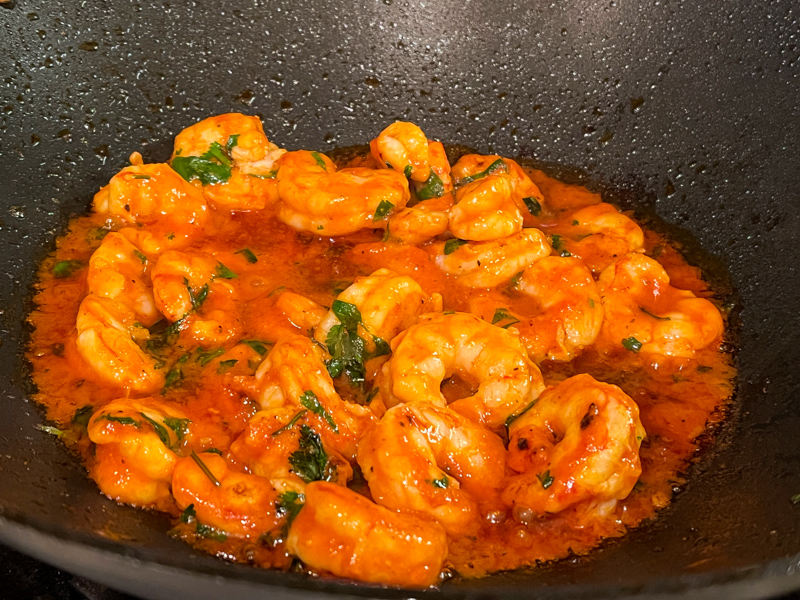
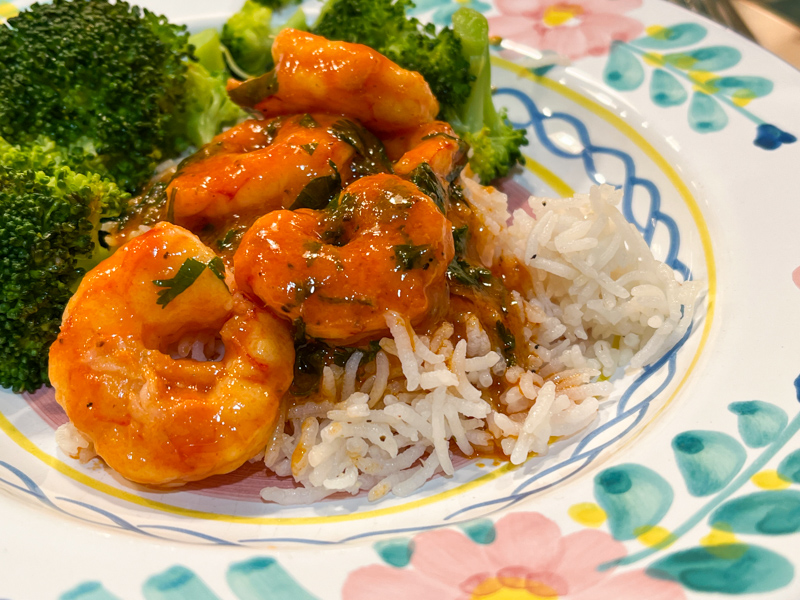
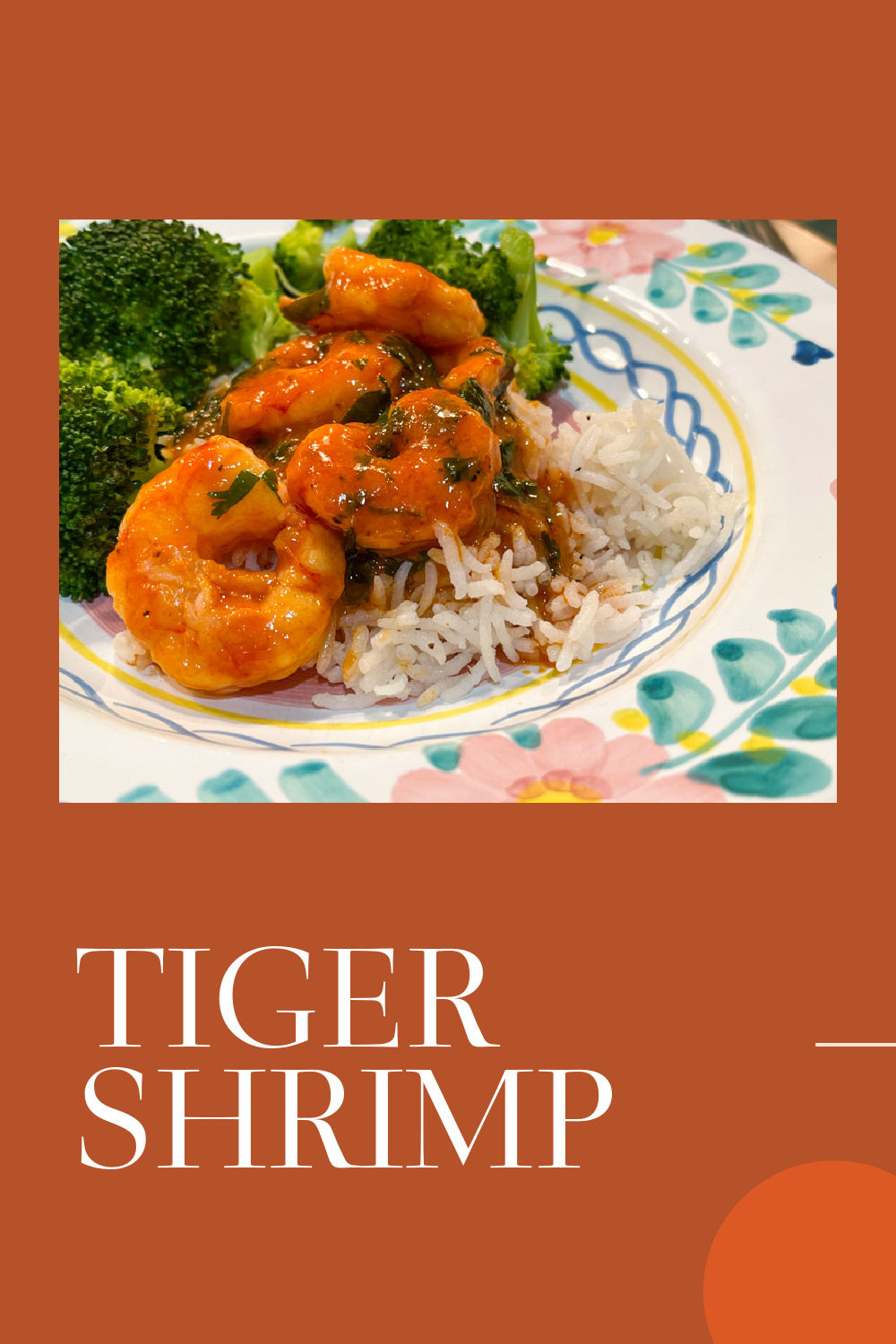
Comments: This was a super vibrant dish, and it is hard to find a simpler and faster way to have dinner at the table. Cooking the rice to go along took a lot longer… We enjoyed it with broccoli, prepared in one of my favorite ways (check it out here) because it is also super quick and very tasty. This one goes into our rotation, for sure! I hope you’ll give it a try…
ONE YEAR AGO: Tangzhong Hamburger Buns

TWO YEARS AGO: Potato Soup with Spicy Shrimp

THREE YEARS AGO: Rose-Harissa Chicken Thighs

FOUR YEARS AGO: Caramel-Chocolate Tartlets

FIVE YEARS AGO: Chicken Korma-ish

SIX YEARS AGO: Sunday Gravy with Braciola

SEVEN YEAR AGO: In My Kitchen, February 2015

EIGHT YEARS AGO: Avocado and Orange Salad with Charred Jalapeno Dressing

NINE YEARS AGO: Green Olive, Walnuts and Pomegranate Salad

TEN YEARS AGO: Romanian Flatbreads

ELEVEN YEARS AGO: Ziti with Artichokes and Meyer Lemon Sauce

TWELVE YEARS AGO: Blasted Broccoli, Stove-top version

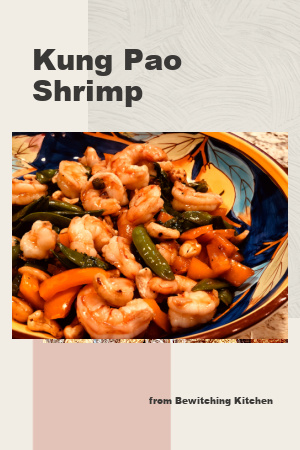
SHRIMP STIR-FRY, KUNG PAO-INSPIRED

This is not authentic Chinese cooking. It is my version of a stir-fry, inspired by a classic. By definition, Kung Pao is a stir-fry served with spicy sauce, and sprinkled with peanuts. So I guess I am reasonably safe with my concoction. The inclusion of sugar snap peas adds extra veggies that make the whole thing more satisfying to me. Tune the spices to your comfort level, but please make sure to include Szechuan peppercorns. You cannot get the same type of heat from any other pepper.

KUNG PAO-INSPIRED SHRIMP
(from the Bewitching Kitchen)

2 tablespoons canola oil, divided
1 tsp Szechuan peppercorns, lightly crushed
1/3 cup roasted cashews
1 pounds large shrimp, peeled and deveined
1 yellow bell pepper, cut in large slices
sugar snap peas, amount to taste, around 6 oz
salt to taste
1/4 cup oyster sauce
1 tablespoons sambal oelek
1 teaspoon cornstarch dissolved in 1/4 cup cold water
drizzle of sesame oil

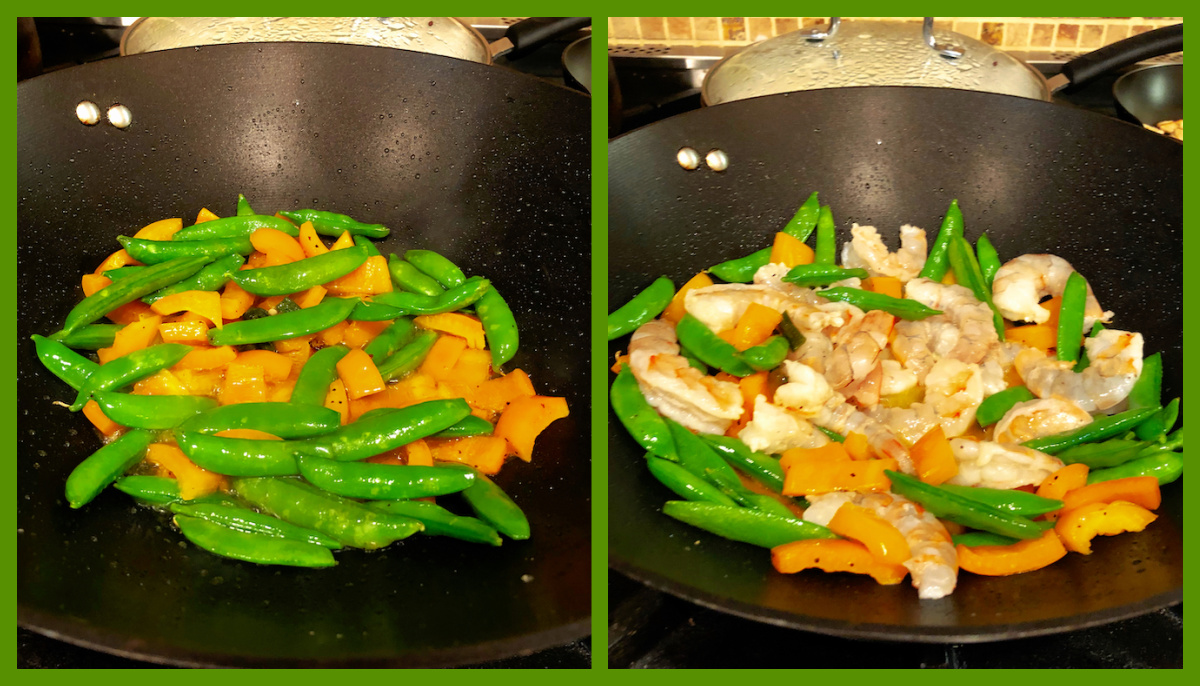
Heat a large saute pan over high heat for about 1 minute. When you see the first wisps of white smoke, swirl in one tablespoon of the vegetable oil, then add the peppercorns and sautee for a few seconds. Add the cashews, bell pepper and sugar snap peas. Season lightly with salt. Stir fry for a few minutes, remove from the pan, reserve.

Add another tablespoon of oil to the pan, when very hot add the shrimp and stir fry until it starts to get cooked through. Return the vegetables and cashews to the pan, add the oyster sauce and sambal. Stir for a minute or so, pour in the cornstarch/water. Let everything come to a boil, cook until fragrant and luscious. Adjust seasoning. Serve over white rice if you like.

ENJOY!

to print the recipe, click here

Comments: This was a great simple dish to prepare after an intense day of work. After more than a decade without facing a classroom, I am teaching college students and let’s say the stress level goes up a bit. It is nice to have a meal that does not require too much time and too much effort. Stir-fry to the rescue!

Adjust the spice level to your liking, if you are feeling brave get some habaneros to the party… I always flirt with the habanero idea, but never go for it. I guess my Dad would be disappointed.

ONE YEAR AGO: Cauliflower Steaks with Olives and Caper Salsa

TWO YEARS AGO: Twice-Cooked Eggplant

THREE YEARS AGO:  Turkey Burger, Japanese-Style

FOUR YEARS AGO: Pumpkin Macarons

FIVE YEARS AGO: Slow-Cooked Whole Chicken

SIX YEARS AGO: Chocolate Zucchini Cake with Chocolate Frosting

SEVEN YEARS AGO: Pecan-Crusted Chicken with Honey-Mustard Dressing

EIGHT YEARS AGO: Bewitching Kitchen on Fire!

NINE YEARS AGO: Cashew Chicken Lettuce Wraps

TEN YEARS AGO: Chiarello’s Chicken Cacciatore

ELEVEN YEARS AGO: Donna Hay’s Thai-Inspired Dinner

TWELVE YEARS AGO: Panettone

KUNG PAO CHICKEN

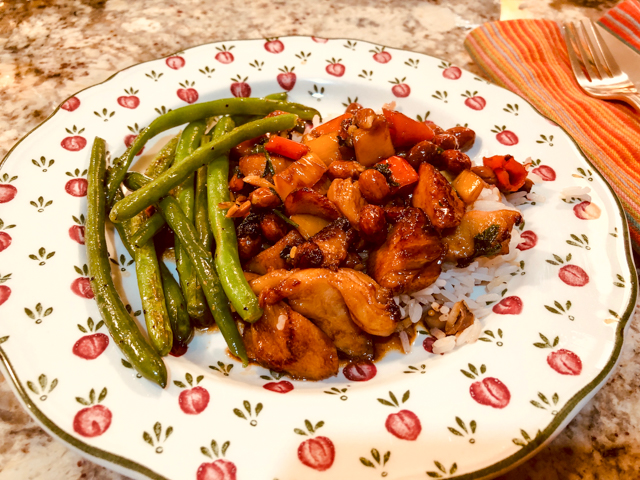
George likes his chicken spicy!

We like ours spicy too, but the beautiful thing about Kung Pao is that you can tame it to your favorite degree of heat by playing with the type of peppers you add, or reducing the amount of its most important ingredient: Szechuan peppercorns. Daredevils out there, pair Szechuan with Habaneros! Just make sure to have the firemen on speed dial…

KUNG PAO CHICKEN
(from the Bewitching Kitchen)

to marinate the chicken:
3 boneless/skinless chicken breast cut into 1 inch cubes
1 tablespoon dry sherry
1 tablespoon light soy sauce
2 teaspoons baking soda
1 teaspoon cornstarch

for the sauce:
1/2 cup chicken stock
1/3 cup soy sauce
2 tablespoons balsamic vinegar
2 tablespoon dry sherry
3 tsp hoisin sauce
1 tablespoons sugar
1 teaspoon cornstarch

for the stir-fry:
4 tablespoons peanut oil, divided
1 tablespoon minced ginger
1/2 red bell pepper seeded and diced
1/2 yellow or orange bell pepper seeded and diced
1 Serrano pepper, seeded and finely minced (or another hot pepper of your choice)
1 tablespoon (or to taste) Sichuan peppercorns, coarsely ground
1/2 cup roasted/unsalted peanuts
2 teaspoons sesame oil

Combine all ingredients for the chicken in a shallow bowl; cover and marinate for 30 minutes.
Whisk sauce ingredients together and set aside. Heat a large skillet or wok over high heat. Add 2 tablespoons peanut oil, allow to heat up, then add marinated chicken. Stir-fry chicken for a few minutes, until edges are browned, which will happen reasonably quickly because of the baking soda. Remove from the pan and set aside.

Add remaining cooking oil to the pan, stir in ginger, bell peppers, and Sichuan peppercorns and stir fry for a couple of minutes. Pour the reserved sauce into the pan and bring it to a boil. Add the chicken pieces, and heat everything together for a couple more minutes. Add the peanuts, sesame oil, and serve over rice.

ENJOY!

to print the recipe, click here

Comments: Szechuan peppers are quite special. They have a numbing effect, quite different from any other pepper and they are pretty much mandatory in a Kung Pao. I used a mortar and pestle to grind it, some recipes tell you to toast them lightly before grinding, but I used them fresh from the bag.

Marinating the chicken with the baking soda for 30 minutes is a quicker version of velveting, and worked pretty nicely, the meat developed that texture we all love in Chinese cooking. A little white rice, some green beans and all of a sudden we realized that Kung Pao is a nice antidote for the Polar Vortex.

ONE YEAR AGO: Galette de Rois

TWO YEARS AGO: Sous-Vide Overnight Oatmeal

THREE YEARS AGO: A Valentine’s Day Opera

FOUR YEARS AGO: Incredibly Simple Times Four

FIVE YEARS AGO: Walnut-Cranberry Sourdough Bread

SIX YEARS AGO: Ottolenghi in Brazil?

SEVEN YEARS AGO: Roasted Winter Vegetables with Miso-Lime Dressing

EIGHT YEARS AGO: 2012 Fitness Report: P90X2

NINE YEARS AGO: Caramelized Bananas

TEN YEARS AGO: Roasted Lemon Vinaigrette

ELEVEN YEARS AGO: Whole Wheat Bread

KUNG PAO CHICKEN
(adapted from

BEEF AND BROCCOLI STIR-FRY

This  classic Chinese dish is often abused beyond belief.  It is easy to overcook the broccoli, turning the florets into a mushy version of their beautiful self, and at the same time producing beef that has the wrong texture.  The real thing is like velvet in your mouth, with a crisp, bright green broccoli giving the perfect counterpoint to the beef.  No excessive, cloyingly sweet sauce.  When properly prepared, this is a fantastic recipe that will please everyone – except the broccoli haters out there – but they might make an exception in this case. 😉

BEEF AND BROCCOLI STIR-FRY
(adapted from Jaden Hair’s guest post at Simply Recipes)

1 pound flank steak or sirloin, sliced thinly across the grain
1 pound broccoli florets
2 tablespoons grape seed oil
1 yellow bell pepper, seeded, cut in slices
1 clove garlic, very finely minced
1 teaspoon cornstarch, dissolved in 1 tablespoon water

For the beef marinade
1 teaspoon soy sauce
1 teaspoon Chinese rice wine (or dry sherry)
1/2 teaspoon cornstarch
freshly ground black pepper

for the sauce
2 tablespoons oyster sauce
1 teaspoon Chinese rice wine (or dry sherry)
1 tablespoon soy sauce
1/4 cup chicken broth (or water)

Start by marinating the beef: mix all ingredients in a bowl, add the pieces of beef and stir to coat the slices. Let it stand for 10 minutes, while you prepare the sauce and blanch the broccoli.

Make the sauce by mixing the oyster sauce, rice wine (or sherry), soy sauce, and chicken stock (or water) in a small bowl. Reserve.  Place the broccoli in boiling salted water for 2 minutes. Drain very well and reserve.

Now, the fun begins:  heat a large frying pan or wok over high heat until a bead of water sizzles and instantly evaporates upon contact. Add the cooking oil and swirl to coat. Add the yellow bell pepper and cook it for a couple of minutes until it begins to soften. Remove  and reserve.  Make sure the pan is again very hot, and add the slices of beef, spreading them out all over the surface of the wok or pan in a single layer (preferably not touching). Let the beef fry undisturbed for 1 minute. Flip the beef slices over, add the garlic and reserved bell pepper to the pan and fry for an additional 30 seconds to 1 minute until the beef is cooked through.

Pour in the sauce, add the blanched broccoli and bring to a boil. Pour in the dissolved cornstarch and cook, stirring, until the sauce boils and thickens, 30 seconds.

ENJOY!

to print the recipe, click here

This dish highlights well how a couple of extra-steps that might seem like a waste of time and energy make a world of difference in the final product. If you skip the beef marinade and blanching the broccoli, it simply won’t be the same.  The original recipe does not call for yellow bell pepper, but I wanted to add a bit more color. You can certainly omit it. This is a great dish for weeknights, all you’ll need is some steamed white rice.  Meat, veggies, carbs, all there in perfect harmony: the omnivore’s dream!

If you are fond of Asian recipes, make sure to stop by Jaden’s blog, The Steamy Kitchen, and consider getting her cookbook, I have it and love it!

ONE YEAR AGO: Wheat Germ and Sage Sourdough Bread

TWO YEARS AGO: Popeye-Pleasing Salad

THREE YEARS AGO: Summer’s Finale (Watermelon Granita)

TAKING A BREAK FROM THE NANO-KITCHEN

We flew back home this week to spend a few days in our own town.  I’m in a state of shock, all of a sudden realizing how much space we have. Here we could cook together while dancing, whereas in L.A. we are in a territorial-mode: I even growled at my beloved the other day because he insisted on opening the fridge while I did the dishes. The nerve!

I looked forward to cooking in our home, on a stove with four burners and real flames above an oven that can roast a couple of chubby turkeys side by side. Of course, deciding what to cook for our first dinner was excruciating. After an extensive consultation  with 9 cookbooks, I chose a recipe from Barbara Tropp: Chinese cooking at its best…

CAPITAL SAUCE PORK RIBBONS OVER POT-BROWNED NOODLES
(adapted from Barbara Tropp Modern Art of Chinese Cooking)

1 pound boneless pork loin

to marinate the meat:
2 T soy sauce
2 T Chinese rice wine
1 T water
4 t cornstarch
½ tsp sugar
1/4 tsp sesame oil
6 scallions

Sauce ingredients
3 T hoisin sauce
2 T Chinese rice wine
1.5 T soy sauce
5 t sugar
½ t sesame oil

2 T peanut oil

For the noodles:
½ pound long Chinese thin egg noodles
1 tsp sesame oil
1 tsp salt
6 T peanut oil

Cut the pork into thin slices 1/8 inch thick (against the grain). Cut each slice into ribbons, flattening them slightly with a meat mallet.

In a large bowl, mix the soy sauce, rice wine, water, cornstarch, sugar and sesame oil until thoroughly blended, then add the pork slices and allow to marinade for 1-3 hours at room temperature or overnight in the fridge. Drain well before stir-frying.

Cut the scallions into 2-inch pieces, trimming off the root ends. In a small bowl, mix the hoisin sauce, rice wine, soy, sugar, and sesame oil , stir well to dissolve everything.

Add 2 T of peanut oil to a very hot wok, swirl to coat the pan, add the pork slices and stir fry until opaque. Add the sauce ingredients and continue cooking until the pork is cooked through, then add the scallions and reserve until the noodles are ready.

Preparing the noodles:
Boil the noodles until cooked, but not mushy. Drain, then run through cold water until fully cooled. Shake off excess water and lay the cooked noodles over a dish cloth, blotting it out of excessive moisture. Transfer to a bowl, adding the sesame oil to coat the strands (the noodles can be kept cold at this stage for up to 2 days).

Heat a 12 inch skillet over high heat, add 5 T oil, and heat until a strand of noodle sizzles if gently dropped on the pan. Coil the noodles evenly on the hot pan, starting at the edges, and working your way through the center. Press them with a spatula, cover the pan, then cook until the bottom is browned (5-7 minutes).

Loosen the browned noodles, slip them out of the pan, transfer to a serving platter. Mound the pork on top of the noodles, and serve immediately.

ENJOY!

to print the recipe, click here

Comments: Barbara’s original recipe calls for deep frying the pork before the final stir-fry. I have done this “oil velveting” in the past, but this time I simplified it and cooked the pork all the way through in the wok. The main reason: we are home for just a few days, I didn’t want to deal with the leftover oil.   Is there a loss of quality in the final dish? In all honesty, yes. Velveting does wonders to improve the texture of stir-fries (as I mentioned before here), so if you can do it, follow her advice and deep fry the pork for a minute, remove it from the oil, drain it well, and add it to the wok AFTER you add the sauce and heat it up.

This is not a light recipe – obviously, any time you brown noodles on a frying pan, their calories will be multiplied by a factor of 2. However, sometimes it is good to indulge, so enjoy it without guilt, and cut back on excesses for a couple of days. 😉

Note to self:  try the “water-velveting method” in this recipe.

ONE YEAR AGO: Chocolate Chip Cookies

Add to FacebookAdd to DiggAdd to Del.icio.usAdd to StumbleuponAdd to RedditAdd to BlinklistAdd to TwitterAdd to TechnoratiAdd to Yahoo BuzzAdd to Newsvine