LEMON ALMOND CAKE WITH CRANBERRY GLAZE

Fifteen years ago, if you arrived in our place anytime during the weekend, chances are the FoodTV would be on. Great selection of wonderful shows, a lot to learn in a very entertaining way. Not the case anymore. Even my favorite show, The Kitchen – which I still watch every Saturday – caters more and more to grocery store shortcuts, in a kind of indirect advertisement that irritates me. I am 99% sure Chef Geoffrey Zakarian does not fall for the stuff promoted in the show. It was not the case in the beginning, but obviously money speaks loud. Why do I still tune in? I like those four people together, they have a nice chemistry going on, and every once in a while I find a gem of a recipe (like Jeff Mauro’s eggplant parmigiana). But coming back to what matters, there is one show on the Food Network I like a lot: Girl Meets Farm, with Molly Yeh, a beautiful, super energetic and fun-loving girl who cooks pretty eclectic food, influenced by her Chinese and Jewish backgrounds.  And, she loves to bake. From scratch. No cake mixes and shortcuts. There you go. This delicious example came straight from one episode I watched last year. You know, back in 2018.

LEMON ALMOND CAKE WITH CRANBERRY GLAZE
(slightly modified from Girl Meets Farm)

for the cake:
1 + 1/2 cups all-purpose flour (180 g)
1/2 cup almond flour (48 g)
1 tablespoon poppy seeds
1 teaspoon baking powder
1/2 teaspoon kosher salt
1/4 teaspoon baking soda
Zest of 1 lemon
3/4 cup whole-milk Greek yogurt (185 g)
1/4 cup fresh lemon juice (from 1 to 2 lemons)
1 + 1/4 cups granulated sugar (250 g)
3/4 cup extra-virgin olive oil (about 160 g)
2 large eggs
1/2 teaspoon almond extract

for the glaze:
1/2 cup (50 grams) fresh or frozen cranberries
1 cup powdered sugar, plus more if necessary
Pinch kosher salt
sprinkles to decorate (optional)

Heat the oven to 350 degrees F. Spray a 9-inch round cake pan with cooking spray and line with parchment paper. I used a Silikomart mold called Water Drop, and 4 small cupcake type molds.

Whisk together the flour, almond flour, poppy seeds, baking powder, salt, baking soda and zest in a medium bowl. Mix the yogurt and lemon juice in a separate small bowl until very smooth. Whisk together the granulated sugar and olive oil in a large bowl until well combined. Add the eggs to the olive oil mixture, one at a time, whisking very well after each, then stir in the almond extract. Add the dry ingredients and yogurt mixture to the olive oil mixture in three alternating additions, whisking after each until just combined. Pour the batter into the prepared pan(s) and bake until a toothpick inserted in the center comes out clean, 35 to 45 minutes. Let cool in the pan for 10 minutes, then turn out onto to a wire rack to cool completely.

For the cranberry glaze: Combine the cranberries with 1 tablespoon water in a small saucepan and heat over low heat until the cranberries start to break down and release their juices, 5 to 10 minutes. Pour the cranberries and their juices into a fine-mesh sieve placed over a bowl. Press the mixture through the sieve with a spatula, making sure to scrape off the bottom of the sieve and adding that to the bowl as well. Add the powdered sugar and salt to the bowl and mix until it comes together into a spreadable glaze.  If the glaze is too thick, add a couple drops of water until it’s thin enough to spread. If it’s too thin, add more powdered sugar. Pour over the cooled cake.

Decorate with sprinkles or slivered almonds, if you like.

ENJOY!

to print the recipe, click here
Comments: This is a recipe for cake-o-phobes, simple, no need to even get your KitchenAid out to play. The cake is moist, satisfying, and don’t even think about omitting the glaze, it is just fantastic. The type of glaze that tempts you to go at it with a small knife when no one is looking and turn any leftover cake into its naked self. No, I did not do it. Just considered it. Very seriously so.

My glaze was a bit thick, so it did not show the ridges on the baking pans too well, but I still like the delicate effect, the suggestion of a pattern underneath. Lemon, almond, cranberries and poppy seeds. Keep this combination in mind, it’s a real winner!
Molds used in this bake: Silikomart Water Drop and Silikomart Parfum. If you have information on programs for recovering silicone mold-addicts, please be so kind and leave me their number in a comment.  Thank you.

ONE YEAR AGO: The Iron (Uptake) Chef Challenge

TWO YEARS AGO: Thank you!

THREE YEARS AGO: Salmon Rillettes, a Classy Appetizer

FOUR YEARS AGO: Linzer Cookies

FIVE YEARS AGO: Baked Ricotta, Take Two

SIX YEARS AGO: Pumpkin Uncanned

SEVEN YEARS AGO: Pork Ragu

EIGHT YEARS AGO: Friendly Kuri Squash

NINE YEARS AGO: Celery and Apple Salad

BLACK RICE WITH ROASTED CAULIFLOWER

Rice is hardly regarded as a special side dish, unless it gets fancied up as a risotto, joined to all sorts of goodies and a nice amount of butter. But, black rice, also known as Forbidden Rice, is another story. Dark, mysterious, with a heartier texture and more assertive flavor, it has the potential to make any meal special. I recently paired it with roasted cauliflower, and we were both very pleased with how it turned out.

BLACK RICE AND ROASTED CAULIFLOWER
(from the Bewitching Kitchen)

1 cup black rice
1 + 3/4 cup water
salt to taste
1 head cauliflower
4 tablespoons olive oil, divided (3 + 1)
juice of half lemon
1/4 tsp turmeric
1/4 tsp cumin
1/4 tsp ground ginger
1/8 tsp cayenne pepper

Soak the rice in plenty of cold water for 45 minutes. Drain, and rinse well. Add to a sauce pan with the water seasoned with salt. Bring to a boil, reduce heat, simmer with a tight-fitting lid for about 35 minutes, until the liquid is absorbed. Leave in the pan undisturbed for five minutes before serving.

To roast the cauliflower, cut the florets in a way that they get a flat side. Mix them with 3 tablespoons of olive oil, season with salt and pepper, and place as a single layer in a baking sheet, covering tightly with aluminum foil. Roast at 450 F for 10 minutes, remove the foil, roast for 15 more minutes, flipping the pieces mid way through (or at least moving them around a little, so that new spots touch the bottom of the pan. Depending on how dark you like your cauliflower, let them roast longer.  Meanwhile, mix the remaining tablespoon of olive oil with the lemon juice and spices. When the cauliflower is ready, drizzle the spice mixture, toss gently.

Serve the cauliflower over the hot, steamy rice.

ENJOY!

to print the recipe, click here

Comments: Black rice is very nutritious, high in iron and fiber, its purple color coming from anthocyanins. It is actually the food item with the highest content of this anti-oxidant. Not too shabby, right? If you’ve never tried it, the taste is similar to brown rice, and the texture might resemble a bit wild rice. All that to tell you, Forbidden Rice is not just a pretty face. However, it can be a bit tricky to cook it perfectly. After having a few lousy experiences with it, I have two pieces of advice: soak it for 45 minutes to 1 hour before cooking, rinse well.  And use 1 + 3/4 cup of water per cup of rice, not more. Recipes that tell you to use 2:1 will most certainly leave you with a soupy concoction, in which the nice bite of this grain will be compromised.

The cauliflower. I got inspiration from a Fine Cooking article on steam-roasted vegetables. I simplified considerably their take on steam-roasted cauliflower with Indian spices, and shared this stream-lined version with you.

As full-blown omnivores, we paired this side dish with very juicy and very delicious chicken thighs, my default recipe which is on our table every couple of weeks.Yes, it is a lot of chicken, but we got two full dinners out of it, and one lunch for yours truly.

For such a simple preparation with humble ingredients, we were quite amazed by how much we enjoyed it. Once the weather warms up (and I turn into a cheerful human being again instead of The Resident Curmudgeon)  I intend to make black rice salad, because it seems to me it might be a real winner also.

ONE YEAR AGO: La Couronne Bordelaise

TWO YEARS AGO: A Special Birthday Dinner

THREE YEARS AGO: Duck Confit for a Special Occasion

FOUR YEARS AGO: Tuscan Grilled Chicken and Sausage Skewers

FIVE YEARS AGO: Celebrate Wednesday with Pork Tenderloin & Apples

SIX YEARS AGO: Salmon Wellington

SEVEN YEARS AGO: The Green Chip Alternative

EIGHT YEARS AGO: Weekend Pita Project

NINE YEARS AGO: Let it snow, let it snow, eggs in snow


https://www.finecooking.com/recipe/steam-roasted-indian-spiced-cauliflower

PISTACHIO-CARAMEL AND APPLE MOUSSE CAKE

When writing a scientific article, every method used in the experiments needs a reference that gives credit to the scientist who came up with the technique. A little fun trivia for you: one of the most cited papers in our field is a method to analyze proteins on a gel, called sodium dodecyl sulfate-polyacrylamide gel electrophoresis (SDS-PAGE). Every biochemist in the known universe uses that technique, and the original paper, published by Dr. Ulrich Laemmli in 1970 has been cited in literature more times than any other. If not yet bored and/or asleep, you can read about it here. And see what one of our own protein gels looks like with a click here. Each of the little dark bands is a unique protein, each vertical lane comes from a different bacterial culture. Bottom line is, giving credit where credit is due is always in a scientist’s mind. Perhaps for that reason I have a very tough time calling a recipe my own. Like the one I’m sharing today.


I am reasonably confident that no one has made this exact cake before, but can I really call it my own when I did not “invent” the sable cookie, I did not “invent” mousses or compotes, and definitely did not figure out myself how to make a shiny mirror glaze? You see my point. So, keep all that in mind when I claim it to be “from the Bewitching Kitchen.”

PISTACHIO-CARAMEL APPLE CAKE
(from the Bewitching Kitchen)

equipment: Silikomart mold Universo or cake ring (18cm-7 inch diameter)

for the cookie base:
100 g all-purpose flour
50 g cold butter, cut in pieces
25 g granulated sugar
1 egg yolk
1 tablespoon cold water
15g ground almonds
pinch of salt

for the apple-yuzu insert:
150g granny smith apples
15g yuzu juice (or substitute lemon juice)
1/4 tsp vanilla paste
18g granulated sugar
2g NH pectin

for the pistachio mousse:
160 g milk
20 g de pistachio paste (I used this one)
2 egg yolks
30 g granulated sugar
5 g gelatin
160 g heavy cream, lightly whipped

for the caramel mousse:
5 g gelatine
25 ml water
75 g sugar
26 g glucose or corn syrup
35 ml water
1/8 tsp salt
100 g  + 190 g heavy cream
1 egg yolk

for the mirror glaze:
15 g gelatin
55 g water
150 g glucose
150 g granulated sugar
75 g water
150 g white chocolate
100 g condensed milk
1/4 tsp titanium oxide
brown and caramel gel food color

Make the sablé cookie. Mix the flour, powdered sugar, ground almonds and salt. Add the cold butter, cut into cubes and work the mixture with your fingertips until it forms small crumbs. Add a lightly beaten yolk and almost the full tablespoon of ice water. Mix quickly until the dough is homogeneous. If needed, add the rest of the water. Form a flattened ball, wrap in plastic film and take to refrigerator for at least 30 minutes. Then roll out the dough between two sheets of parchment forming a circle, and cut it with a cake ring the exact size of the mold you will use to form the dessert (aim for a circle of about 18 cm). Refrigerate the dough for several hours before baking in a 400 F oven until golden. Cookie base can be made a couple of days in advance.

Make the pistachio mousse: bloom the gelatin in very cold water. In a bowl, add the yolk, the pistachio paste and the sugar. Stir well until you get a fluffy cream. In a pan, bring the milk to medium heat. When the temperature reaches about 160 F, remove the pan from the heat and pour, slowly, over the yolk mixture, stirring all the time. Return this whole mixture to the pan over medium heat, stirring constantly until the mixture thickens slightly (about 180 F). Remove from heat and pass through a sieve. Add the bloomed gelatin, and stir well.  Let it cool to about 113 F and carefully add the whipped cream. Fold gently.

Make the apple-yuzu insert. Peel and dice the apples into 5 mm cubes. Combine the sugar and pectin in a small bowl and transfer to a saucepan. Add the yuzu or lemon juice to the saucepan and mix everything together. Turn the heat on to medium, add the apples and the vanilla. Cook very very gently with the lid on for 10 to 15 minutes or until the apples get translucent and start to melt down a bit. You will need to stir it often, so that the fruit does not burn at the bottom. Make sure the flame is really low for the whole cooking time. Freeze inside the mold you will use to assemble the dessert (you will un-mold it and save it for later). The apple compote needs to be made two full days before you need to assemble the dessert, as it needs to be frozen solid.

Make the caramel mousse.  In a small bowl, mix gelatine and water (25 ml) together and leave for 5 to 10 minutes to bloom. Meanwhile, in a sauce pan, mix together sugar, glucose (or corn syrup), water (35 ml) and salt. Cook on medium high heat until you achieve a caramel syrup with deep amber color. Do not allow it to smoke or burn. Meanwhile, in another sauce pan, slightly the heat the 100 grams heavy cream, so when the caramel is ready you can pour the cream right away. Carefully pour it in and mix well until fully combined.

In another bowl, whisk the egg yolk. Then add a third of the caramel to the beaten yolk and whisk quickly together to temper. Pour the mixture back into the caramel and stir well to combine. Continue stirring until it reaches 180-182 °F.  While still hot, add the bloomed gelatin, and mix into the caramel cream. Pass the cream through a fine mesh strainer, and set it aside to cool to 113 F.  When cooled, whisk the remaining heavy cream (190 g) into a stable, yet soft consistency (like yogurt). Then fold it in two additions into the caramel cream, until well combined.

Assemble the dessert. At the bottom of the Universo mold or cake ring wrapped in plastic film, pour the pistachio mousse. Place the frozen yuzu-apple insert in the center, pressing it lightly. The mousse will cover the insert, but not fill the mold completely. Place the mold in the freezer and proceed to make the second mousse.  Pour the caramel mousse in the mold covering it almost to the top, and carefully close it all with the sable cookie. Make sure it is all well-leveled. Freeze overnight. Un-mold the dessert right before glazing.

Make the mirror glaze. Bloom the gelatin by mixing it with 55 ml water in a small bowl. Reserve. In a small sauce pan, combine the second amount of water with sugar and glucose, bring to a boil, making sure sugar is fully dissolved. Place the white chocolate cut in small pieces in a large bowl. Pour the boiling sugar-glucose mixture over it, stir to combine, add the condensed milk and emulsify it all very well with an immersion blender. Add the titanium oxide. Divide the glaze in three amounts, leave one white. Color the other two with dark brown gel color and  caramel gel color, respectively.  Mix each one completely (preferably with immersion blender), but avoid incorporating any air in the mixture. Pass the mixtures through a sieve to burst any bubbles.  When the temperature cools to about 96 F pour the three colors together in a single container, a little bit of each, alternating the colors. Glaze the frozen cake forming any type of pattern you like. Keep the cake in the fridge for a couple of hours before serving.  Use a knife with a hot blade for better slicing.

ENJOY!

to print the recipe, click here

Comments: This recipe was designed around its apple center. Remember my little dome cakes from last month? I had quite a few of those little inserts of apple compote in the freezer, so I brought them to room temperature and re-froze in the Universo mold to be part of this new dessert.  With that main component in mind, I searched for mousses that would complement it well. Not too long ago the amazing Miúda from the blog verdadedesabor made a pistachio mousse that left me dreaming. So I incorporated it.  To add another flavor component, I re-visited a caramel mousse I made in the past and loved. Apple, pistachios and caramel sounded pretty good together.  The sablé is my favorite type of cookie to use as a base because it is sturdy, tasty, and does not change shape during baking. I cut the cookie in the exact size of the mold, so it sealed it perfectly for freezing and made un-molding the dessert quite easy. Remember, measure twice and cut once.

The yuzu-apple insert. As I mentioned, I used leftover compote from a previous adventure. It is a bit tricky to judge how much compote you would need, so I halved the previous recipe and imagine it will be pretty close. All you need is to form a layer with a thickness of about 3/4 inch to place inside the mold.

The mirror glaze. Wanna see it in action? Click here for a little video of yours truly in a very daring mode. Normally glazes are poured in the center, in a circular motion, but I wanted to get a more linear effect on the surface, so I went back and forth, in a movement that is usually reserved for log-shaped or savarin-type cakes. The glaze was just a tad too cold, and I got into a slight hyperventilation mode once I noticed. The temperature of the three glazes was very close to perfection to start with, but when I poured them together in a single container, they cooled a bit more. Mirror glazes are delicate beings, and hitting the temperature correctly for three different components can be a bit tricky. I am going to bring my bread proofing box into play next time. Still, it turned out pretty close to what I had in mind. I should not be too greedy…

The cake turned out delicious, I think the only issue was the re-melting and re-freezing of the compote, it was slightly less firm than in the original mousse cakes made before. I am not sure if it would have been better to reduce it a little or even add a bit more pectin before re-freezing, but my advice is to freeze it on the exact shape you intend to use.


Slices were shared with our departmental colleagues on a cold but sunny Monday morning in December. Not very many colleagues were around that week, but the cake was gone in a couple of hours…

Mission Mondays with Sweetness accomplished!


ONE YEAR AGO: Someone turns 70 today!

TWO YEARS AGO: Carioca Cake, the Final Chapter

THREE YEARS AGO: Duck Confit for a Special Occasion

FOUR YEARS AGO: Ken Forkish’s Warm Spot Sourdough 

FIVE YEARS AGO: Bran Muffins, Rainbows, and a wonderful surprise!

SIX YEARS AGO: Salmon Wellington

SEVEN YEARS AGO: The Green Chip Alternative

EIGHT YEARS AGO: Weekend Pita Project

NINE YEARS AGO: Let it snow, let it snow, eggs in snow


FREEKEH WITH ZUCCHINI AND ALMONDS

I tend to fall in love with things and get into an obsessive-compulsive mode about them. Right now freekeh is a good example. I’ve been making it regularly, so finding news ways to prepare it is always on my mind. If you have never tried this grain, I’d say it is a mixture of farro and barley. Hearty, tasty, and goes well with many main dishes. You can find two types of freekeh, whole grain and cracked. The main difference is the time it takes to cook them. If you go for whole grain, be prepared for 40 to 45 minutes cooking time, whereas the cracked form will be ready in 20, 25 minutes maximum. In our neck of the woods, it is easier to find cracked, so that’s what I normally go for.

FREEKEH WITH ZUCCHINI AND ALMONDS
(from the Bewitching Kitchen)

2 Tablespoon olive oil, divided
2 medium zucchini, cut in 1/4 inch pieces
squeeze of fresh lemon juice
1 stalk celery, finely diced
salt and pepper
3/4 cup cracked freekeh
2 cups water
toasted slivered almonds to taste
fresh dill to taste
whole yogurt for serving (optional)

Sautee the zucchini. On a large skillet, heat 1 tablespoon of olive oil, add the zucchini pieces seasoned with salt and pepper and allow it to get golden brown before moving the pieces around. When it’s tender and fragrant, squeeze a little lemon juice and reserve.

Cook the freekeh. In a sauce pan, heat 1 tablespoon (or a bit less) olive oil, add the celery seasoned with salt and pepper, and saute until fragrant. Add the freekeh, cook a minute or two, then add the water. Cover the pan and simmer until tender, 20 to 25 minutes. Let it sit in the pan for five minutes with the heat off.

Add the freekeh to the skillet with the zucchini, warm everything together briefly, add toasted almonds, and fresh dill. Serve immediately with whole milk yogurt on the side, if so desired.

ENJOY!

to print the recipe, click here

Comments: I realize that I am asking you to use one large skillet and one sauce pan to make this recipe. In theory, you could saute the zucchini in the sauce pan, remove it, and proceed to cook the celery and freekeh in the same pan. However, I prefer a very large surface to get the zucchini perfectly cooked. And in case you don’t know, I love doing dishes, so one more pan to wash has never been a problem for me. I know… crazy, right?

This turned out very good, and almost a complete meal, actually. We enjoyed it with roast chicken, but next day my lunch was a nice serving of freekeh with a fried egg on top. Maybe not the most gorgeous picture in the blogosphere, but trust me, it was tasty…

If you never cooked freekeh, I urge you to give it a try. It is a nice alternative to rice, and you can also enjoy it cold in salads, or as addition to soups. Pretty versatile item.

ONE YEAR AGO: Salmon a la Wellington, re-visited

TWO YEARS AGO: The Unbearable Unfairness of Cake Baking

THREE YEARS AGO: Hermit Cookies

FOUR YEARS AGO: Cremini Mushroom Meatloaf

FIVE YEARS AGO: Ottolenghi & Tamimi’s Roast Chicken with Clementines

SIX YEARS AGO: Eight-Ball Zucchini: The Missing Files

SEVEN YEARS AGO: Grilling Ribbons

EIGHT YEARS AGO: Peppery Cashew Crunch

NINE YEARS AGO: Ossobuco Milanese: an Italian Classic

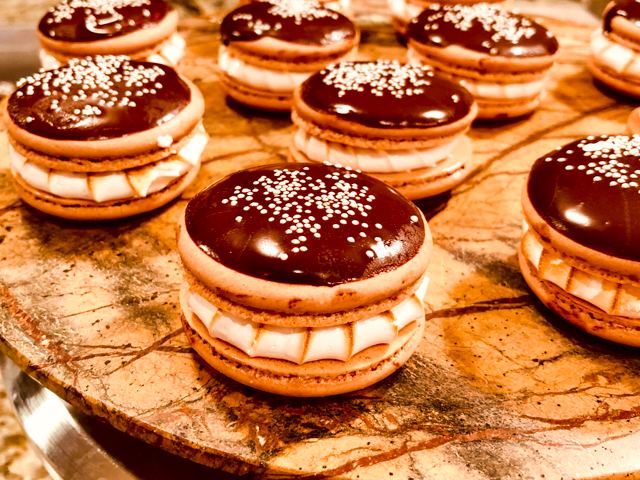
RASPBERRY GANACHE MACARONS


The first recipe of the year should be special. Special in the sense that it should involve something I love to make, something that turned out particularly delicious, and that I will be making again and again as the year goes by. Two options fought hard in my mind to be featured. Mirror-glazed cakes, and French macarons. If you’ve been around the Bewitching, you know that my obsession with macarons is several years old. Mirror glaze is a more recent adventure, but not less fascinating for me. What made me go for macarons? The fact that I have five macaron recipes not yet shared with you. Mirror-glaze cake? I only have one. Another factor that tipped the scale was that my last macaron post happened last August, whereas  shiny cakes were featured just a couple of weeks ago. So that pretty much settled it. I made this batch of pink macs to give to dear friends, which also made them much more special to me.

RASPBERRY GANACHE MACARONS
(from the Bewitching Kitchen)

for the shells:
198 g powdered sugar
113 g almond meal
113 g egg whites at room temperature
a pinch of cream of tartar
100 g granulated sugar
pink gel color from AmeriColor
2 drops vanilla extract

for the filling:
8 ounces white chocolate
1/2 cup raspberry jam
2 1/2 tablespoons heavy cream

to decorate:
drizzle of white chocolate
freeze dried-raspberries
sparkly sprinkles

Line 2 or 3 heavy baking sheets with parchment paper or Silpat mats. Layer the powdered sugar and almond meal   in a food processor. Pulse until the mixture looks like fine meal, about 15 seconds. Pass through a sieve and transfer to a small bowl. Set aside.

Place the egg whites and pinch of cream of tartar in the bowl of a stand mixer fitted with the whisk attachment. Make sure that the bowl and the whisk are impeccably clean. Starting on medium speed, whip the whites with the cream of tartar until they look like light foam. The whites should not appear liquid. The foam will be light and should not have any structure.

Slowly rain in the granulated sugar, trying to aim the stream between the whisk and the side of the bowl. Turn the speed up to medium-high. Continue to whip the meringue until it is soft and shiny. It should look like marshmallow creme. Add the gel color and the vanilla. Staying at medium-high speed, whip the egg whites until the mixture begins to dull and the lines of the whisk are visible on the surface of the meringue. Check the peak. It should be firm. Transfer the whites to a medium bowl.

Fold in the almond meal mixture in three increments. Paint the mixture halfway up the side of the bowl, using the flat side of a spatula. Scrape the mixture down to the center of the bowl. Repeat two or three times, then check to see if the mixture slides slowly down the side of the bowl. Put the mixture in a piping bag fitted with one of the tips listed above. Pipe on the prepared baking sheets.

Slam each sheet hard four to six times on the counter. Then fist bump each end of the sheet’s underside twice. Let the unbaked macarons dry until they look dull but not overly dry. Drying time depends on humidity. Ina dry climate, the macarons can dry in 15 to 20 minutes; in a humid climate, it can take 35 to 40 minutes. If using edible gold powder,  sprinkle a little with a brush and use a hand-held fan to spread it over like dust.

While the macarons are drying, heat the oven to 330 F (170 C/gas mark 3). Bake one sheet at a time on the middle rack. Check in 11 minutes. If the tops slide, then bake for 2 to 3 more minutes. The macarons should release without sticking. Check one or two. If they stick, put them back in the oven for 1 to 2 more minutes. Let the macaroons cool for 10 minutes before removing from the pan.

Make the filling: Place chocolate in a heatproof bowl and set over a pot of simmering water on low heat. Stir chocolate until melted. Remove from heat, and whisk in jam and heavy cream. Cover and chill 2 hours, or until cold. Whip it with a hand-held electric mixer until it reaches a good consistency for piping. Transfer ganache to a piping bag fitted with a 1/4-inch star tip.

Assemble the macarons: find two macarons similar in size and pipe a good amount of filling to the bottom of one of them. Place the other on top and squeeze gently to take the filling all the way to the edge.  Decorate any way you want, or leave them plain. Store in the fridge for 24 hours for perfect texture.

ENJOY!

to print the recipe, click here

Comments: I am very happy with this bake. I think the raspberry ganache worked very well as a filling, because the white chocolate is sweet, but the raspberry balances it all. I made this exact filling twice, first time I used raspberry jam with seeds, this time it was seedless. I liked them both, actually. Since seedless can be a bit harder to find, I advise you not to worry too much about it, either way it will be great.

But what gave me the real thrill was finally getting a nice swirl pattern on the filling. I guess the secret is whipping the ganache once it’s cold and making sure it is the right texture for piping a nice star-shaped mound. Until this time the swirl would just be lost once I sandwiched the cookies together, the filling (be it buttercream or ganache) did not have the correct density to hold its shape.  I hope I can repeat it in the near future…

To get the raspberry dust, simply press a few freeze-dried raspberries through a small sieve on top of the chocolate drizzle before it sets. These little bits of powder pack intense sharp flavor and really pump up the raspberry component. Freeze-dried fruits last a long time, so I always make sure to keep a bag in the pantry.

On the chocolate drizzle: you don’t have to temper the chocolate for that. It will not be as shiny as if you go through the trouble of tempering, but with all the other sprinkles on top, I don’t think it makes much difference. You can conceivably use Candy Melts, but their taste does not compare with the real thing. And for great friends, how could I not use the very best?

Finally, I little comment about the pictures. The two initial photos were taken with my camera, all others with my cell phone. The difference in color is striking. Oddly enough, the cell phone depicted them more realistically as far as the shade of pink. I don’t know why that would be the case, it’s a bit frustrating, as I think overall the quality of the shots with a real camera is much better. Oh, well. If anyone has some input, drop me a line at sallybr2008 at gmail dot com. MERCI BIEN!

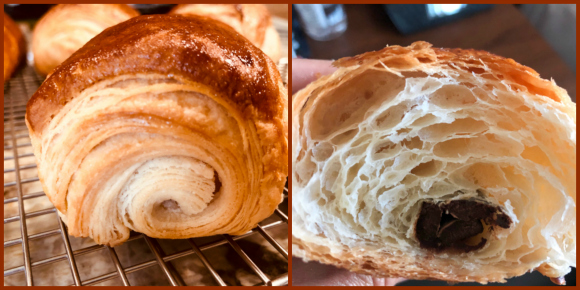
ONE YEAR AGO: Pain au Chocolat

TWO YEARS AGO: Two Unusual Takes on Roasted Veggies

THREE YEARS AGO: Kadoo Boranee: Butternut Squash Perfection

FOUR YEARS AGO: Creamy Broccoli Soup with Toasted Almonds

FIVE YEARS AGO:
 Fennel and Cheddar Cheese Crackers

SIX YEARS AGO: A Festive Pomegranate Dessert

SEVEN YEARS AGO: My First Award!

EIGHT YEARS AGO: A Message from WordPress

NINE YEARS AGO: Turkish Chicken Kebabs