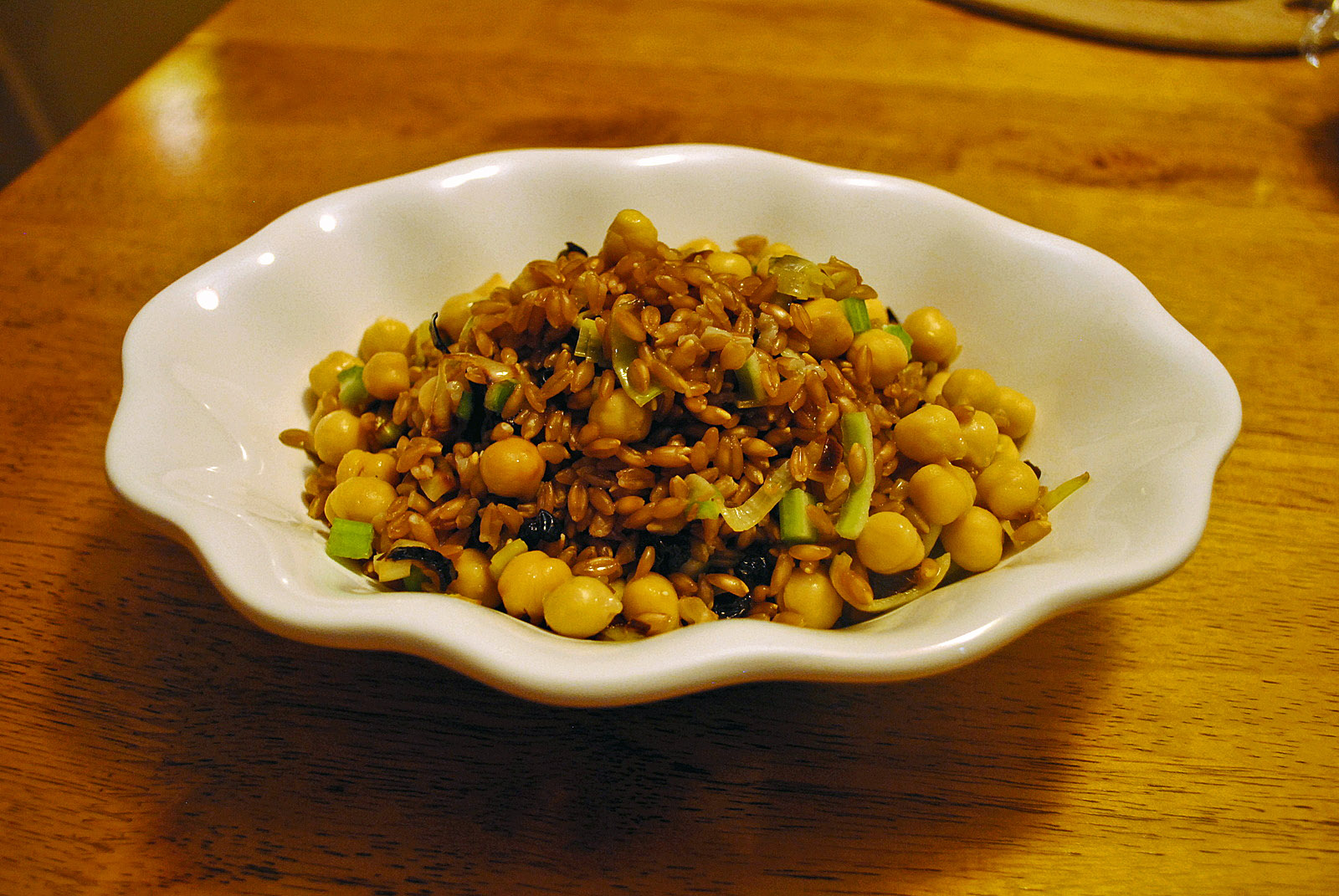
FARRO SALAD WITH ROASTED LEEKS

I suppose this could go to my “work in progress” folder.  But, Phil liked it exactly this way, so I decided to share the recipe adding possible tweaks in the comments.  One important thing to mention: although this is a salad, it’s equally good served warm. Those of you still in sub-zero temperatures and avoiding even to glance at a salad plate don’t need to shy away from it. In fact, we enjoyed it hot on the first day piled up next to a  juicy flank steak, grilled medium-rare. Comme il faut...  😉

served5_opt

FARRO SALAD WITH LEEKS, CHICKPEAS AND CURRANTS
(adapted from The New York Times

2 large leeks, halved lengthwise, cleaned and sliced crosswise 1/4-inch thick
1 Tablespoon olive oil + 1/8 cup, divided
1 teaspoon salt, more to taste
1/2 teaspoon black pepper
1 can of chickpeas, drained (15 oz)
juice and zest of 1 lemon
1/4 teaspoon crushed red chile flakes
1 cup dry farro
1/3 cup dried currants
2 celery stalks, diced

Heat oven to 425 degrees. Using a large rimmed baking sheet, toss leeks with 1 tablespoon of oil, 1 teaspoon salt and 1/2 teaspoon pepper. Spread leeks out in a single layer  and roast, tossing frequently, until golden brown and crisp at the edges, about 20 minutes.

Drain the chickpeas and add them to a pot with boiling water for a couple of seconds. Drain again, dry well.  In a large bowl, toss leeks with chickpeas, lemon juice and zest,  chile flakes and salt to taste. Stir in 1/8 cup olive oil.  Let marinate while you prepare the farro.

In a large pot of salted boiling water, cook farro until tender, about 25 minutes. Drain well. Toss with chickpeas mixture. Stir in currants and diced celery. Taste and add more salt or lemon if needed. Serve warm or at room temperature.

ENJOY!

to print the recipe, click here
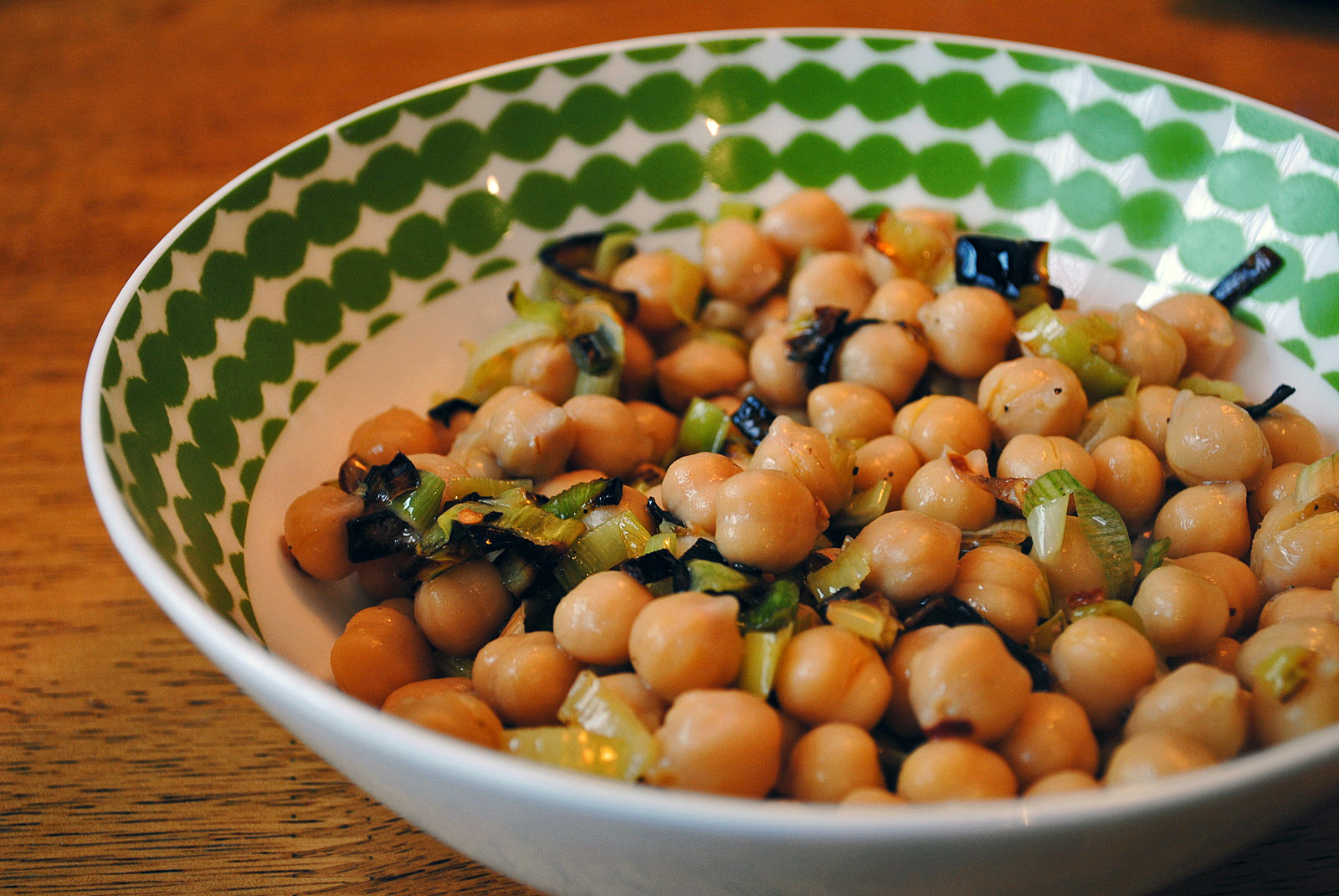
marinating

Comments: The original recipe was written for 2 cups of farro, definitely too much for the two of us.  I halved the recipe, keeping all ingredients in the same proportion, but considerably reducing the olive oil. I was shocked to see the amount called for in the recipe. For two cups of dried farro, they used 2/3 cup of olive oil in the dressing.  Keep in mind that 1/4 cup had already been poured just to roast the leeks. It amounts to 1,700 calories (> 800 for half the recipe) just in the oil component!   Thanks, but no thanks.  I used a tiny amount of oil to roast the leeks, and only 1/8 cup for the whole dressing.   If you like your salad heavier on the oil, I suggest drizzling some more at the very end, before serving.

Now my possible modifications for a future version.  I think raisins would have been better than currants.  And, for my personal taste, the roasted leeks overpowered the dish.  When I make it again, I will use raisins, increase the amount of celery, and reduce the amount of leeks.  That will be a real winner for me.
served1

ONE YEAR AGO: Watercress Salad

TWO YEARS AGO: Carrot and Sweet Potato Puree’

THREE YEARS AGO: Croissants: Paris at home on a special day

AN ORANGE FRAME OF MIND

Orange food seems to be on everybody’s mind these days, perhaps to match the color of the leaves, with their beautiful shades of red and gold.  Most maple trees in town are already completely red, but from my office’s window on campus, I see a very special tree, one that gets a few more red leaves each day. I like to think it is putting up a special show for me, a newcomer to the Little Apple…  😉   Let me share with you a few recipes to celebrate the season, the first is a new one, and the others come from the Bewitching archives.  An array of golden dishes to hopefully inspire you…

RICE PILAF WITH CARROTS AND PARLSEY
(adapted from  Martha Rose Shulman)

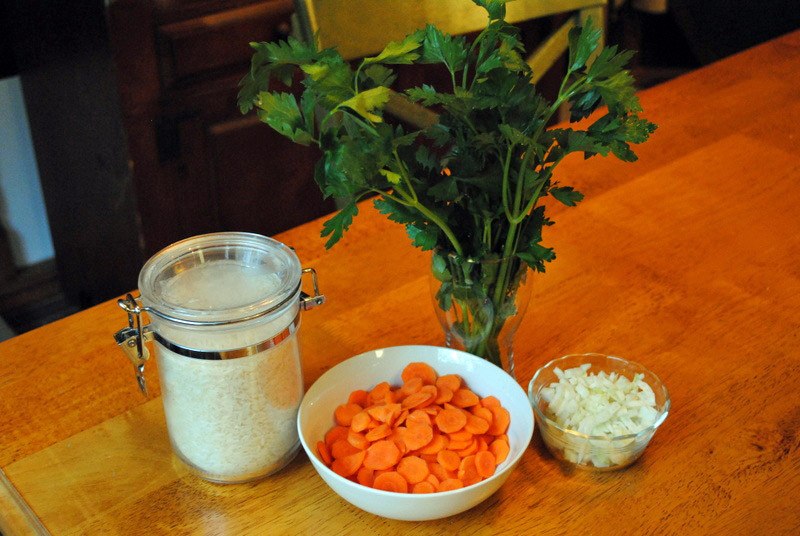
2 tablespoons  olive oil
1 fennel bulb, chopped
4 medium carrots, peeled, thinly sliced
1 cup basmati rice
a pinch of saffron
1  cup water
1 cup vegetable stock
Salt to taste
1/2 cup finely chopped flat-leaf parsley

Rinse the rice well to remove excess starch. Drain well, and reserve.  Heat the water and stock together in a microwave until very hot.

Meanwhile, heat the oil in a wide, heavy skillet or saucepan over medium heat and add the carrots, fennel, and salt. Cook, stirring, until the vegetables begin to soften, about 3 minutes, and add the rice and the saffron.  Cook, stirring, until the grains of rice are well coated with oil and beginning to crackle. Add the hot water and stock and bring to a boil. Taste the cooking liquid and adjust salt if necessary. Reduce the heat, cover and simmer 15 minutes, until all of the liquid has been absorbed.

Uncover the rice and place a clean towel over the top of the pan, but don’t let it touch the rice.  Put the lid back, and let the rice sit for 10 minutes.  Add the parsley, fluffy the rice with a fork, and serve.

ENJOY!

to print the recipe, click here

This pilaf is extremely delicious and good for you, a combination that is always welcome at our table. Fennel and saffron were not in the original recipe, but I think they worked better with the other flavors than onions would.  Feel free to include onions and garlic,  Phil and I are part of the minority who uses those ingredients quite sparingly.

For some more orange glow on your table….
(click on the title for the original post)

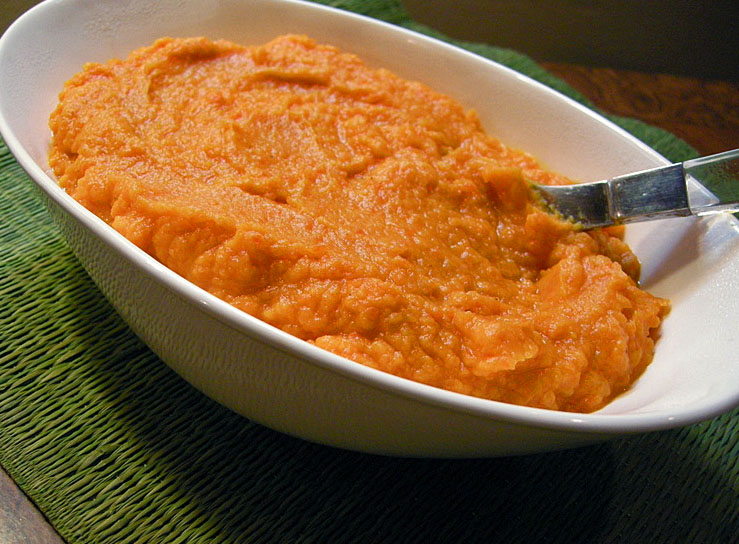
CARROT AND SWEET POTATO PUREE

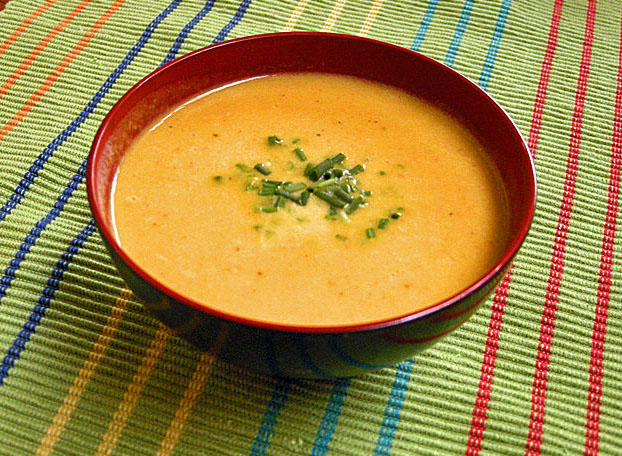
CARAMELIZED CARROT SOUP

KURI SQUASH SOUP

CHICKPEA SALAD

CARROT NIB ORZO

SWEET ROASTED BUTTERNUT SQUASH AND GREENS OVER PASTA

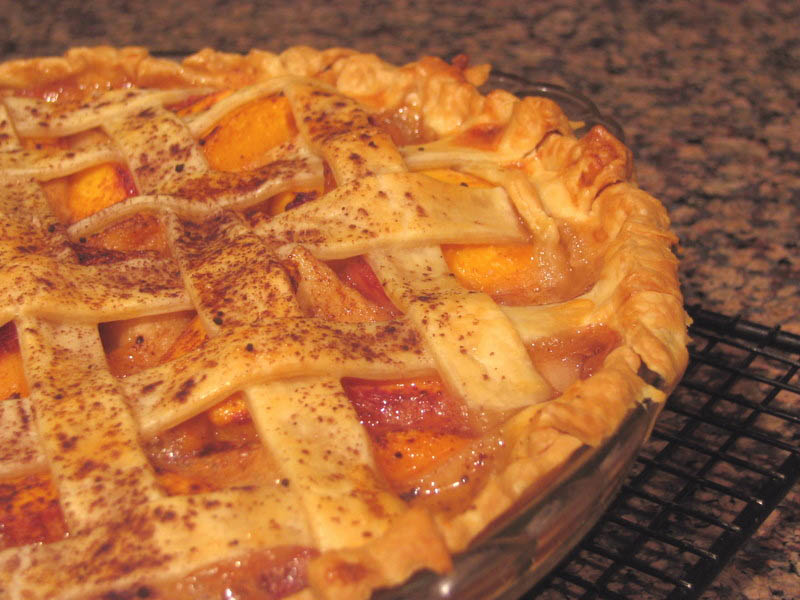
PEACH PIE

ONE YEAR AGO:  San Francisco Sourdough

TWO YEARS AGO: A Real Oscar Winner (two years with the sweetest dog in the world!)

THREE YEARS AGO: Pane Siciliano

SUNNY KAMUT SALAD WITH ROASTED LEMON VINAIGRETTE

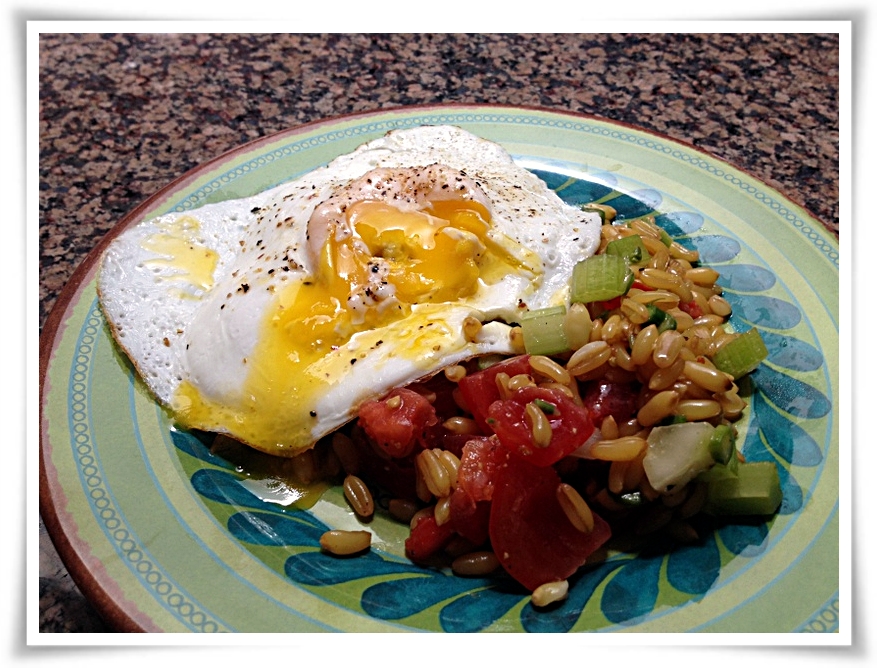
If you have cholesterol-issues,  omit the egg on top, otherwise go for it!  I actually do a lighter version of the “sunny-side-up” using a trick I read somewhere last year.  I spray a very small amount of olive oil on a non-stick pan, once it’s very hot I place the egg, and season it with salt and pepper.  When the bottom part is setting up, I quickly pour 1 tablespoon of water on the side of the egg, and cover the pan with a lid.  It works best with a lid smaller than the frying pan, so that the egg is fully enclosed by a shot of steam.   This makes the top of the yolk set nicely without that slimy white that turns most people off…  and the amount of fat in this “pseudo-fried” egg is pretty negligible.    Eggs are a great source of protein, and since I have super low cholesterol,  I enjoy them many times per week.     And now, let’s go straight to the  heart of the matter…

SUNNY KAMUT SALAD WITH ROASTED LEMON VINAIGRETTE
(from the Bewitching Kitchen)

to cook the grain:
1 cup kamut , soaked in water (6 hours to overnight)
4 cups water for cooking
1/2 tsp salt

recipe for dressing: 
click here

for the salad:

asparagus, finely sliced in tiny “coins”
diced tomatoes
diced cucumber
sliced celery stalks

Cook the soaked kamut by mixing it with water and salt in a saucepan, bringing it to a boil and gently simmering it for 45 minutes to 1 hour  (taste to decide when it’s fully cooked, but don’t let it get mushy).  Once the grain is cooked to your liking, drain the water. Cool it to room temperature.

Make the salad dressing as described in the “roasted lemon vinaigrette” link. Reserve.

Add the asparagus, cucumbers, and celery slices to a small bowl, moisten with some of the salad dressing, mixing to lightly coat the veggies. Amounts are flexible, use as much or as little of each veggie as you feel like.

When ready to serve the salad, mix the cooked kamut with the veggie/vinaigrette mixture, add the tomatoes, and adjust seasoning with salt and pepper.  If you like, add  some lemon zest on top. Enjoy it as a side dish for meats, or with a “figure-friendly” sunny-side egg on top.  It is also excellent all by itself.

ENJOY!

to print the recipe, click here

Comments:  Kamut is a close relative to farro, so you can use either one.  Sometimes farro is hard to find, whereas I never have any trouble getting kamut. I am quite fond of salads made with grains because they are filling, nutritious, and lighter than most types of side-dishes one would pair with meat.

Is this post coming from the new Bewitching Kitchen?  No, not yet.  Life is extremely frantic and won’t get much better in the near future. Until the dust settles,  I will be publishing posts from stuff made before our move.  Rest assured, there will be quite a bit of blog-noise when the first post from the new kitchen is up!  😉

ONE YEAR AGO: Pane de Casa & Crostini

TWO YEARS AGO: Down-home Dig-in Chili (fantastic recipe, by the way!)

THREE YEARS AGO:  Cinnamon Rolls

SPRINGTIME SPINACH RISOTTO

Because there’s no such thing as too many risotto recipes, I share with you this version, made more special because I used spinach freshly harvested by our  friends and neighbors (the ones with the green thumb).    I took one small shortcut by using a frozen bag of  peas and carrots. We always have those in the freezer  because they are handy additions to rice, pasta, and soups.  And I wanted a bit of orange color to add contrast to the dish.  SPRINGTIME SPINACH RISOTTO
(inspired by Martha Stewart‘s Everyday Food)
.
3  cups chicken broth
2 cups water
2 tablespoons olive oil
1 shallot, finely chopped
salt and ground pepper
1 cup Arborio rice
1/2 cup dry white wine
10 ounces of spinach, finely chopped
8 ounces frozen carrots and peas, thawed
1 tablespoon butter
.
Combine chicken broth and water in a saucepan, bring to a boil and keep at a low simmer (you may not need to use the full amount of liquid).  In a medium saucepan, preferably wide and with round edges, heat the olive oil and add the minced shallot. Season with salt and pepper, cook until soft and translucent.   Add the rice, and cook until it starts to get a little color, about 4 minutes, stirring constantly so the grains don’t stick to the bottom of the pan and burn.  Add wine; cook, stirring, until absorbed, about 2 minutes.  Add 2 big ladles of hot chicken broth, and cook until absorbed, stirring occasionally.  Continue adding broth mixture, 1 cup at a time, waiting for liquid to be absorbed before adding more, stirring occasionally, until rice is just tender and creamy with a little liquid remaining in the pan, about 25 minutes. Stir in the spinach, peas, carrots, and finish with the butter.  Adjust seasoning if needed.
.
ENJOY!
.
to print the recipe, click here
.
This risotto could be a meal in itself, but we enjoyed it with grilled boneless chicken breasts. We do like some meat with our dinner, even if risotto-purists disagree.  I thought about making risotto cakes with the leftovers, but ran out of gas and simply re-warmed it in the microwave.  Not a real risotto anymore, but still a pretty tasty side dish!  😉
I used frozen peas and carrots for this recipe, but would not use frozen spinach – you need the texture of the fresh leaves that get barely cooked in the final moments of the preparation.  A squeeze of lemon juice, and a dusting with lemon zest would not hurt it either…
.
.
.

Add to FacebookAdd to DiggAdd to Del.icio.usAdd to StumbleuponAdd to RedditAdd to BlinklistAdd to TwitterAdd to TechnoratiAdd to Yahoo BuzzAdd to Newsvine

A HIGH PROTEIN LUNCH

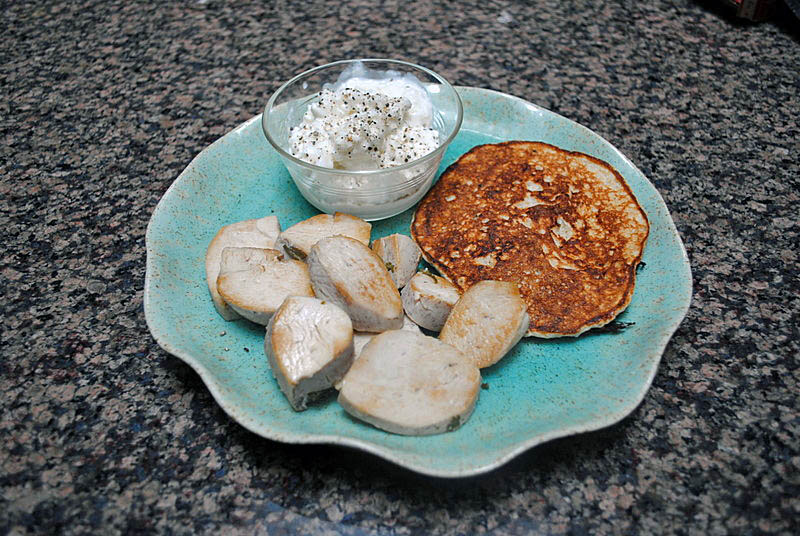
I could call it “my secret weapon”  to  counteract usual over-indulgences. Back in June, I bought  the  book   “The Dukan Dietand tried that nutritional system for a while. I found out that I really like his oatmeal galette, a nice source of protein and complex carbs that became part of my weekday lunches.  The galette can also be adapted for breakfast by omitting the salt, pepper and spices, and adding a little Splenda or the sweetener of your choice.

HIGH PROTEIN LUNCH
(from the Bewitching Kitchen)

for Dukan-type pancake
1 egg white
2 Tbs non-fat yogurt
2 Tbs oatmeal
salt and pepper
pinch of dried thyme

for chicken
chicken breasts, boneless
water to cover
splash of soy sauce
1 Tbs green tea
2 star anise
a few peppercorns
piece of ginger
salt
squeeze of lemon juice

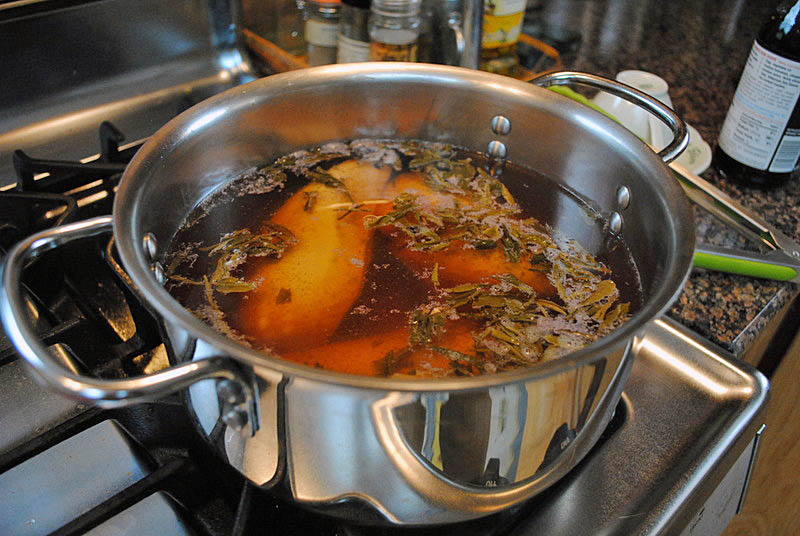
Poach the chicken by bringing all ingredients to a gentle boil in a saucepan, cover the pan, turn the heat off, and allow the meat to sit in the liquid for 25 minutes.  Remove from the pan, and keep in the fridge until needed (I usually cook 3 chicken breasts on the weekend, and save for lunches the following week).

Make the pancake by beating the egg white in  a small bowl.  In another bowl, mix the yogurt with the oat bran, salt, pepper, and thyme.  Add the beaten egg white to the yogurt, and mix gently with a silicone spatula.   Spray a very light coating of olive oil on a non-stick frying pan, heat the pan over medium heat, and pour the pancake batter on it.  Fry the first side until the top seems to be getting dry, then carefully flip the pancake over. Cook the second side for a couple of minutes, and slide the pancake on a plate.

Cut the chicken breast in slices, add to the same pan you cooked the pancake, adding just a little more oil if necessary.   Saute the chicken slices briefly just to warm them up and get some color.  A squeeze of lemon juice at the end brightens up the flavor. Serve it with the pancake and a small bowl of non-fat cottage cheese, seasoned with salt and pepper.

ENJOY!

to print the recipe, click here

I love poaching chicken in green tea and soy sauce.  The  meat gets a delicate hint of color, and the addition of ginger and star anise imparts nice flavor.   You can use chicken poached this way in other recipes, of course.  Shredded for salads, filling of fajitas, or even incorporated in a sauce for pasta.   As to non-fat cottage cheese,  I admit it’s not very gourmet…  The low-fat version is better,  the full-fat truly delicious, but when I’m on my protein-only mission, I stick with the zero fat, and use it to build not only muscle, but character.   😉

ONE YEAR AGO: Festivus Dinner Rolls

TWO YEARS AGO:  New York Deli Rye

Add to FacebookAdd to DiggAdd to Del.icio.usAdd to StumbleuponAdd to RedditAdd to BlinklistAdd to TwitterAdd to TechnoratiAdd to Yahoo BuzzAdd to Newsvine