MOGO MOJO

A few weeks ago a reader left a comment on my post about “mandioca frita.” He told me about “mogo,” a common dish in Indian restaurants in the UK, that also starts from cooked manioc root, but instead of frying, the root is seasoned with a mixture of spices and roasted.   I was intrigued, and put google to work, searching for an authentic recipe.  Very quickly I realized there is no consensus about it.   The only common denominator in mogo recipes is that you start with cooked roots, prepared as I described in this post.  After that, some recipes call for roasting, some for frying  then roasting, others for gently cooking on the stove.   Some recipes use tomatoes, some only peppers, others add coconut milk.  Spices also vary a lot.   With all that complexity facing me,  I shutdown my computer and improvised.  So, here is my version of mogo, a delicious, hearty dish that will be showing up at our table on a regular basis.  Well, as regularly as I can find manioc root at the store…  😉

MOGO
(from the Bewitching Kitchen)

10-12 pieces of cooked manioc root
1 Tbs olive oil
1 shallot, finely diced
1 garlic clove, minced
1/4 tsp red pepper flakes (or more)
1/2 tsp curry powder
salt and black pepper
1 can diced tomatoes with their juices (14.5 oz, about 1 + 3/4 cups)
1/2 cup coconut milk
chopped cilantro leaves

Cook the manioc root until tender. Cut in serving pieces and reserve (cooked manioc can sit in the fridge for a few days, or be frozen for months).

Heat the oil in a saute pan, add the shallots, cook until soft and starting to develop some color.  Add the minced garlic and the red pepper flakes, cooking for a minute or two. Season with salt and pepper, add the tomato with the juices, cook on gentle heat for 5 minutes, stirring a few times.  Add the coconut milk, curry powder, cook for a couple of minutes, add the cilantro leaves, taste the seasoning and adjust to your taste.  You can add some hot pepper sauce if you like it really hot.

Spread the cooked manioc on a baking dish, pour the tomato-coconut sauce on top, cover with aluminum foil and bake at 375 F for 45 minutes.  Remove the foil, and serve or, if you prefer less sauce and some browning on the cassava root, increase the heat to 400 F to finish roasting.

ENJOY!

to print the recipe, click here

Comments: I will be forever in debt with Jack for the heads up about this recipe.  We enjoyed it with roast chicken, but next day it was a meal in itself re-heated in the microwave and served over Israeli couscous.  Wonderful!   Change this basic recipe around by adding roasted bell peppers to the sauce, increasing the heat level with a hot sauce, maybe some smoked hot paprika.

I hope my Brazilian readers will give mogo a try, as they have access to excellent quality manioc root in farmers markets and grocery stores everywhere. Manioc root is not a very popular item in the US, but hopefully that will soon change!   😉

ONE YEAR AGO: Slow-roasted chicken thighs

Add to FacebookAdd to DiggAdd to Del.icio.usAdd to StumbleuponAdd to RedditAdd to BlinklistAdd to TwitterAdd to TechnoratiAdd to Yahoo BuzzAdd to Newsvine

CARROT AND LEEK SOUP

Here in California the warm weather hangs around,  making me almost forget that Thanksgiving is right around the corner.  But when the latest issue of Fine Cooking was delivered in the mail, the gorgeous cover showing a croquembuche in all its glory was a clear reminder:  the holidays will soon be here, it’s time for comfort food.  Lots of things I want to cook right away from the magazine, but I started with a carrot and leek soup that turned out light and satisfying at the same time.

CARROT AND LEEK SOUP
(adapted from Fine Cooking)

1 T olive oil
1/2 T butter
1 medium-size leek, white and light green part only, thinly sliced
1 shallot, diced
1/2 pound carrots, sliced (about 6, medium)
2 cups water (or chicken stock)
salt and pepper
2 tsp fresh thyme leaves
1/2 cup low fat yogurt
2-3 T fresh orange juice

Melt the olive oil and butter in a medium-sized pan, cook the shallots and leeks until soft but not brown,  seasoning lightly with salt and pepper.   Add the sliced carrots, water (or stock),  thyme leaves,  bring to a boil, cover the pan and reduce the heat.   Cook until the carrots are soft, about 15 minutes.

Using an immersion blender, puree the soup to the consistency you enjoy (we prefer it with a little body, not fully smooth).  Alternatively, you can use a blender or food processor (be careful when blending hot liquids).   Bring the pureed soup back to the stove, add the yogurt and orange juice, heat very gently.   Taste, adjust seasoning with salt and pepper if necessary.   Serve with croutons and minced chives.

ENJOY!

to print the recipe, click here

Comments: I changed the recipe quite a bit, so if you want to make their original version (that includes fancy homemade herb croutons and a few more bells and whistles), buy the magazine. You won’t be disappointed:  the cookies section alone and the step-by-step recipe for Beef Wellington are well worth the small investment… 😉

Yogurt is a perfect addition for certain soups, when a hint of richness is welcome, but you don’t want to go overboard. This recipe is similar to the creamy broccoli soup I recently blogged about, and the same basic method might be used for other veggies: butternut squash, cauliflower, even asparagus, although I haven’t quite optimized a method to get a nice, smooth texture when pureeing asparagus.  Just another little item to add to my list of culinary challenges…  😉

Note to self:  Make soup more often.

ONE YEAR AGO: Chicken Parmiggiana 101


Add to FacebookAdd to DiggAdd to Del.icio.usAdd to StumbleuponAdd to RedditAdd to BlinklistAdd to TwitterAdd to TechnoratiAdd to Yahoo BuzzAdd to Newsvine

FARRO: GOOD FOR YOU AND TASTES GREAT TOO

Farro:  a fun word for a mysterious grain, about which a lot of controversy exists as to its origin.  Some say it’s a type of wheat, but that’s not the case,  farro is a grain from a related, but different plant.  It was a staple at the height of the Roman Empire,  and persevered since those days until now in central parts of Italy, where it’s still grown,  consumed and exported.   Farro is loaded with vitamins and low in gluten, so even people with gluten allergies may enjoy it. Plus, it performs well in  many kinds of recipes, from risottos to breads, from stews to salads.  What an amazing little grain, that’s perfect as the focus of my 200th post!   😉

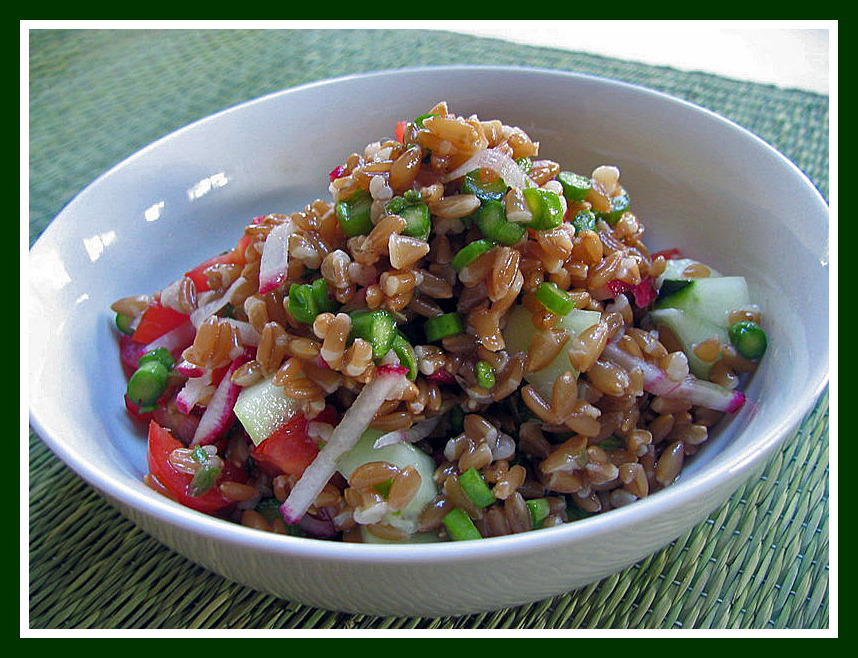
BEWITCHING FARRO SALAD
(from my kitchen)

to cook the grain:
1 cup farro  (not the pearled variety)
2.5 cups water
1/2 tsp salt

for the dressing (it will make more than you need):
1/2 cup olive oil
juice and zest of 1 lemon (or other citric fruits, alone or in combination)
pinch of salt
ground black pepper

for the salad:
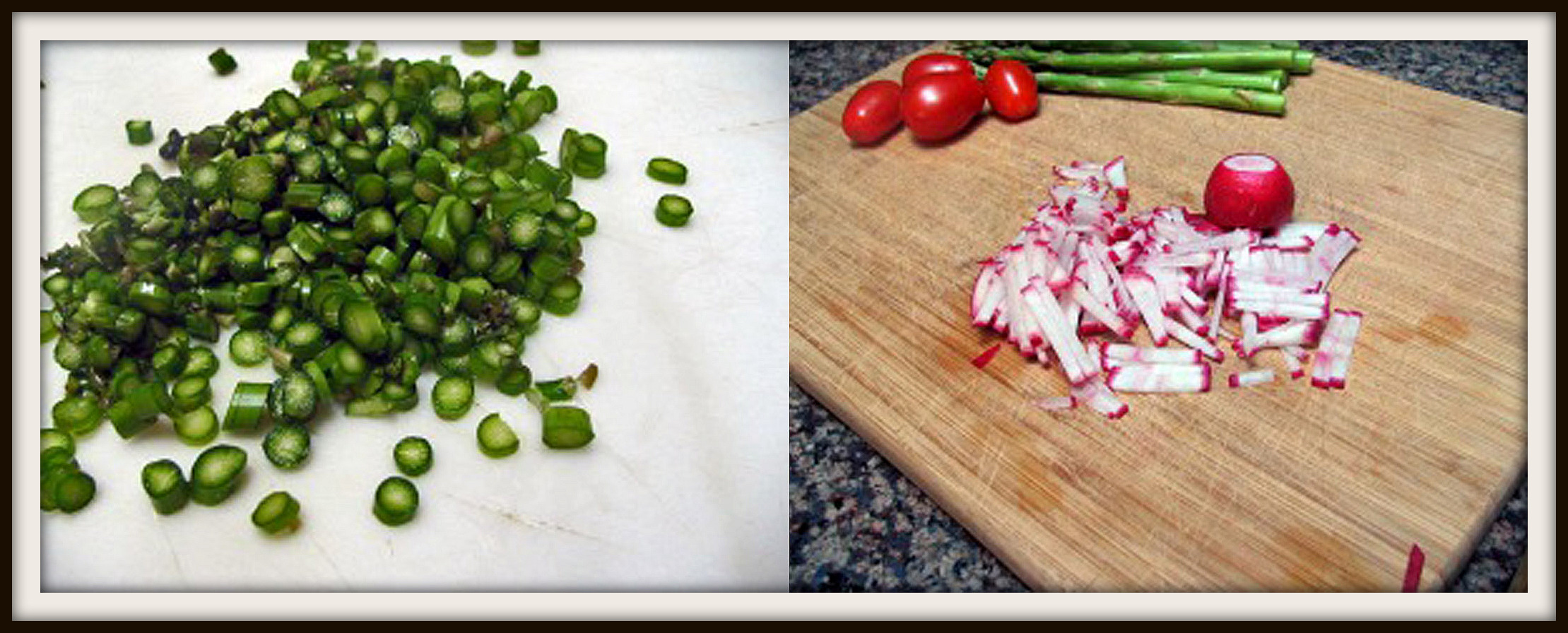
asparagus, finely sliced in tiny “coins”
radishes, cut in match sticks
diced tomatoes
diced cucumbers
minced cilantro (optional)

Cook the farro by mixing it with water and salt in a saucepan, bringing it to a boil and gently simmering it for 45 minutes (or a little longer, taste to decide when it’s fully cooked, but don’t let it get mushy).  If the grain cooks but there’s some water left, drain it. Otherwise just fluff it with a fork and allow it to cool to room temperature.

Make the salad dressing by mixing the olive oil with lemon juice, zest, salt and pepper.  Reserve.  Add the asparagus and radishes to a small bowl and sprinkle with some of the salad dressing, mixing to lightly coat them.

At serving time, mix the cooked farro with the diced tomatoes, cucumbers, cilantro (if using), asparagus and radishes, add more dressing to taste, adjust the seasoning.

ENJOY!

to print the recipe, click here


Comments: A couple of years ago I watched Anne Burrell  use raw asparagus as the main ingredient in an unusual salad.  She inspired me in this farro recipe.   Since the asparagus spears are raw,  thinly slice both them and the radishes.   If you add some dressing to these two ingredients and allow them to rest while you prepare the remainder of the salad, it will mellow their sharpness.

I haven’t given any exact amounts for the ingredients so that you can play with them, using more or less, depending on your own taste.  Skip some, add something else (onions, diced olives, capers, mint leaves), and adapt the dressing too: orange juice complements asparagus and farro quite nicely!

The grain doesn’t go mushy in the fridge overnight, and in fact the salad was still outstanding next day. I can see raw asparagus in our future quite often: couscous, orzo, and cracked wheat salads will never be the same…

My husband, after polishing off leftovers, said: “You are making this again, right”? – I guess food bloggers’ partners live in fear of never tasting the same dish twice… 😉

ONE YEAR AGO: From Sea to Table:  SUSHI

Add to FacebookAdd to DiggAdd to Del.icio.usAdd to StumbleuponAdd to RedditAdd to BlinklistAdd to TwitterAdd to TechnoratiAdd to Yahoo BuzzAdd to Newsvine

GRILLED LETTUCE SALAD

The slightly unusual food preparations continue to take place in our kitchen… After frying a boiled egg and roasting greens, I grilled some lettuce . This  3-minute preparation delivers a punch of flavor, leading the humble butter lettuce to its best performance. From the latest Fine Cooking magazine  which, by the way, is an awesome issue, I’d love to make almost every recipe from it!

GRILLED BUTTER LETTUCE SALAD WITH BUTTERMILK-CHIVE DRESSING
(adapted from Fine Cooking #105)

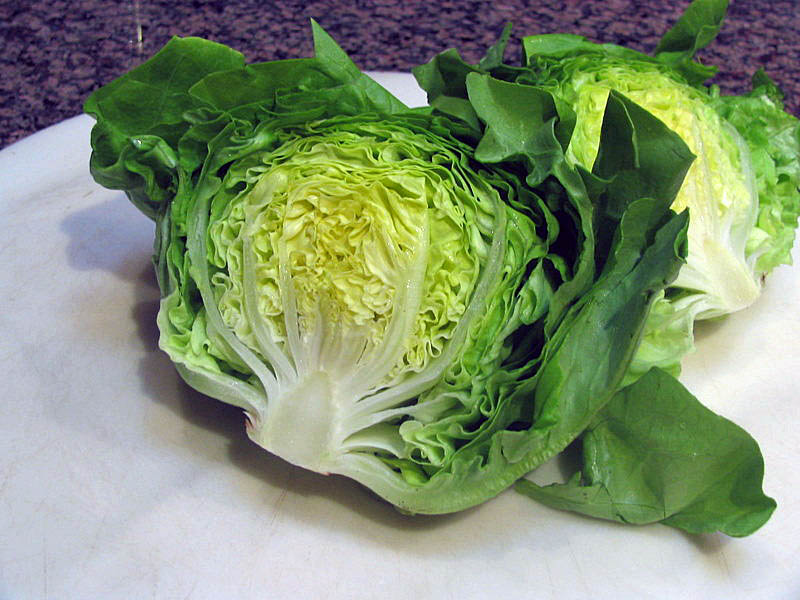
1 butter lettuce, cut in half lengthwise
1/4 cup buttermilk
1/8 cup creme fraiche (I substituted sour cream)
1 Tbs olive oil
1 Tbs thinly sliced chives
1/2 Tbs freshly squeezed lemon juice
salt and pepper to taste
vegetable oil for the grill

Prepare a gas or charcoal grill at medium-high heat.

Whisk the buttermilk, creme fraiche, olive oil in a bowl. Add the chives, lemon juice and mix well. Season with salt and pepper. Reserve.

Brush the grill with a light coating of vegetable oil, place the lettuce, cut side down, and grill for 2 to 3 minutes. Transfer the grilled lettuce to a serving plate, cut side up, and drizzle the dressing over it. Sprinkle with a little more salt and pepper, and serve.

ENJOY!

to print the recipe, click here


Comments: Sometimes the idea of washing, drying, slicing…  the whole “prep work” associated with making a good salad makes me a bit tired.   However, this recipe delivers a delicious, and quite elegant salad in – literally – 6 minutes.  All you need is the most gorgeous, preferably organic butter lettuce available, and a few ingredients for the dressing. My beloved suggested adding a little blue cheese  – “it will make it perfect”! – so, keep this in mind if you make it.

Grilling the lettuce intensifies its flavor, and changes the texture ever so slightly, making each bite have its own character: closer to the edge a bit smokey, a crisper and brighter taste as you indulge deeper. The buttermilk dressing is very flavorful – it will certainly go well over other roasted or steamed veggies. I can see myself grilling lettuce during the whole Summer!

A SIMPLE SALAD a la JACQUES PEPIN

Of all “master chefs” in the cooking world, Jacques Pepin is my favorite.  He is the kind of man I’d love to dine with:  gentle, authentic, and down to earth.  Reading his autobiography “The Apprentice”,  made me appreciate him even more.   Of course, his charming French accent is the icing on the cake.  😉

If his name wasn’t beneath this recipe, I wouldn’t have tried it because it seems a little strange.  Who in their right mind would fry a hard boiled egg?  Well, his mother did just that, during the hard years of the Second World War, and when I made it for our lunch, it was clear that her genes were the basis of Jacques’ skills in the kitchen:  the apple didn’t fall far from the tree!

PAN-CRISPED DEVILED EGGS ON FRENCH LETTUCES
(adapted from The Splendid Table’s How to Eat Supper)

2 large eggs, hard boiled and peeled
1/2 tsp Dijon mustard
1 tsp chives, finely minced
1-2 Tbs milk
2 tsp yogurt
1 tsp white wine vinegar
salt and pepper to taste
1 T olive oil

Dressing
leftover egg yolk filling
3 Tbs olive oil
1 tsp Dijon mustard
2 Tbs milk
2 tsp white wine vinegar
salt and pepper

Salad
mixed greens of your choice

Cut the boiled eggs in half lengthwise, remove the yolks and place them in a small bowl. Add all the ingredients for the filling, mashing it well to form a cream. Carefully fill each egg white half with the mixture, but do not overfill, make it exactly like the egg yolk would be. You will have excess filling that will be used as part of the dressing.

Heat a tablespoon of olive oil on a non-stick pan, and add the egg halves, cut side down. Sautee for 3-4 minutes, until golden. Reserve.

Make a dressing by mixing well all the ingredients. To serve, place the salad greens on a plate or serving bowl, drizzle some of the dressing and mix. Place the sauteed eggs on top, sprinkle a little more dressing, adjust seasoning with salt and pepper.

ENJOY!

to print the recipe, click here

Comments: Some people dislike hard boiled eggs, or even fried eggs.   I love them all. The only thing that turns me off is uncooked egg white floating on top of my sunny-side-up eggs.  I hope that even a deviled-egg-hater might enjoy this preparation. The subtle crunchiness on the hard-cooked eggs gives it a bit of  substance, making the salad seem more filling. The use of the excess egg yolk filling as part of the dressing is a brilliant touch.  It’s a nice light lunch for those of you without high cholesterol issues (or with a prescription vial of a statin in the cupboard!).

For another tasty example of using sauteed hard boiled eggs, take a look at this post by Ilva, a proof that great cooks think alike! 😉

receita em portugues na proxima pagina…..

pagina seguinte…