KINPIRA GOBO AND JAPANESE HOME COOKING

burdock2_opt

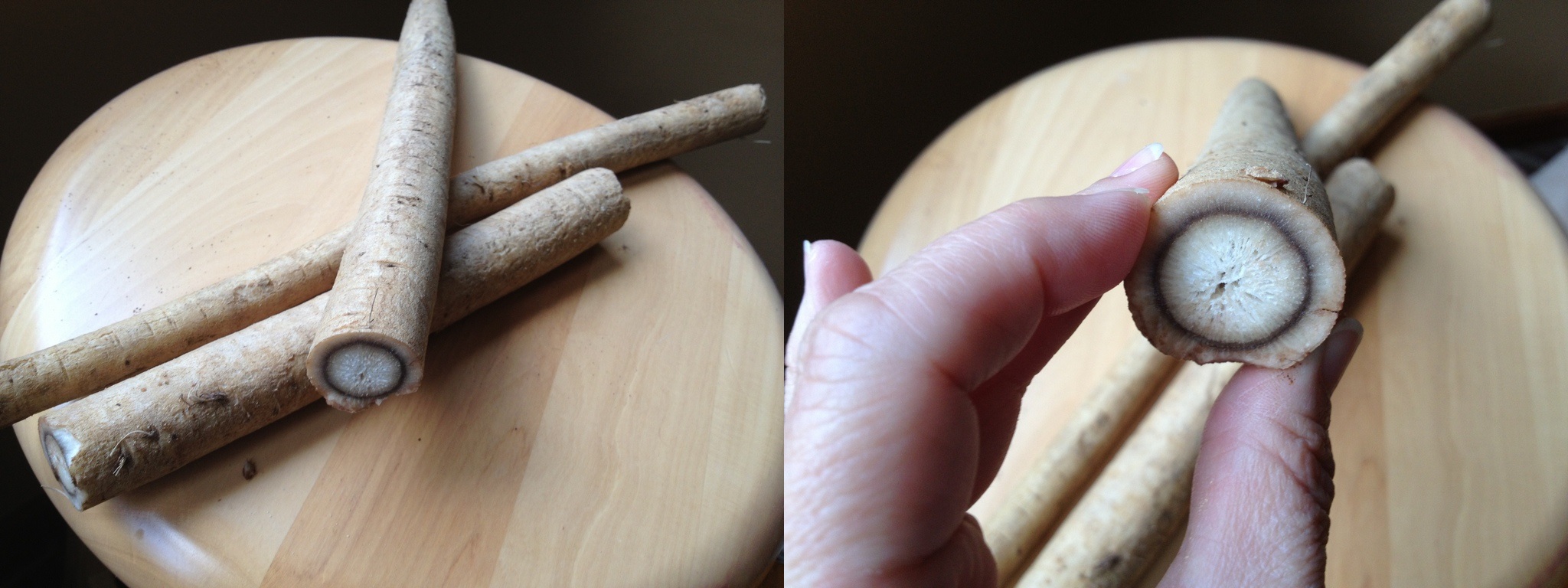
Of all types of cuisine, Japanese is the one that intimidates me the most. Making sushi at home is out of the question for me, but even other types of Japanese cooking give me pause.  In a recent trip to California, we met a wonderful couple who takes a different approach: they are both Americans, but mostly cook Japanese food at home and are really serious about it.  Their bookshelves are loaded with cookbooks devoted to Oriental (and vegetarian) cooking, their pantry stocked with the most exotic ingredients.  They mentioned a dish they love so much that it’s not uncommon to have it twice in the same week.   It uses a strange-looking root called “gobo“, also known as “burdock“.   They gave me the perfect spice mix to season this traditional Japanese dish (see my previous post) and wished me luck finding gobo in Manhattan, KS.   I was very optimistic, though. It turns out “The Little Apple” is home to one of the most amazing food stores I’ve ever been to, called quite simply “Asian Market“.    I could not wait to get there to search for the elusive root.  Not only they had a ton of it, but the owner said it’s always in stock.   Call me a happy camper. And call this dinner one of the healthiest meals I’ve ever put together.   And very delicious too!
served1

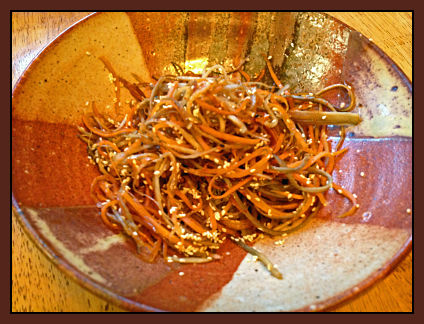
KINPIRA GOBO (Sautéed Burdock)
(adapted from Hiroko Urakami Japanese Family-Style Recipes)

1 medium gobo root
2 carrots
1 Tablespoon sesame oil
1/2 Tablespoon grape seed oil
2 Tablespoons mirin (or sake)
1 + 1/2 Tablespoons sugar
2 Tablespoons soy sauce
1 + 1/2 Tablespoons sesame seeds, toasted
Nanami togarashi to taste

Set up a large bowl with cold water. Peel the carrots and cut in julienne strips. Peel the outer dark skin of the gobo root, and working quickly, cut it in julienne strips.  Soak the gobo and the carrots in water for 10 to 20 minutes.  Drain well, and dry the strips using a kitchen towel.

Heat the sesame and grape seed oil on a large skillet.  Add the carrots and gobo root, and sautée them together for about 4 minutes, until they are tender.  Add the mirin, sugar, and soy sauce, and cook over medium heat until all the liquid has been absorbed.  Transfer to a serving bowl, add the sesame seeds and the nanami togarashi right before serving.

ENJOY!

to print the recipe, click here
composite

I have a bit of  trivia about gobo for you:  in the 40’s, a Swiss inventor called George de Mestral was walking his dog through some woods and noticed that the seeds of a particular plant glued to everything, from his clothes to his dog’s fur. He collected some seeds, and inspected them under the microscope. He was amazed by its hooks and loops, and thought that it could be the basis of a new material. From that observation, Velcro was born.  The plant was burdock. Apart from its technological impact, gobo is considered by the Japanese as one of the healthiest types of food, that they claim to “purify the blood”.   It contains a lot of minerals (including iron),  it is high in fiber, low in calories, and has a very unique taste.  The soaking in water is necessary to get rid of tannins that can give it a harsh taste.
soakingI love to find a new ingredient to play with!   Our kinpira gobo was served as a side dish for boneless chicken thighs on the grill (marinated with yogurt and a few spices), snow peas, and brown rice.  It was the type of meal that makes you feel healthier with each bite.  I hope you can find some gobo and give this recipe a try, it’s a keeper…  😉

ONE YEAR AGO: Walnut Sourdough

TWO YEARS AGO: Thai Chicken Curry

THREE YEARS AGO: Zen and the art of risotto

EVERYBODY LOVES CARROTS!

And to prove my point, a photo straight from one of my favorite websites, Dogshaming.com (published with permission)

Carrots Phil and I try to eat a varied diet.  We don’t exclude fats or  carbs, only moderate the intake of overly caloric stuff. Over the years we made some changes in our nutrition that we follow as strictly as possible.  We do the seafood at least once a week, often more.  We limit red meat to once a week. We save desserts for special occasions. Recently we decided to increase our consumption of carrots. Our goal is to have them as a side dish twice/week. Carrots are a fantastic source of beta-carotene, a compound that is metabolized into vitamin A and retinal in humans and other vertebrates. Retinal (vitamin A-aldehyde), is a key compound in the vision process.  Interestingly, carotenes are poorly absorbed from raw carrots. For optimal absorption, the carrots should be cooked, and preferably consumed with a little oil, as carotenes are oil-soluble.  I am sure the cute dog above compensates the poor absorption by maximizing uptake and grabbing each root available in the backyard…   😉  This recipe solves the problems for H.sapiens, as the carrots are roasted with a bit of olive oil. Plus, to pump the “good-for-you” index even further, they are mixed with pomegranates, themselves chock full of nutrients.  Interestingly enough, did you know that both carrots and pomegranates originated in Afghanistan?  That may be why they go so well together!

served1

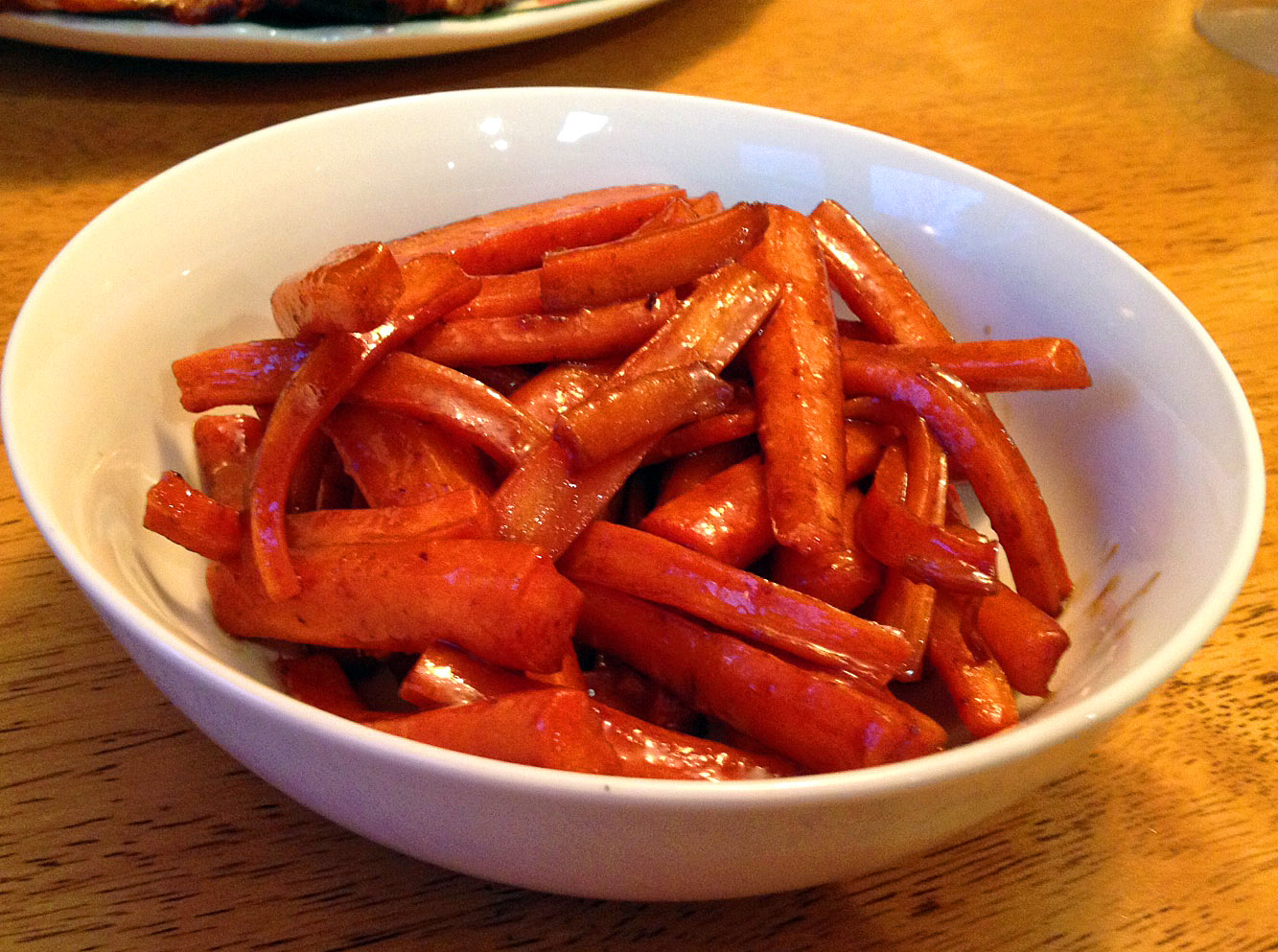
POMEGRANATE MOLASSES GLAZED CARROTS
(adapted from Bon Appetit)

8 carrots (any color), halved lengthwise, cut crosswise into 2-inch pieces
1 tablespoons olive oil
Salt and freshly ground black pepper
1 tablespoon honey
1 tablespoon pomegranate molasses

Heat oven to 425°. Combine carrots and oil in a medium bowl. Season with salt and pepper and toss to coat. Transfer to a rimmed baking sheet, spreading out in an even layer. Clean any excess oil left in the bowl and reserve it. Roast carrots, turning occasionally, until just tender, 12-15 minutes. Meanwhile, whisk honey and pomegranate molasses to blend in reserved bowl.

Transfer carrots to bowl with honey mixture; toss to coat well and spread out on baking sheet, scraping out any remaining glaze from bowl. Roast  until glaze is reduced and sticky and beginning to brown in spots, 5-8 minutes longer.

ENJOY!

to print the recipe, click here

I loved this recipe not only for its flavor, but also its simplicity.  At first, I thought that the honey would make it overly sweet, because molasses sound sweet enough to start with. Not the case. The pomegranate component of the molasses wins the battle and the honey is needed to compensate its sharpness.  Since the final roasting takes less than 10 minutes, you can pre-roast the carrots in advance, and finish the dish right before sitting down to eat. I am all for easy during weeknights.

Note to self: make a lot more carrots than you think you’ll need. Yeah, they are that good…  😉

Note to readers:  if you are a dog lover and have not been introduced to Dogshaming.com,  make sure to stop by.  My day is not complete without a visit!

ONE YEAR AGO: Codruta’s Rolled Oat Sourdough Bread

TWO YEARS AGO: Roasted Corn and Tomato Risotto

THREE YEARS AGO: Light Rye Bread

SPRING HAS SPRUNG!

To welcome one of my favorite seasons, a flash-back of recipes featuring one of my favorite veggies: asparagus!   Click on the title to see the original post.


(this post will be published during my trip to Brazil, in case of problems with links, I won´t be able to fix them until we are back)

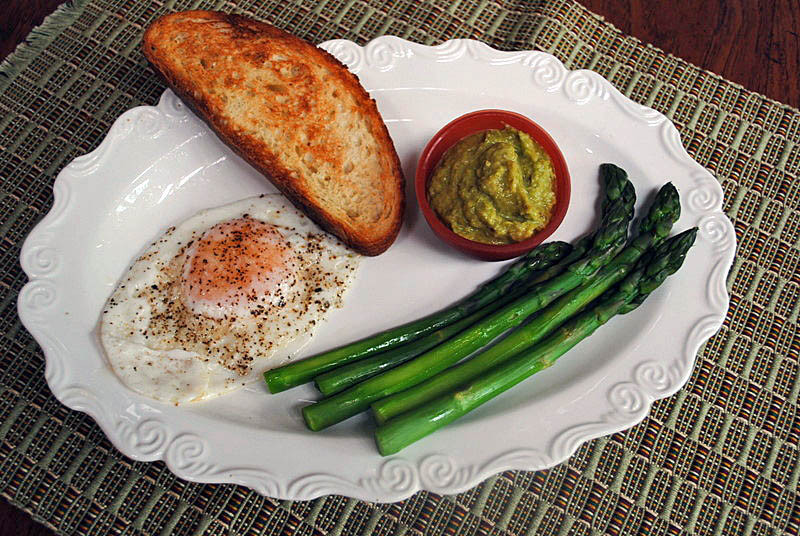
ASPARAGUS ON ASPARAGUS
aspONasp

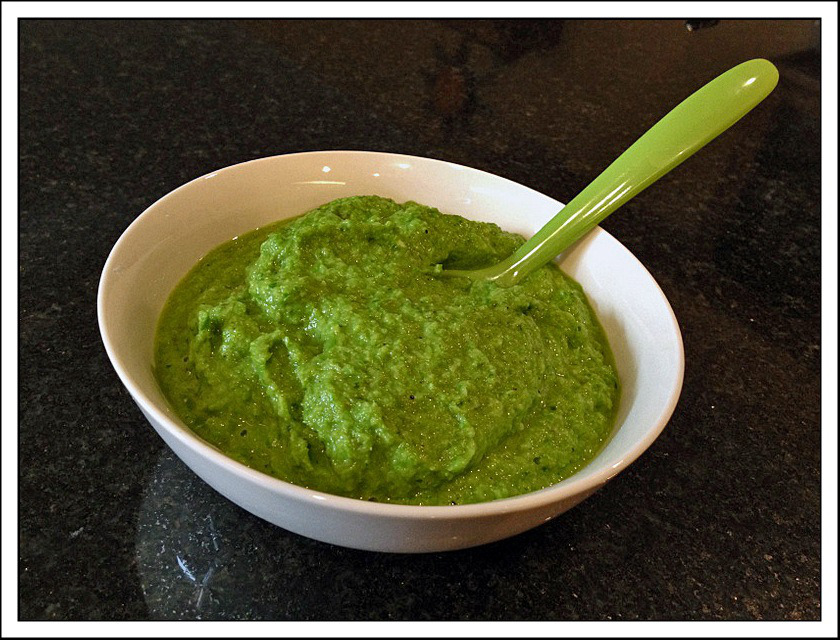
ASPARAGUS PESTO
AspPesto

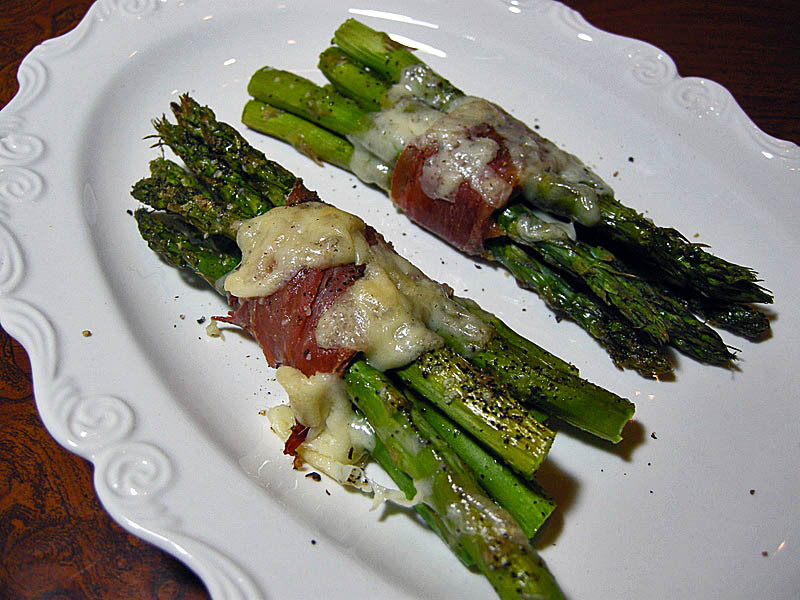
ASPARAGUS BUNDLES WITH PROSCIUTTO AND CHEESE
AspBundles

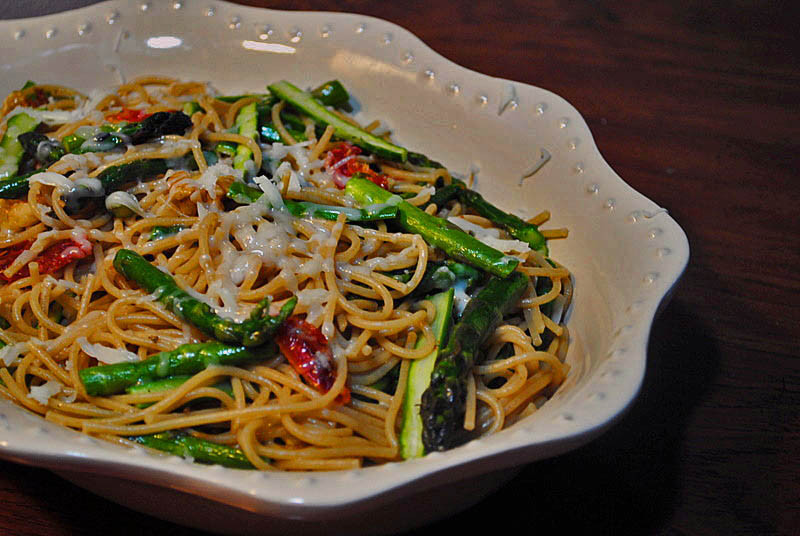
SPRING PASTA
SpringPasta

SHAVED ASPARAGUS SALAD
ShavedAsp

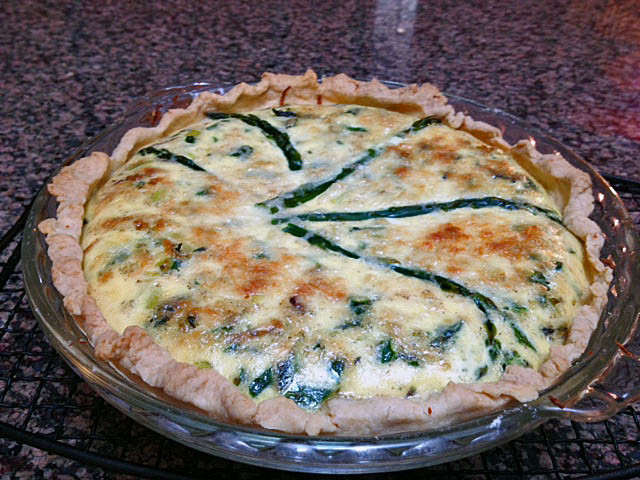
SPRING ASPARAGUS QUICHEQuiche

LEMONY ASPARAGUS
lemony

PASTA WITH ASPARAGUS COINS AND TOMATOES
coins

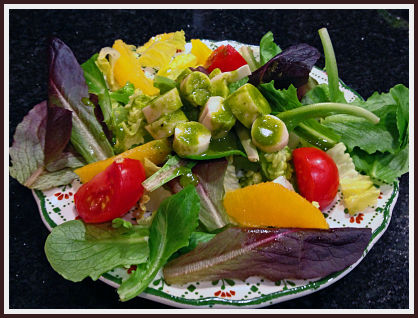
HEARTS OF PALM SALAD WITH CILANTRO VINAIGRETTE

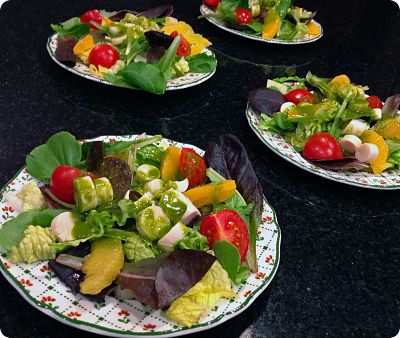
Cilantro haters better quit reading right away!  This is a salad for those of us who can take this gorgeous herb in all its green glory…   Very tropical, very Brazilian with the addition of hearts of palm and oranges.

served1_opt

HEARTS OF PALM SALAD WITH CILANTRO VINAIGRETTE
(adapted from Food and Wine magazine)

for the vinaigrette
2/3 cup cilantro leaves
1 tablespoon finely chopped shallot
3 tablespoons fresh lemon juice
1 tablespoon red wine vinegar
2 teaspoons honey
1/2 cup extra-virgin olive oil
Salt and freshly ground pepper

for the salad
baby romaine lettuce leaves
campari tomatoes, quartered
orange segments
hearts of palm, sliced

Add the cilantro leaves, shallots, lemon juice, vinegar, and honey into a blender. Process until very smooth.  With the blender running, slowly add the olive oil. Season with salt and pepper. Reserve.

Assemble the salad on individual plates, making a bed of lettuce leaves, adding tomatoes and orange segments on top. Place the hearts of palm slices in the center, drizzle the vinaigrette all over. You should have vinaigrette leftover; it keeps well in the fridge for a few days.

ENJOY!

to print the recipe, click here

Comments:  When we have friends over for dinner, we normally bring the food to the table and let the guests serve themselves. I like informal. But, for this salad I opened an exception, and pre-assembled four individual servings. I wanted to highlight the hearts of palm, and make sure they would shine at the center, lightly covered by the bright green vinaigrette.  I loved the way the plates stood up waiting over the black granite, colorful, bright, as if calling for an early spring…  What am I saying? Spring can never be too early! 😉

party_opt

ONE YEAR AGO: Watercress Salad

TWO YEARS AGO: Curried Zucchini Soup

THREE YEARS AGO: Chocolate Bread

BROCCOLI-WALNUT SOUFFLE FROM A SPECIAL COOKBOOK

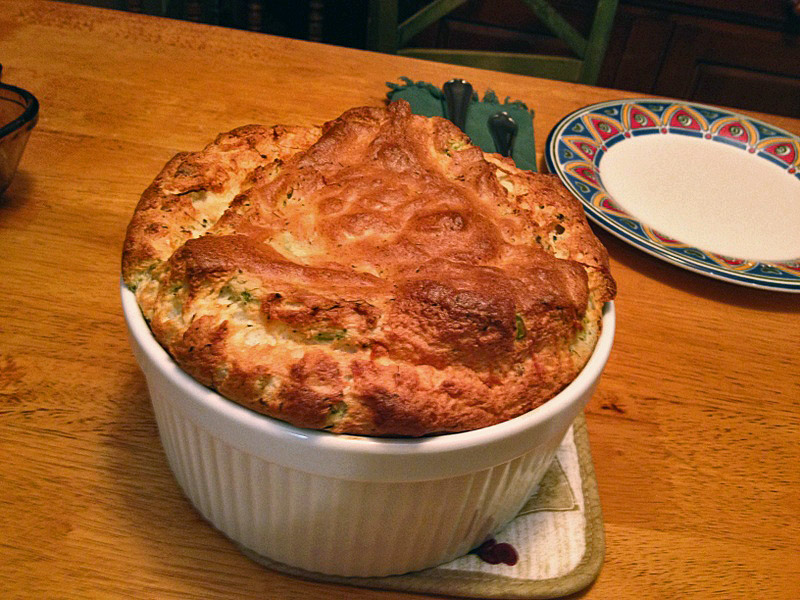
served1Last month I got a wonderful gift from Fer, my virtual friend who hosts the blog “Chucrute com Salsicha“.   She sent me a cookbook:  The Vegetarian Epicure Book Two, written by Anna Thomas.  Anna’s family was originally from Poland, but she was born in Germany, and moved to the US as a young child. While in college at film school in UCLA, she wrote a masterpiece of a cookbook, The Vegetarian Epicure, at a time when avoiding meat was not very common.  I enjoyed my gift so much that I could not resist getting her most recent book, Love Soup. It will have a special spot in our home, as the first cookbook I bought this year. By exercising considerable restraint, I lasted through the first week of February. I certainly make  my readers proud!  ;-)Fer’s thoughtful gift arrived at our doorstep on a Thursday.  Forty eight hours later, we enjoyed this very delicious souffle.

BROCCOLI-WALNUT SOUFFLE
(reprinted with permission from Anna Thomas)
Original recipe in  The Vegetarian Epicure Book 2, published by Alfred Knopf, New York, 1988

4 Tbs butter
4 Tbs flour
1 + 1/2 cup hot milk
5 egg yolks
1 + 1/2 cups chopped cooked broccoli
1/2 cup finely chopped walnuts (I lightly toasted them first)
2 Tbs minced onions
2 Tbs grated Parmigiano cheese
1/2 tsp salt, ground black pepper to taste
7 egg whites
pinch of cream of tartar

Butter a 2-quart souffle dish and tie a buttered “collar” made of parchment paper if you want (I omitted this step).

Melt the butter in a saucepan and stir in the flour. Cook the roux over medium heat for a minute or two, stirring constantly. Then add the hot milk and stir with a whisk as the sauce thickens.

When the sauce is smooth, remove it from the heat and whisk in the egg yolks, one by one. Then add the cooked broccoli, the walnuts, the onions, and the cheese. Stir well and season with salt and pepper.

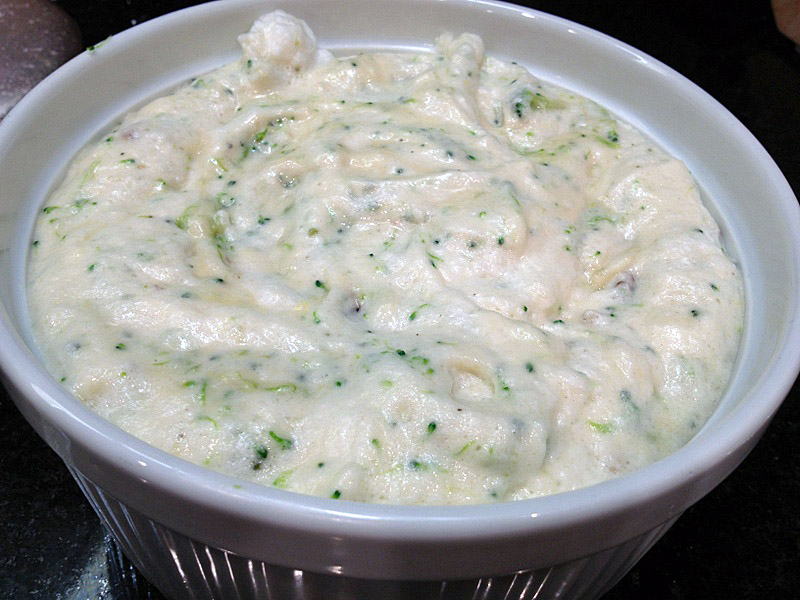
In another bowl, add a pinch of cream of tartar to the egg whites and beat them with a clean whisk or beater until they are stiff enough to form peaks.  Stir about 1 cup of the beaten egg whites into the warm sauce. Now add the remaining egg whites and gently fold them in, making sure not to lose the air incorporated into it.

Pile the souffle into the prepared dish, place it in the middle of a 375 F oven, and bake it for 40 to 45 minutes.

Serve immediately. Remember, a souffle waits for no one…  😉

ENJOY!

to print the recipe, click here

before

Comments: We always alternate cooking days. One day I’m in charge, the other day it’s Phil.  That Saturday, mid-afternoon, Phil looks at me and asks “Am I cooking tonight?”  Before I could answer, he remembered that no, it would be me.  He quickly changed the question to “What are we having tonight?”  I tried to be as nonchalant as possible, “We are having a souffle“.    Oh, the big smile that I love so much!  But, how could a souffle not bring a smile?  It makes any meal special…

This version is heartier than your regular cheese souffle, with the broccoli and the nuts.  It is satisfying, creamy, and delicious to the last bite!  It won’t rise as lightly as a cheese-only, as the eggs need  to carry heavier stuff with them. But, what it might lack in airy nature, it compensates with flavor.   I think it is wonderful as a full meal, served with a salad and a piece of bread.  But, if you absolutely must have some  meat with it,  a simple roast chicken will do.  French home-cooking at its best!

Double thank you is in order:  Fer, thanks for sending me this book, and Anna, thank you for your kind emails, and giving me permission to publish your recipe in my blog!  Your Love Soup is such a great book, I already have 5 or 6 recipes fighting to be prepared first… 😉

ONE YEAR AGO: Voila’ les baguettes!

TWO YEARS AGO: Cornmeal English Muffins

THREE YEARS AGO: Butterflied Cornish hens with apricot-pistachio dressing