KINPIRA GOBO AND JAPANESE HOME COOKING

burdock2_opt

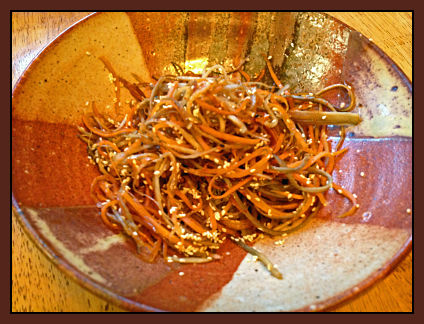
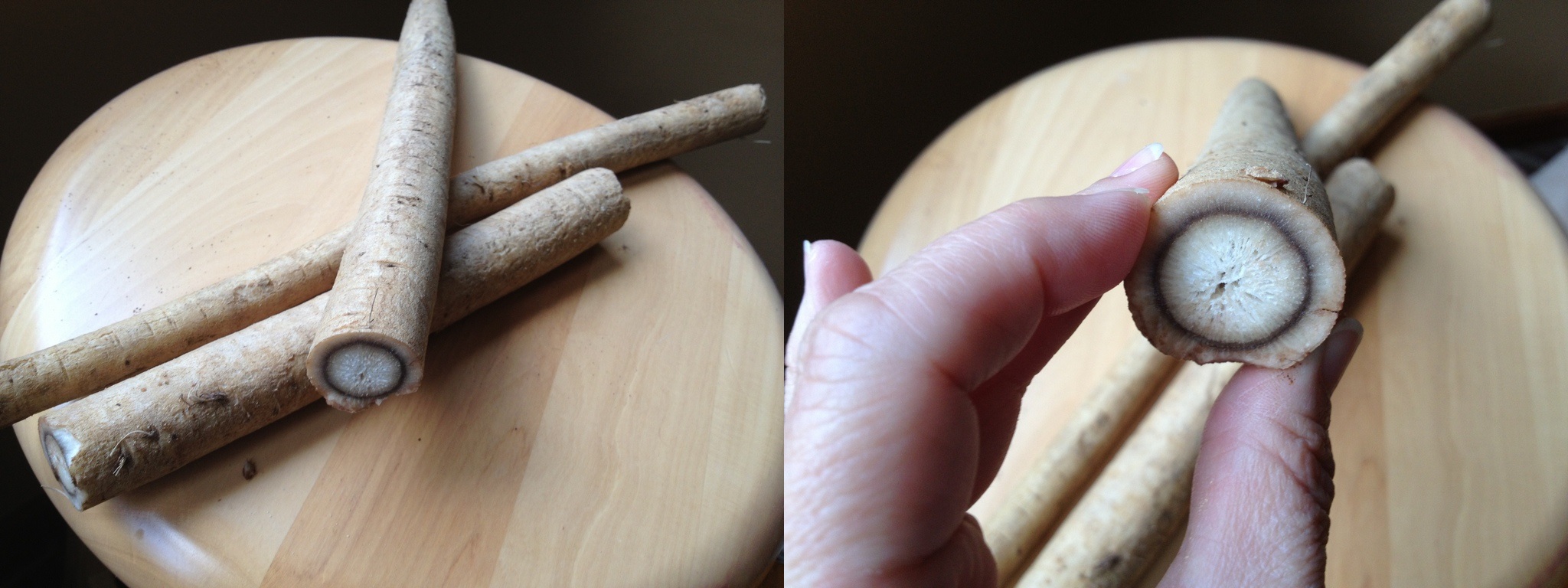
Of all types of cuisine, Japanese is the one that intimidates me the most. Making sushi at home is out of the question for me, but even other types of Japanese cooking give me pause.  In a recent trip to California, we met a wonderful couple who takes a different approach: they are both Americans, but mostly cook Japanese food at home and are really serious about it.  Their bookshelves are loaded with cookbooks devoted to Oriental (and vegetarian) cooking, their pantry stocked with the most exotic ingredients.  They mentioned a dish they love so much that it’s not uncommon to have it twice in the same week.   It uses a strange-looking root called “gobo“, also known as “burdock“.   They gave me the perfect spice mix to season this traditional Japanese dish (see my previous post) and wished me luck finding gobo in Manhattan, KS.   I was very optimistic, though. It turns out “The Little Apple” is home to one of the most amazing food stores I’ve ever been to, called quite simply “Asian Market“.    I could not wait to get there to search for the elusive root.  Not only they had a ton of it, but the owner said it’s always in stock.   Call me a happy camper. And call this dinner one of the healthiest meals I’ve ever put together.   And very delicious too!
served1

KINPIRA GOBO (Sautéed Burdock)
(adapted from Hiroko Urakami Japanese Family-Style Recipes)

1 medium gobo root
2 carrots
1 Tablespoon sesame oil
1/2 Tablespoon grape seed oil
2 Tablespoons mirin (or sake)
1 + 1/2 Tablespoons sugar
2 Tablespoons soy sauce
1 + 1/2 Tablespoons sesame seeds, toasted
Nanami togarashi to taste

Set up a large bowl with cold water. Peel the carrots and cut in julienne strips. Peel the outer dark skin of the gobo root, and working quickly, cut it in julienne strips.  Soak the gobo and the carrots in water for 10 to 20 minutes.  Drain well, and dry the strips using a kitchen towel.

Heat the sesame and grape seed oil on a large skillet.  Add the carrots and gobo root, and sautée them together for about 4 minutes, until they are tender.  Add the mirin, sugar, and soy sauce, and cook over medium heat until all the liquid has been absorbed.  Transfer to a serving bowl, add the sesame seeds and the nanami togarashi right before serving.

ENJOY!

to print the recipe, click here
composite

I have a bit of  trivia about gobo for you:  in the 40’s, a Swiss inventor called George de Mestral was walking his dog through some woods and noticed that the seeds of a particular plant glued to everything, from his clothes to his dog’s fur. He collected some seeds, and inspected them under the microscope. He was amazed by its hooks and loops, and thought that it could be the basis of a new material. From that observation, Velcro was born.  The plant was burdock. Apart from its technological impact, gobo is considered by the Japanese as one of the healthiest types of food, that they claim to “purify the blood”.   It contains a lot of minerals (including iron),  it is high in fiber, low in calories, and has a very unique taste.  The soaking in water is necessary to get rid of tannins that can give it a harsh taste.
soakingI love to find a new ingredient to play with!   Our kinpira gobo was served as a side dish for boneless chicken thighs on the grill (marinated with yogurt and a few spices), snow peas, and brown rice.  It was the type of meal that makes you feel healthier with each bite.  I hope you can find some gobo and give this recipe a try, it’s a keeper…  😉

ONE YEAR AGO: Walnut Sourdough

TWO YEARS AGO: Thai Chicken Curry

THREE YEARS AGO: Zen and the art of risotto

WHOLE-WHEAT PASTA WITH LEMONY TOMATOES AND SPINACH

Every once in a while I read an article that excites me from the very first phrase. This essay on the state of restaurant dishes, from the latest issue of Bon Appetit, is one such piece.   It expresses  the sense of frustration I sometimes feel when we visit a nice restaurant and have a hard time finding a meal that’s not overly rich.  And that includes the salads!  😉 These days the safest option for a meal out – if we want to still feel great 4 hours later –  is a Japanese restaurant.  But, enough complaining, this pasta typifies the cooking we like the most.  Light in fat, full of flavor, and quick to put together!

served

WHOLE-WHEAT PASTA WITH LEMONY TOMATOES AND SPINACH
(from the Bewitching Kitchen)

Whole-wheat spaghetti (enough for two people)
1 cup red grape tomatoes
1 cup yellow grape tomatoes
1 Tablespoon olive oil
salt and pepper
zest and juice of 1 lemon
big bunch of baby spinach, coarsely chopped

Cut each tomato in half, place in a large bowl and add the olive oil, shaking the bowl to uniformly coat the tomatoes.  Spread them in a large baking sheet, season with salt and pepper, and roast at 420F for 25-30 minutes, until their skin starts to develop a brown color, and they release liquid.  Reserve.

Boil salted water to cook the pasta. When the pasta is almost ready, transfer the roasted tomatoes to a sautée pan on medium-high heat, making sure to include all the liquid released during roasting.   Add the spinach, squeeze the juice of the lemon all over, and cover the pan until the spinach starts to wilt.

Reserve some of the pasta cooking liquid, drain the pasta, and add it to the spinach and tomato mixture.  Cook everything together for a couple of minutes, if needed add some of the pasta cooking water. Adjust the seasoning with salt and pepper, and right before serving add a very generous amount of lemon zest all over it.

ENJOY!

to print the recipe, click here

Comments:  We absolutely loved this pasta!  The lemon zest is a key ingredient, don’t skip it.   You’ll notice I didn’t add any garlic, onions, or herbs.  This dish is all about the tomatoes and spinach, with the intense citric tone in the background.  Phil and I were talking the other day about how we prefer food prepared in a simpler way.  Of course, if I’m making a curry I will need to grab a good number of spices, it’s part of the deal…  But, we find something pleasing about allowing the ingredients to shine, rather than the spices.  In this case, to savor the tomatoes, the spinach and the pasta itself.

This dish was simultaneously satisfying and light.  Next day it made for a wonderful lunch, and I even confess to eating it cold from the refrigerator…   Impromptu Pasta Salad!

ONE YEAR AGO: Blood Orange Duck: A work in progress

TWO YEARS AGO: Grilled Mahi-mahi with citrus marinade

THREE YEARS AGO: Memories of Pasteis (and my Dad)

EVERYBODY LOVES CARROTS!

And to prove my point, a photo straight from one of my favorite websites, Dogshaming.com (published with permission)

Carrots Phil and I try to eat a varied diet.  We don’t exclude fats or  carbs, only moderate the intake of overly caloric stuff. Over the years we made some changes in our nutrition that we follow as strictly as possible.  We do the seafood at least once a week, often more.  We limit red meat to once a week. We save desserts for special occasions. Recently we decided to increase our consumption of carrots. Our goal is to have them as a side dish twice/week. Carrots are a fantastic source of beta-carotene, a compound that is metabolized into vitamin A and retinal in humans and other vertebrates. Retinal (vitamin A-aldehyde), is a key compound in the vision process.  Interestingly, carotenes are poorly absorbed from raw carrots. For optimal absorption, the carrots should be cooked, and preferably consumed with a little oil, as carotenes are oil-soluble.  I am sure the cute dog above compensates the poor absorption by maximizing uptake and grabbing each root available in the backyard…   😉  This recipe solves the problems for H.sapiens, as the carrots are roasted with a bit of olive oil. Plus, to pump the “good-for-you” index even further, they are mixed with pomegranates, themselves chock full of nutrients.  Interestingly enough, did you know that both carrots and pomegranates originated in Afghanistan?  That may be why they go so well together!

served1

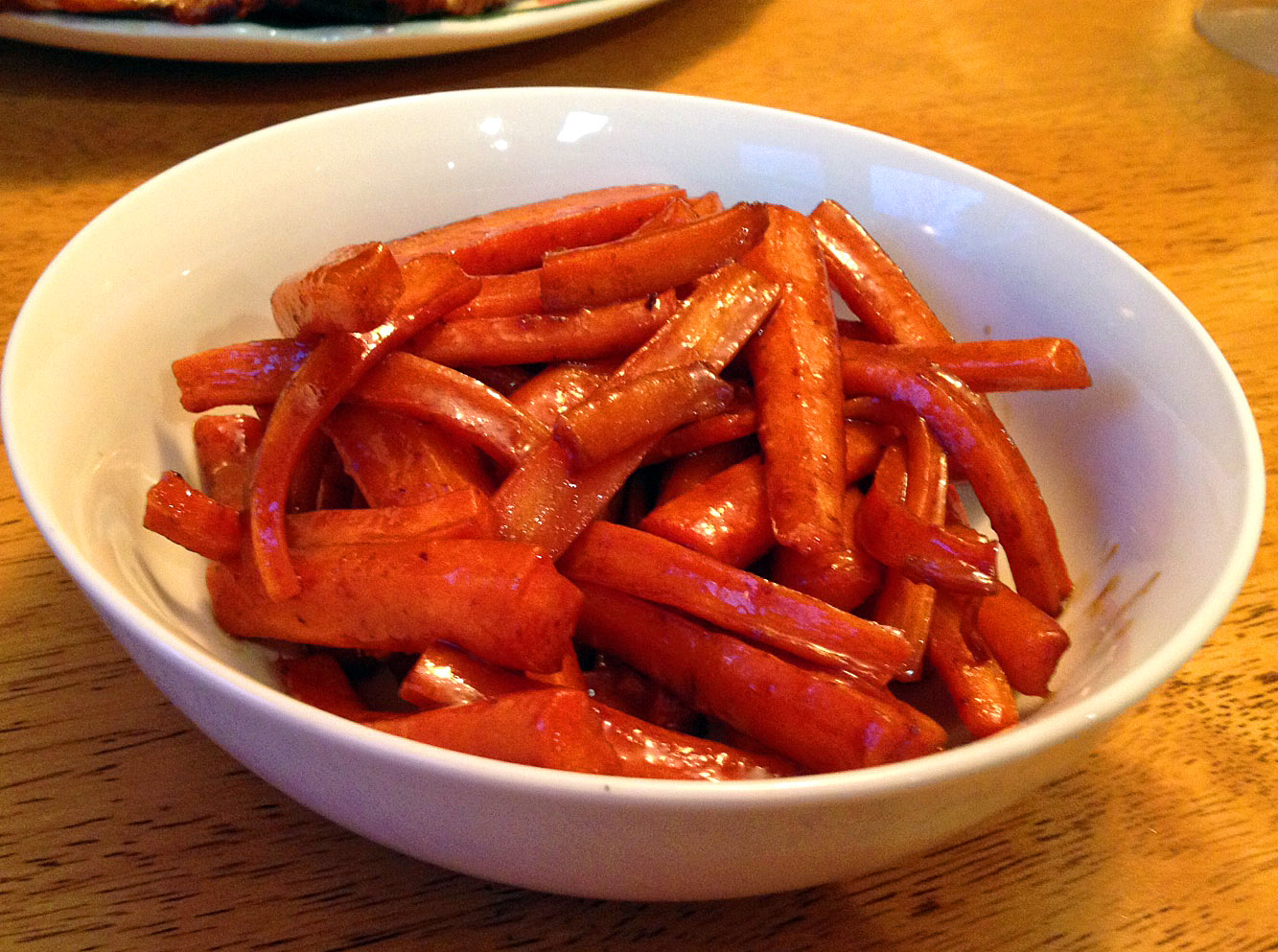
POMEGRANATE MOLASSES GLAZED CARROTS
(adapted from Bon Appetit)

8 carrots (any color), halved lengthwise, cut crosswise into 2-inch pieces
1 tablespoons olive oil
Salt and freshly ground black pepper
1 tablespoon honey
1 tablespoon pomegranate molasses

Heat oven to 425°. Combine carrots and oil in a medium bowl. Season with salt and pepper and toss to coat. Transfer to a rimmed baking sheet, spreading out in an even layer. Clean any excess oil left in the bowl and reserve it. Roast carrots, turning occasionally, until just tender, 12-15 minutes. Meanwhile, whisk honey and pomegranate molasses to blend in reserved bowl.

Transfer carrots to bowl with honey mixture; toss to coat well and spread out on baking sheet, scraping out any remaining glaze from bowl. Roast  until glaze is reduced and sticky and beginning to brown in spots, 5-8 minutes longer.

ENJOY!

to print the recipe, click here

I loved this recipe not only for its flavor, but also its simplicity.  At first, I thought that the honey would make it overly sweet, because molasses sound sweet enough to start with. Not the case. The pomegranate component of the molasses wins the battle and the honey is needed to compensate its sharpness.  Since the final roasting takes less than 10 minutes, you can pre-roast the carrots in advance, and finish the dish right before sitting down to eat. I am all for easy during weeknights.

Note to self: make a lot more carrots than you think you’ll need. Yeah, they are that good…  😉

Note to readers:  if you are a dog lover and have not been introduced to Dogshaming.com,  make sure to stop by.  My day is not complete without a visit!

ONE YEAR AGO: Codruta’s Rolled Oat Sourdough Bread

TWO YEARS AGO: Roasted Corn and Tomato Risotto

THREE YEARS AGO: Light Rye Bread

SPRING HAS SPRUNG!

To welcome one of my favorite seasons, a flash-back of recipes featuring one of my favorite veggies: asparagus!   Click on the title to see the original post.


(this post will be published during my trip to Brazil, in case of problems with links, I won´t be able to fix them until we are back)

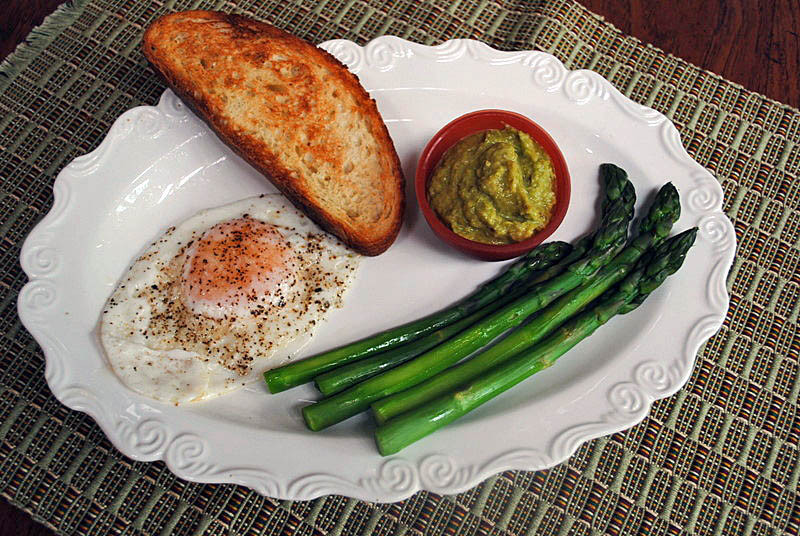
ASPARAGUS ON ASPARAGUS
aspONasp

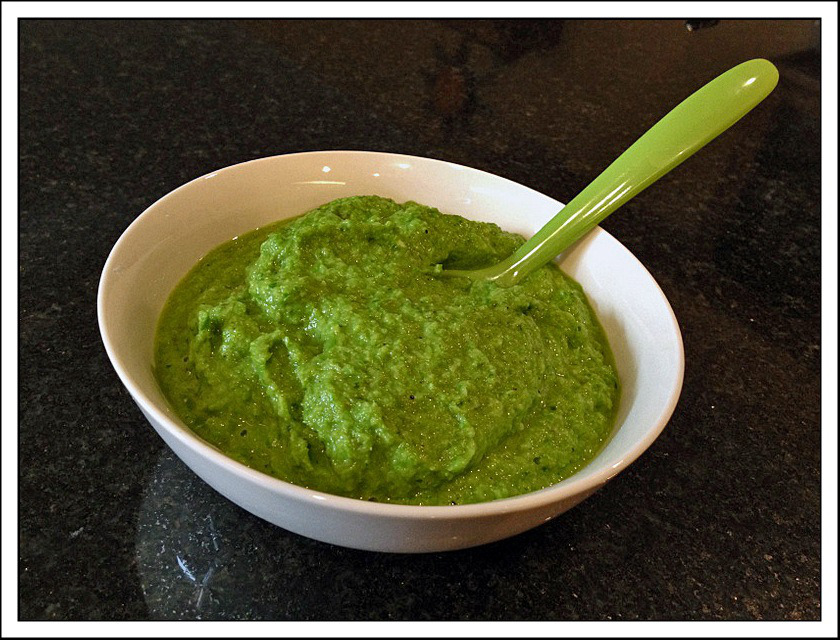
ASPARAGUS PESTO
AspPesto

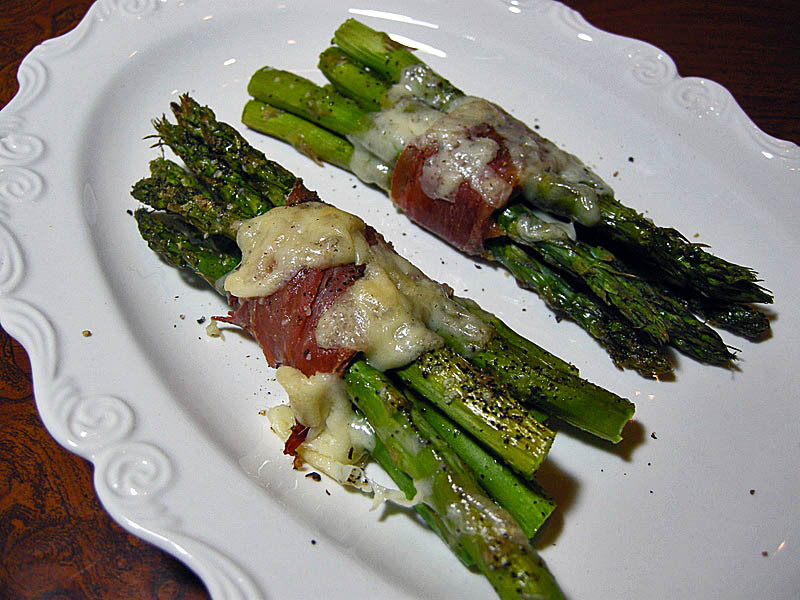
ASPARAGUS BUNDLES WITH PROSCIUTTO AND CHEESE
AspBundles

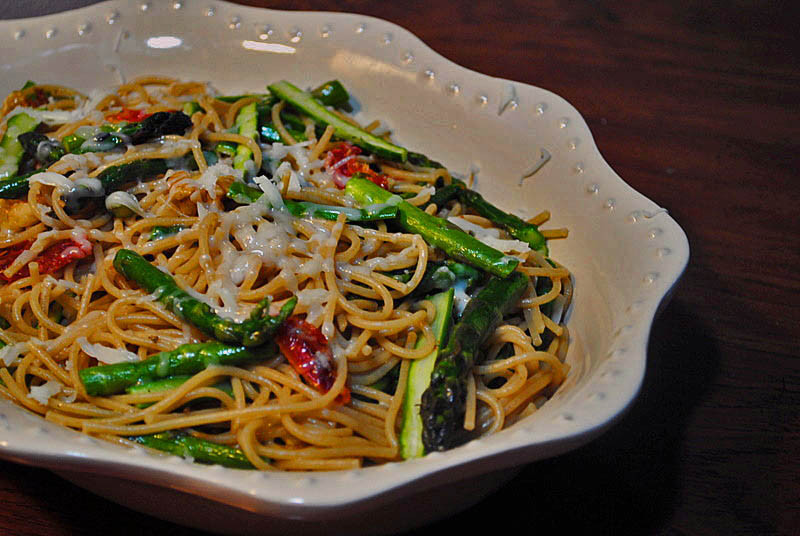
SPRING PASTA
SpringPasta

SHAVED ASPARAGUS SALAD
ShavedAsp

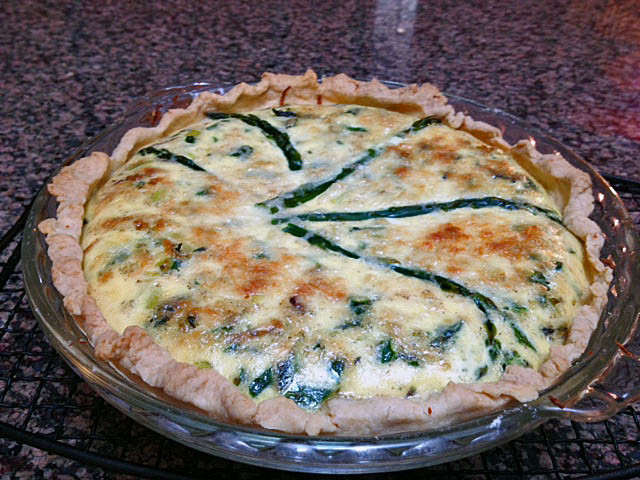
SPRING ASPARAGUS QUICHEQuiche

LEMONY ASPARAGUS
lemony

PASTA WITH ASPARAGUS COINS AND TOMATOES
coins

FARRO SALAD WITH ROASTED LEEKS

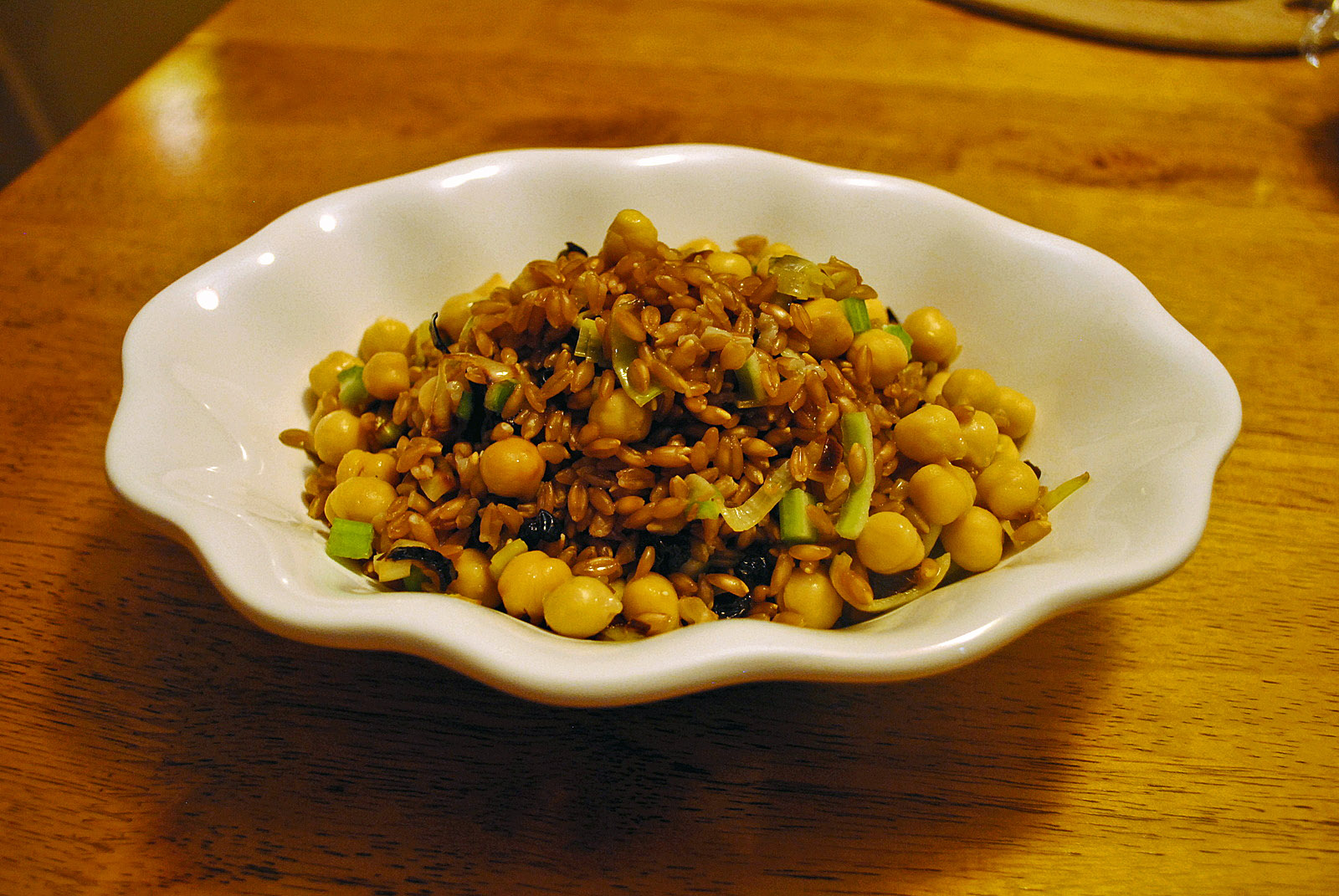
I suppose this could go to my “work in progress” folder.  But, Phil liked it exactly this way, so I decided to share the recipe adding possible tweaks in the comments.  One important thing to mention: although this is a salad, it’s equally good served warm. Those of you still in sub-zero temperatures and avoiding even to glance at a salad plate don’t need to shy away from it. In fact, we enjoyed it hot on the first day piled up next to a  juicy flank steak, grilled medium-rare. Comme il faut...  😉

served5_opt

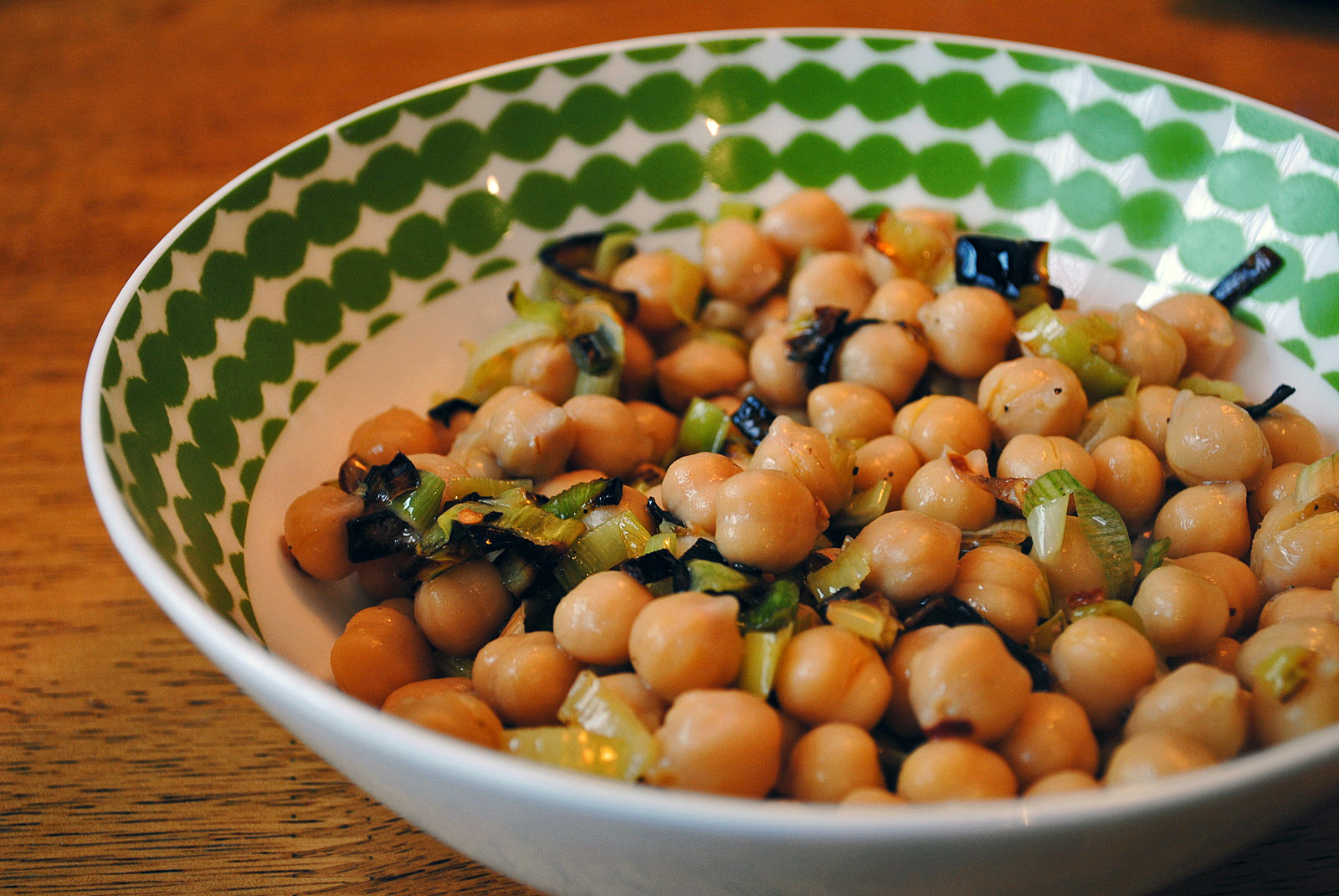
FARRO SALAD WITH LEEKS, CHICKPEAS AND CURRANTS
(adapted from The New York Times

2 large leeks, halved lengthwise, cleaned and sliced crosswise 1/4-inch thick
1 Tablespoon olive oil + 1/8 cup, divided
1 teaspoon salt, more to taste
1/2 teaspoon black pepper
1 can of chickpeas, drained (15 oz)
juice and zest of 1 lemon
1/4 teaspoon crushed red chile flakes
1 cup dry farro
1/3 cup dried currants
2 celery stalks, diced

Heat oven to 425 degrees. Using a large rimmed baking sheet, toss leeks with 1 tablespoon of oil, 1 teaspoon salt and 1/2 teaspoon pepper. Spread leeks out in a single layer  and roast, tossing frequently, until golden brown and crisp at the edges, about 20 minutes.

Drain the chickpeas and add them to a pot with boiling water for a couple of seconds. Drain again, dry well.  In a large bowl, toss leeks with chickpeas, lemon juice and zest,  chile flakes and salt to taste. Stir in 1/8 cup olive oil.  Let marinate while you prepare the farro.

In a large pot of salted boiling water, cook farro until tender, about 25 minutes. Drain well. Toss with chickpeas mixture. Stir in currants and diced celery. Taste and add more salt or lemon if needed. Serve warm or at room temperature.

ENJOY!

to print the recipe, click here

marinating

Comments: The original recipe was written for 2 cups of farro, definitely too much for the two of us.  I halved the recipe, keeping all ingredients in the same proportion, but considerably reducing the olive oil. I was shocked to see the amount called for in the recipe. For two cups of dried farro, they used 2/3 cup of olive oil in the dressing.  Keep in mind that 1/4 cup had already been poured just to roast the leeks. It amounts to 1,700 calories (> 800 for half the recipe) just in the oil component!   Thanks, but no thanks.  I used a tiny amount of oil to roast the leeks, and only 1/8 cup for the whole dressing.   If you like your salad heavier on the oil, I suggest drizzling some more at the very end, before serving.

Now my possible modifications for a future version.  I think raisins would have been better than currants.  And, for my personal taste, the roasted leeks overpowered the dish.  When I make it again, I will use raisins, increase the amount of celery, and reduce the amount of leeks.  That will be a real winner for me.

served1

ONE YEAR AGO: Watercress Salad

TWO YEARS AGO: Carrot and Sweet Potato Puree’

THREE YEARS AGO: Croissants: Paris at home on a special day