A SMASHING PAIR

No, I am not talking about Phil and I, although the thought crossed my mind…  It is actually a quote from my newest cookbook:

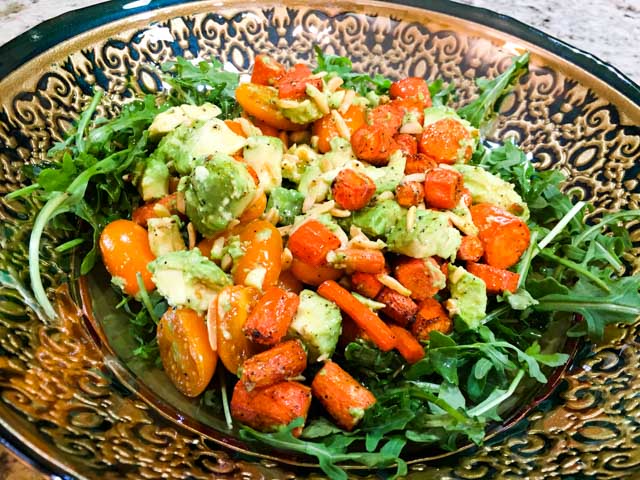
Have you tried roasted carrots and avocados together?
What a smashing pair!

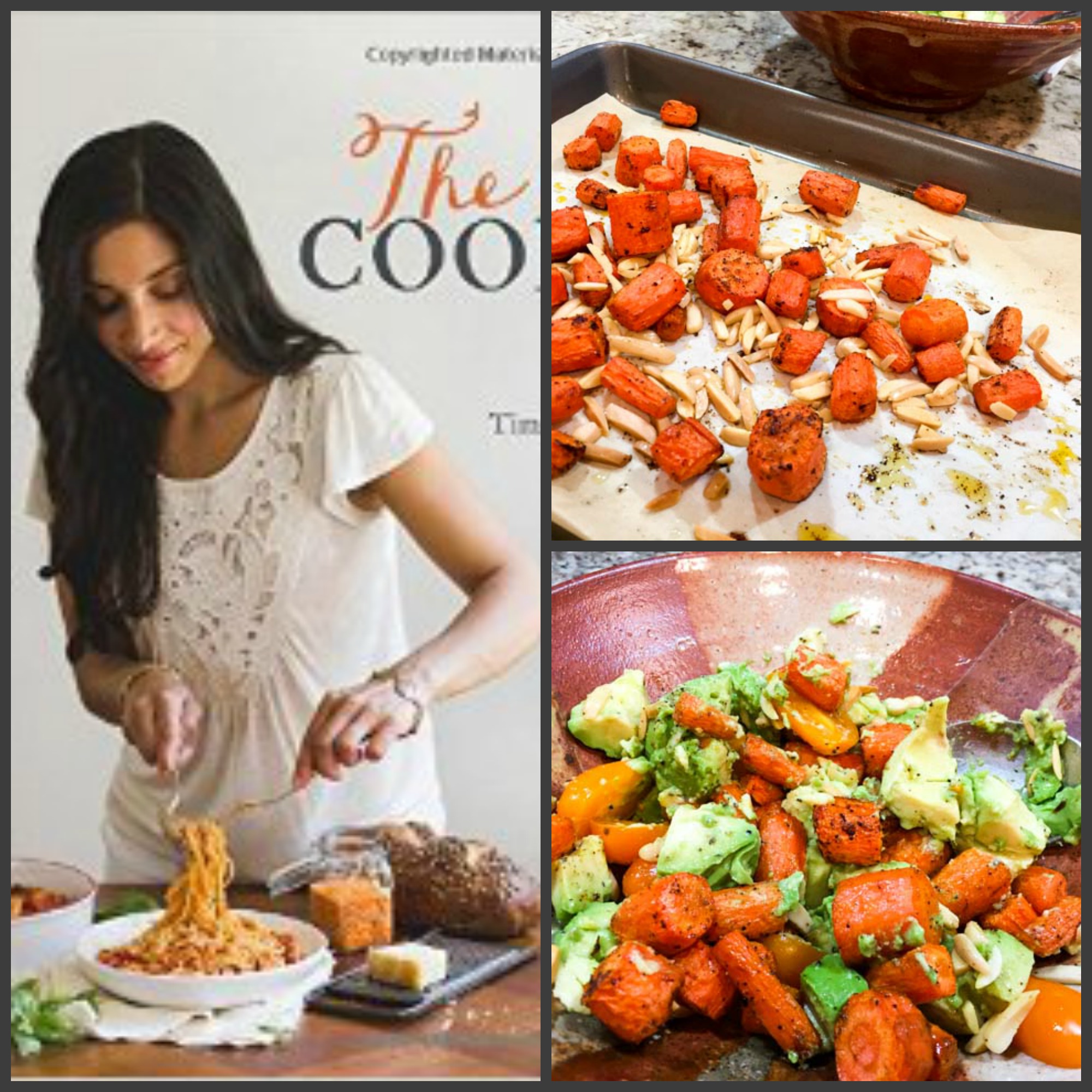
I don’t think I ever thought of mixing carrots with avocados, but the other day a simple email with notification of a new post by Kelly arrived, and I dropped everything I was doing to check it out. She shared the recipe for a gorgeous quinoa concoction found in  “The Clever Cookbook.”  Cute name, almost as cute as the blog hosted by the author, Emilie: The Clever Carrot. I can see you’re smiling now, it’s impossible not to smile at the name. I need another cookbook as I need a third eye, but my will power for certain temptations is non-existent. I don’t even try to put up a fight anymore, just go to amazon and get the job done.  Ordering the Kindle version minimizes the amount of guilt, in case you are wondering how I deal with my weaknesses.

That night I laid in bed for a long time reading the book,  and could not wait to make this salad, because who could resist getting acquainted with a smashing pair? Less than 24 hours later the salad was part of our dinner, and it was a tremendous success!  I urge you to try it too. I modified the recipe a bit, but you can find Emilie’s original in her book,  which by the way is a total delight! You need to have it, so don’t even bother resisting.

Spice Roasted Carrot and Avocado Salad

SPICE-ROASTED CARROT AND AVOCADO SALAD
(adapted from The Clever Cookbook)
printed with permission from Emilie Raffa)

4 medium carrots, peeled and cut into 1-inch pieces
1 tbsp olive oil, plus more for drizzling
1 heaped tsp Southwest spice blend (I used Penzey’s)
1/4 cup slivered almonds
a few yellow grape tomatoes, halved
1 ripe Hass avocado
Juice of ½ lemon
Pinch of salt
arugula leaves

Heat your oven to 425 ° F. Line a rimmed baking sheet with parchment paper. Place the carrots in a large bowl. Add the olive oil and sprinkle with Southwest spice, and a little salt. Toss well to coat. Spread the carrots out on your sheet pan. Roast for about 20 minutes, or until the carrots are caramelized and tender. In the final 5 minutes, add the slivered almonds on top. Remove from the oven, add the tomatoes.  Give it a good stir. Allow the mixture to cool slightly while you dice the avocado and drizzle the pieces with lemon juice to prevent browning.

Add the avocados to the carrots, and toss gently to combine. Place the mixture on top of arugula leaves on a serving bowl, drizzle olive oil and some more lemon juice, adjust seasoning with salt. Toss very gently and serve at room temperature.

ENJOY!

to print the recipe, click here


clevercookbookcomp

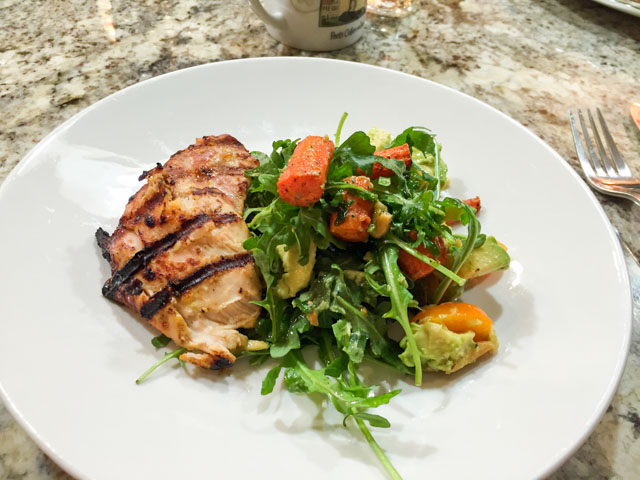
Comments: Talk about a delicious dinner! It’s not everyday that a salad draws enthusiastic compliments from my beloved husband. We both went crazy for this one, and Phil in particular thought that the grilled chicken was a perfect match, making the meal worthy of a fancy French style bistrot. On a slight tangent: the chicken was super simple.  I marinated boneless, skinless chicken thighs early in the morning in a mixture of yogurt,  a touch of olive oil, lemon juice, paprika and turmeric. A smidgen of agave nectar just because. When it was time for dinner, I scraped the marinade off, seasoned the meat with salt and pepper, and grilled until done. The combination of sweet roasted carrots, the hint of spice, and the creaminess of the avocado was irresistible!

served
The salad has enough substance to stand proud on a fully vegetarian menu. Maybe paired with a hearty pasta dish, or next to crostini with mushrooms and cheese?  Or you can skip the greens and use the smashing mixture over grains such as farro or quinoa. Your call.

Emilie, thank you for allowing me to publish your recipe…
I must say you are absolutely right, roasted carrots and avocados are “a smashing pair!”

Now, a little bit about the book…

5118l1kcEiL._SX258_BO1,204,203,200_

The book is organized in a slightly unusual way. You won’t find chapters for Main Dishes, Appetizers, or even a particular kind of ingredient. Instead, her approach is to divide the book in strategies that make your life easier in the kitchen. For instance, the first chapter is called “Prep Ahead Vegetables”, and shows how if you invest a little time in prepping veggies they can help you out in many recipes. The chapter includes soups like 30 minute Broccoli and Feta Soup which immediately called my name.  The following chapter, “Back to Basics”  lists her “non-negotiable” items. Stuff that she always has around like toothpaste, chocolate, and the cell phone  (yeah, she is adorably witty). In that chapter, you’ll learn how to make her Triple Duty Chicken Stock, Basic Tomato Sauce, and Master Stir Fry Sauce. Well, you get the gist of it. A little investment of time to make batches of those, and cooking on a daily basis will be a breeze.   But my favorite chapter was one called “Process This.” Clever ways (it is a clever cookbook, after all) to use the food processor. I must try her Banana Cloud Cake included in the chapter, and the user-friendly No-Peel Butternut Squash Soup (sounds like a dream, right?).  Two other chapters that I was quite fond of: “Batch Cooked Grains” and “Freezer Marinades.” The Clever Cookbook is definitely one that will not sit collecting dust in your shelf.  If you are a busy person, with or without kids around, this book is a must-have. To order, follow this link. And while you are around the ordering process, go ahead and subscribe to Emilie’s blog too. I did, because I don’t want to miss her future culinary adventures…

Kelly, thanks for the heads up about Emilie’s cookbook and blog. Loved “meeting” her through you…

😉

ONE YEAR AGO: Spinach and Mushroom Stuffed Pork Tenderloin

TWO YEARS AGO: Crispy Chickpea and Caper Spaghetti

THREE YEARS AGO: Spring has Sprung!

FOUR YEARS AGO: Chickpea and Fire Roasted Tomato Soup

FIVE YEARS AGO: Double Asparagus Delight

SIX YEARS AGO:  Sun-dried Tomato and Feta Cheese Torte


POACHED WHITE ASPARAGUS WITH LEMON AND PISTACHIOS

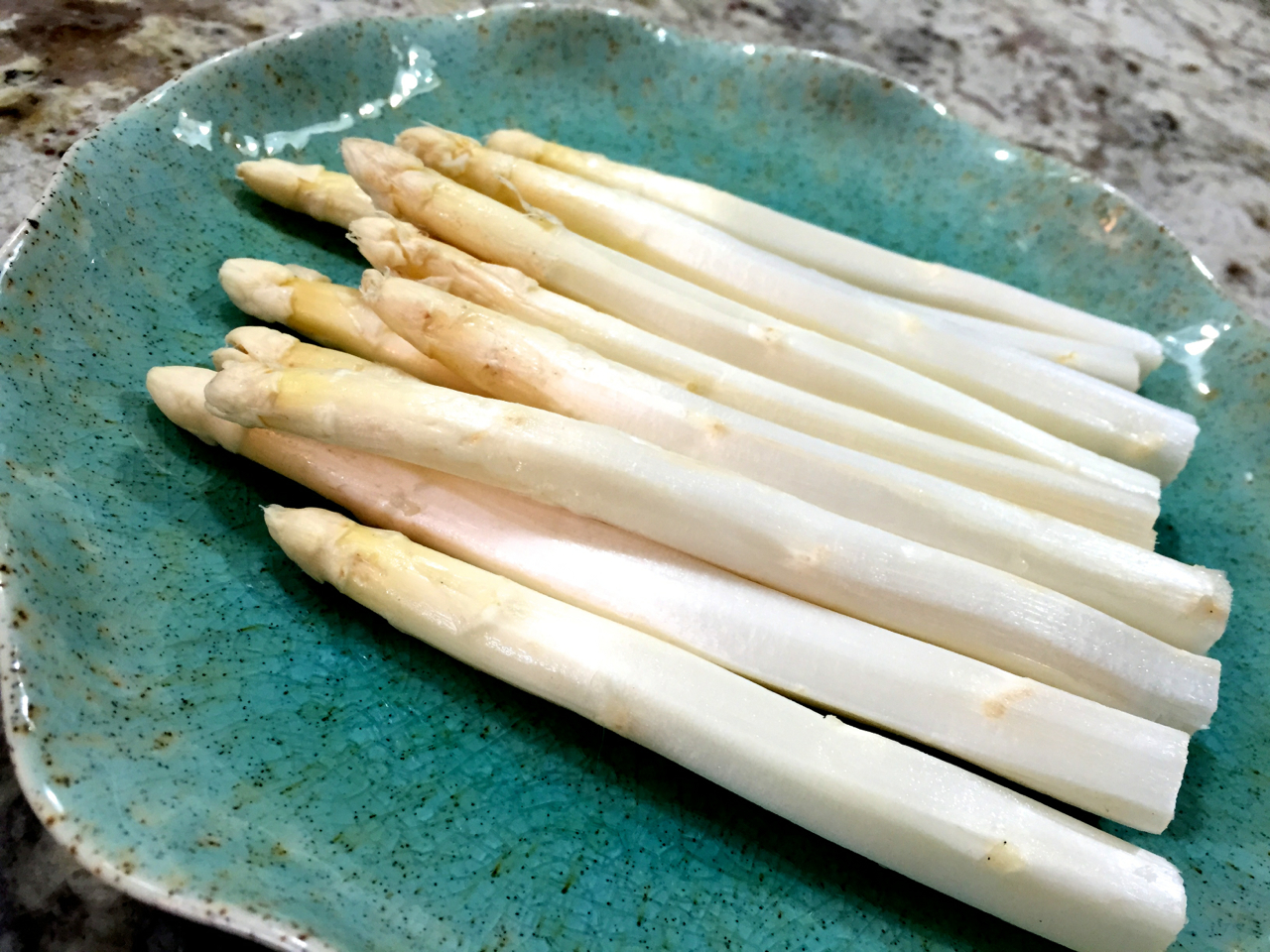
I have a cookbook recommendation for you: Rose Water and Orange Blossoms, by Maureen Abood, who runs a gorgeous food blog I’ve been following for a while. As I browsed through my Kindle version, I was surprised by the number of recipes I bookmarked, a feature I love in the Kindle reader, actually. Makes it so easy to go back to favorites. So I did that A LOT. I also love when a cookbook mixes just the right amount of prose. Don’t make each recipe a reason to pour your soul out and tell me all about your childhood and that of your close friends, but give me enough to dream about, to make me understand why that recipe is special for you, special enough that you chose to include in your cookbook.  Maureen does just that. The first recipe I made from her cookbook is simple yet very elegant. Poached white asparagus with pistachios. She used pistachio oil to drizzle the dish, I decided to go with my recent acquisition, a blood orange-infused olive oil.  I am quite fond of its color, a soft reddish tone, and I think the taste matched the white asparagus very well.

White Asparagus with Pistachios

POACHED WHITE ASPARAGUS WITH LEMON AND PISTACHIO OIL
(from the cookbook Rose Water and Orange Blossoms)
reprinted with permission from Maureen Abood

Makes 4 servings

1 pound / 450 g white asparagus
Juice of 1 lemon
1 teaspoon kosher salt
2 tablespoons shelled roasted, salted pistachios
4 teaspoons pistachio oil (I used blood orange infused olive oil)
Fine sea salt, to finish

Trim the asparagus by snapping the ends off at their natural break. Peel them from just beneath the tip to the end with a vegetable peeler. Cover the asparagus with water in a large sauté pan. Squeeze the lemon into the pan and add the teaspoon of salt.

Cover the pan and bring the water to a boil, and then reduce the heat to medium-low and simmer for about 20 minutes, or until a spear can be easily cut with a knife and fork. Drain and set the asparagus aside to cool. Remove the thin papery skin on each pistachio to reveal the bright green nut underneath by rubbing the skin off of each nut between your fingers and thumb. Coarsely chop the pistachios.

Divide the asparagus among four individual salad plates, or pile them, all facing the same direction, on a platter. Sprinkle the pistachios across the center of the asparagus crosswise, forming a line. Drizzle everything with pistachio oil, and finish with the sea salt.

ENJOY!

to print the recipe, click here

whiteasp

Comments: White asparagus will always make me think of a trip to Germany many years ago. We were living in Paris at the time, and went for a little scientific mission to a couple of cities in Germany. We arrived at the peak of asparagus season and one restaurant in particular had pretty much all dishes centered on them. I still remember a gratin of white asparagus and ham that blew my mind, it was superb! Until I got Maureen’s book, I confess to butchering my share of white asparagus when trying to cook them at home. It never occurred to me that these pale white creatures need to be treated differently from their siblings, the ones allowed to grow under full sun. Maureen gives two simple tips for success: peel them all the way from the bottom to the region right below the tips. And cook them gently but for a longer time. I was amazed at the difference these two little modifications brought to my culinary life.

rwob_cookbook

Now, back to Maureen’s book. So many dishes I want to cook from it, it’s not even funny…  Doesn’t “Flower Water Syrup” make you go in a dreamy daze? Many of her recipes are simple but join unexpected flavors, leaving you with that feeling of “why didn’t I think of that?” For instance, Warm Dates with Almonds and Lime Zest… I just know it will be an amazing recipe. Or… Tahini Avocado?  Za’atar Roasted Tomatoes? It all sounds perfect.  And to me, nothing is better than a great kibbeh, I love it. She shares her classic version of Baked Kibbeh, and one particular recipe I had a few times in Brazil and find spectacular: Yoghurt-Poached Kibbeh.  You may think it is strange, but trust me, it is the best kind. I guess I was lucky to grow up in São Paulo where we have many great Lebanese restaurants, some pretty close to the university where I studied. Still on the kibbeh front, Maureen offers several variations that were unknown to me: Fried Kibbeh with Mint Butter, Vegan Tomato Kibbeh, and Potato & Spinach Kibbeh. But I will tell you what will be my next recipe for sure: Whipped Hummus with Minced Lamb. One little tip she gives in that recipe is worth my weight in chickpeas. But I share no more. You will have to invite her book to join your collection, and that will be a very wise move. Go for it with a simple click here.

Maureen, thank you for allowing me to publish your recipe, and best of luck with your cookbook!

ONE YEAR AGO: Dan Lepard’s Saffron Bloomer

TWO YEARS AGO: Fesenjan & The New Persian Kitchen

THREE YEARS AGO: Quinoa Salad with Roasted Beets

FOUR YEARS AGO: Pasta Puttanesca

FIVE YEARS AGO: Miche Point-a-Calliere

SPRING HAS SPRUNG WITH SUZANNE GOIN!

Remember that decision of not getting new cookbooks in 2015? I am actually proud of myself because I arrived almost at the end of March without caving. Only one cookbook purchase, which at some point I will talk about here. However, the universe conspired against me. In a perverse turn of events a certain good friend of mine sent me not one, not two, but TWELVE cookbooks. I’ll now pause so that you can close your jaw and regain your composure. Better yet, they were in electronic format, so no trees were harmed. One of the gifts was Susanne Goin’s The A.O.C. Cookbook  which I fell in love with instantly. I do own her other book, Sunday Suppers at Lucques, and have been to that restaurant in Los Angeles twice during our sabbatical a few years ago.  The place has a wonderful vibe, and fantastic food with a country French feel centered on local ingredients.  I was not at all surprised by how much I loved the recipes she chose to feature in A.O.C. Plus, what a clever name for a wine bar, I definitely want to stop by next time we are in L.A.

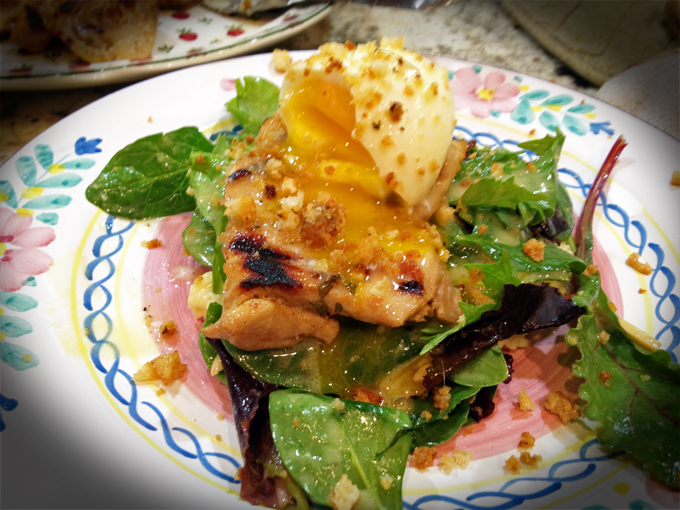
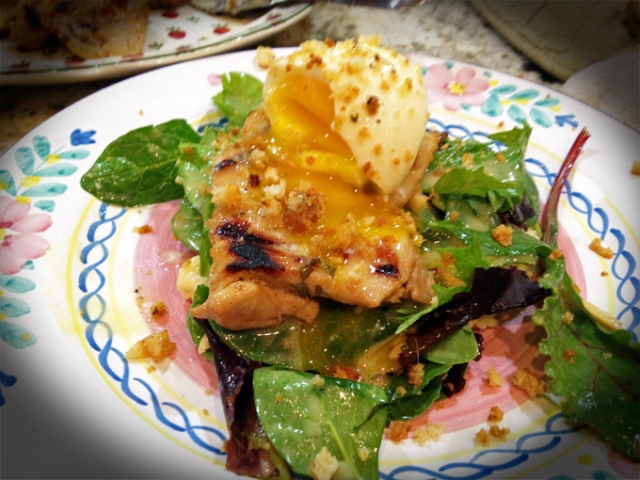
The recipe I chose to inaugurate the book perked my interest because it’s simple but at the same time quite sophisticated. The different components go together perfectly, the dish satisfies without being heavy, it’s all about balance, harmony, but with contrasting flavors and textures. I think it reflects well what Suzanne’s cooking is all about. Plus, it really looks like spring on a plate…  What could be more appropriate now?
Mustard Grilled Chicken AOC


MUSTARD-GRILLED CHICKEN WITH SPINACH, ALMONDS, PECORINO AND SOFT EGG
(slightly modified from Suzanne Goin’s A.O.C.)
(published with permission from Suzanne Goin & Random House LLC)

(for 6 servings)

2 tablespoons unsalted butter
½ cup finely diced shallots
1 teaspoon thyme leaves
½ cup dry vermouth
½ cup plus 1 tablespoon Dijon mustard
7 extra-large eggs
2 teaspoons chopped fresh tarragon
6 large chicken legs with thigh attached, boned
1 extra-large egg yolk
1½ tablespoons red-wine vinegar
1 lemon, for juicing
¾ cup plus 2 tablespoons extra-virgin olive oil
½ cup slivered almonds
6 ounces baby spinach, cleaned and dried  (I used a baby spring mix)

1 recipe Mustard Breadcrumbs

1 recipe Pecorino Pudding

½ cup grated pecorino
Kosher salt and freshly ground black pepper

Heat the oven to 375°F.

For the chicken marinade, heat a small sauté pan over medium heat for 1 minute. Swirl in the butter, and when it foams, add the diced shallots and the thyme; sauté for about 2 minutes, until the shallots are translucent. Add the vermouth, and reduce by half. Transfer to a baking dish, and let cool a few minutes. Whisk in ½ cup Dijon mustard, 1 egg, the chopped tarragon, and a pinch of black pepper.

Place the chicken legs between two pieces of plastic wrap, and pound them with a mallet to an even ½-inch thickness. Remove from the plastic wrap, and slather the chicken with the marinade, making sure to coat both sides well. Refrigerate for at least 4 hours.

Make the vinaigrette: Whisk the egg yolk in a small bowl with the remaining 1 tablespoon Dijon mustard, the red-wine vinegar, 1 tablespoon lemon juice, ½ teaspoon salt, and a pinch of pepper. Slowly whisk in ¾ cup olive oil. Thin the vinaigrette with 1 teaspoon water or more if needed. Taste for balance and seasoning.

Light the grill 30 to 40 minutes before you’re ready to cook the chicken and take the chicken out of the refrigerator to let it come to room temperature. Spread the almonds on a baking sheet, and toast in the oven for 4 to 5 minutes, until they’re lightly browned and smell nutty.

Meanwhile, carefully lower the remaining six eggs into a pot of boiling water. Cook for exactly 6 minutes, and cool immediately in a bowl of ice water. When the eggs have cooled, peel them.

Place the spinach, half the almonds, and half the breadcrumbs in a large bowl. When the grill is ready, place the soft-cooked eggs in the oven to heat up.

Drizzle the chicken with the remaining 2 tablespoons olive oil, and place it on the grill skin-side down. Cook for 4 to 5 minutes, rotating once or twice after a couple of minutes to get the skin crispy. (The chicken will stick to the grill at first, but it will eventually release.) When the skin side is nicely crisped, turn the chicken over, and cook for a few minutes on the other side, until it’s just cooked through.

Pour ½ cup of the mustard vinaigrette over the salad, and season with salt, pepper, and a squeeze of lemon. Toss well, and taste for balance and seasoning.

Spoon the hot pecorino pudding onto the center of six dinner plates. Arrange the spinach salad on top of the pudding, and place the chicken on top. Carefully balance an egg on top of each piece of chicken. Drizzle with ¼ cup mustard vinaigrette, and sprinkle the remaining almonds and breadcrumbs and the grated pecorino over the top.

MUSTARD BREADCRUMBS
1 cup fresh breadcrumbs
2 tablespoons unsalted butter
1 tablespoon Dijon mustard
1 teaspoon thyme leaves
1 teaspoon chopped flat-leaf parsley

Heat the oven to 375°F.

Place the breadcrumbs in a medium bowl. Heat a small sauté pan over medium heat for 1 minute. Add the butter, and when it foams, whisk in the mustard, thyme, and parsley. Remove from the heat, let cool for a few minutes, and then pour the mustard butter over the breadcrumbs, tossing to coat them well. Transfer the breadcrumbs to a baking sheet, and toast them for 10 to 12 minutes, stirring often, until they’re golden brown and crispy.

PECORINO PUDDING
3 tablespoons unsalted butter
¼ cup plus 2 tablespoons all-purpose flour
1¾ cups whole milk
⅔ cup heavy cream
1 extra-large egg
1 extra-large egg yolk
1¼ cups grated Pecorino Romano
Kosher salt

Heat the oven to 350°F.

Heat a medium pot over medium heat for 1 minute. Add the butter, and when it foams, whisk in the flour, 1 tablespoon at a time, and cook for about 5 minutes, being careful not to let the flour brown. Slowly pour in the milk and cream, whisking constantly to incorporate it. The butter and flour will seize up and get pasty at first. Continue whisking vigorously as you add the liquid, and the mixture will become smooth. Cook for a few more minutes, until warm to the touch. Remove the pan from the heat.

Whisk the egg and egg yolk together in a small bowl. Slowly drizzle the eggs into the cream mixture, whisking continuously until combined. Stir in the cheese, and season with a heaping ½ teaspoon salt. Pour the mixture into an 8-by-6-inch (or equivalent) baking dish, and cover lightly with foil. Place the baking dish in a roasting pan, and add hot water to the pan until it comes halfway up the outside of the baking dish. Place the pan in the oven, and bake for about 1 hour, until the pudding is just set. If you make the pudding ahead of time, be sure to take it out of the refrigerator to reach room temperature. When it does, heat it in a 350°F oven for about 20 minutes, until it is heated through and starts to brown slightly on top.

ENJOY!

to print the recipes, click here
moussebefore

Comments: For the most part, my cooking style is quite simple, reflecting our desire to eat well, but keeping in perspective our work schedule. But on weekends it’s possible to devote a bit more time to prepare a nice menu, even if it’s just for the two of us, which was the case in this particular meal.  I took my time, doing all steps of the recipe at a leisurely pace, then assembled the dish in all its colorful glory!

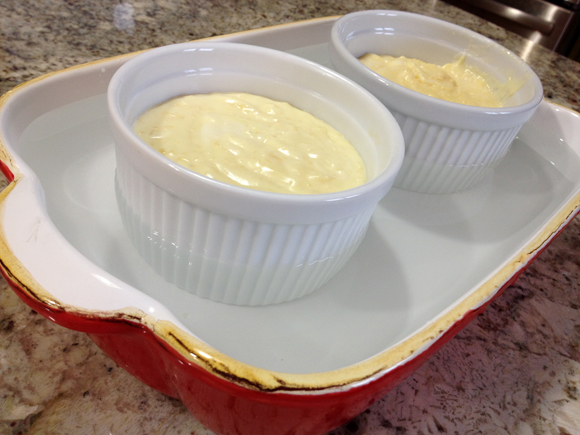
I used chicken thighs instead of whole legs, considered de-boning them myself, but then went with what I found at the grocery store ready to use, boneless, skinless pieces. The marinade kept the pieces very moist, they stood well to grilling.  I more or less halved the whole recipe, but ended up making the full amount of the pecorino pudding, because I suspected we would love it as a side dish for another meal later. I was right, so if you are making this recipe just for you and your favorite person in the world, go for the full amount of pudding, it’s the same work for double rewards!
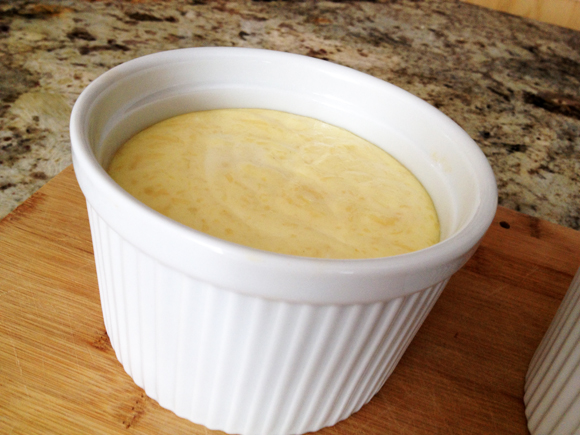

mousseThe Pecorino Pudding… absolutely wonderful on its own! 

 Another change I made was using slivered almonds instead of pine nuts. A few years ago I was getting ready to use pine nuts in a recipe and decided to munch on a couple after toasting. They were rancid, even though the bag was stored the freezer.  Have you ever tasted a rancid pine nut? My advice: do not. I know it’s silly to avoid them, but let’s say I’ve been very happy substituting slivered almonds, and did the same for this recipe. I simply did not want to run the risk of ruining our special dinner.
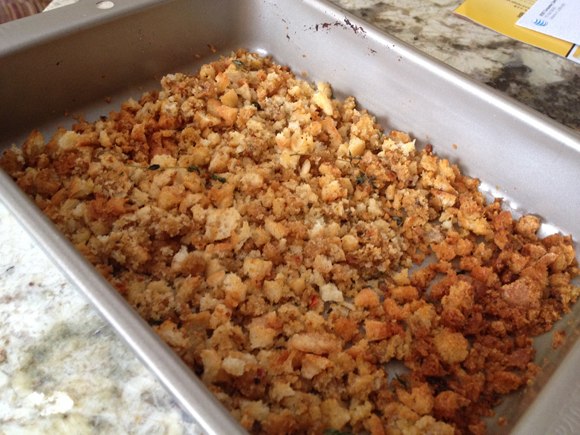
tosted

Please don’t cut corners and use store-bought bread crumbs. No bueno. Go the extra mile and toast your own bread crumbs, keeping them with a coarse texture. As we sat down and savored the meal, Phil said “this dish would be a star in the best Parisian bistrots”.   Mission accomplished, Sally pats herself on the back, although patting Suzanne’s back would be more appropriate. The egg yolk self-transforms into a luscious sauce that envelops the flavorful chicken, and the pecorino pudding underneath provides the exact amount of sharpness, but with a soft and pleasant texture. What a great combination of components!

All things considered, I’m in awe of restaurant chefs, sous-chefs, and prep cooks. Even though I prepared all the components ahead of time, things got pretty frantic close to the finish line. To think that in a restaurant they are able to pull this type of recipe non-stop, is really something! Whenever someone places an order, there they go assembling a perfectly poached egg, a perfectly cooked chicken, and making sure the presentation is flawless. I am stressed just thinking about it…

And now, time for a walk through The A.O.C. Cookbook
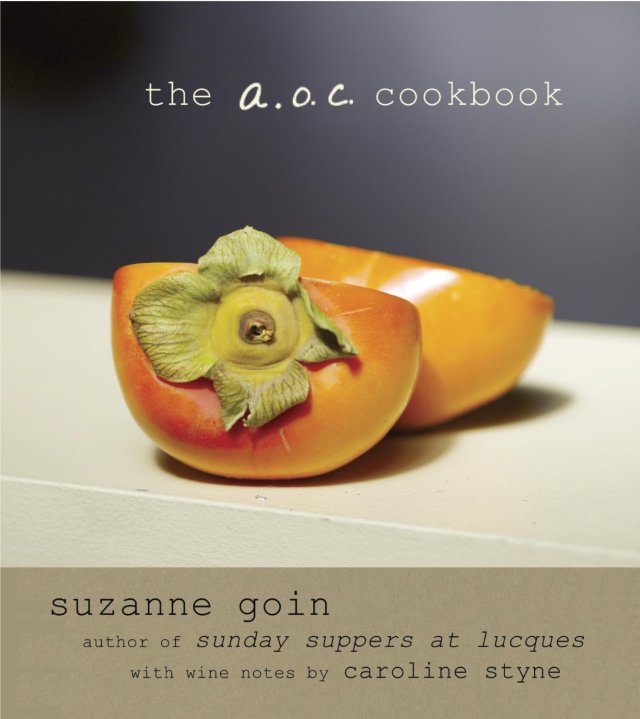
81n4zXpkMcL._SL1500_

Suzanne opened A.O.C. Wine Bar and Restaurant to mimic the atmosphere of the small wine bar at Lucques, where people would sit, eat hours d-oeuvres, have a great time while waiting for their tables. Her idea was to have a wine bar of sorts, in which people could order a few small dishes and informally share. Before you say “tapas bar”, let me assure you it is not at all the case, and it bothers Suzanne when people insist on defining A.O.C. that way.  Think about more elaborate, bigger dishes that happen to be perfect to share.

As usual for my cookbook reviews, instead of giving you a complete list of recipes, I will offer my favorites of each chapter.

Chapter One: Cheese
A delicious collection of recipes, my favorites probably Bacon-Wrapped Dates with Parmesan, and Torta Gorgonzola with Walnuts in Honey. As Suzanne points out, honey and blue cheese are a match made in heaven, adding walnuts brings the additional textural component that fits right in.

Chapter Two: Charcuterie
I pretty much drooled over each and every recipe, but the Chicken Liver Crostini with Pancetta went to the top of my list, after reading that Suzanne’s intention was to “make the most delicious chicken-liver pate I could”. Cannot beat that endorsement. I also would love to try my hands at the Pork Rillettes with Pickled Onions and Cornichons, because rillette was one of the appetizers I ordered most often while living in Paris. Each place seems to have a slightly different take on it, not only as far as spices, but the way the meat is prepared and shredded.

Chapter 3: Salads
This chapter as well as all others coming after it will be divided by season. Growing up in Brazil, where seasons are not well-marked, it took me a while to adapt to the idea of seasonal cooking. But, it’s something I embraced and now appreciate when a cookbook focus on it.

My favorites of this chapter would be Sweet Pea Pancakes with Dungeness Crab and Red Onion Crème Fraîche…  Fattoush Salad with Fried Pita, Cherry Tomatoes, Crumbled Feta and Sumac… and Roasted Kabocha Squash with Dates, Parmesan and Pepitas.  You can see how Suzanne is very creative with her salads, and you could order two or three of them to make a complete meal, no meat needed. Remember? A.O.C. is all about sharing, a place that seems perfect to go with a few friends.

Chapter 4: Fish
Maybe my favorite chapter? Not sure, but a serious contender.  Sharing a few favorites: Alaskan Halibut with Carrot Puree, Asparagus, and Pistou… Wild Salmon with Spinach Soubise, Wilted Leeks, and Meyer Lemon Butter (OMG!)… Black Bass with Fennel Puree, Winter Citrus, and Green Olives in Green Harissa.  Notice how long the names of her recipes are? Well, at least you know exactly what you will be enjoying!

Chapter 5: Meat
I am of course very partial to the opening recipe, Mustard-Grilled Chicken with Spinach, Pine Nuts, Pecorino, and Soft Egg, which was featured in this post.  But then there’s also Lamb Paillards with Risotto Carbonara, English Peas, and Chanterelles… or her Grilled Chicken with Fresh Garbanzos, Corn, and Chile-Cumin Butter. If you are feeling adventurous, consider her Braised Duck with Madeira, Kale Stuffing, and Dates. Sounds like heaven to me! If pork is more what you are looking for, she has a great looking recipe for Pork Confit with Caramelized Apples and Cabbage in Red Wine.

Chapter 6: Vegetables
I really enjoyed reading her introduction of this chapter. Quoting from the book: “I feel I walk the line of respecting and showing off the inner beauty and inherent deliciousness of the vegetables, while also giving them a little dressing up or a nudge of sexiness and surprise”.  That says it all. She really shines in her preparation of veggies.

My favorites, pretty hard to pick: English Peas with Saffron Butter and Pea Shoots,… Crushed Corn Pudding with Poblanos and Queso Fresco… Balsamic-Glazed Brussels Sprouts with Pancetta… and Turmeric-Spiced Root Vegetables with Kaffir Lime Yogurt and Mint Chutney (OMG #2).

Chapter 7: From the Wood-burning Oven
Must quote her again: “I know intellectually that you can work wonders with plastic bags and vacuum packing; I have tasted sublime creations made with liquid nitrogen, meat glue, and other such things; but personally I want to get my hands in the food, I want to feel and smell the wood burning”.  (this is all music to Sally’s ears…)

My favorites of this chapter: Brioche with Prosciutto, Gruyère, and Sunny-side-up Egg… Roasted Cauliflower with Curry and Red Vinegar… Lamb Meatballs with Spiced Tomato Sauce, Mint, and Feta.

Chapter 8: Desserts
For someone who doesn’t have much of a sweet tooth, it’s odd but true: all recipes appealed to me. For instance, her opening Spring option: Frozen Meyer Lemon Meringue Tart with Gingersnap Crust and Blueberry Compote (OMG#3)…  her Chocolate Mascarpone Tart with Pistachios in Olive Oil…  or her Sticky Toffee Pudding with Blood Orange, Tangerine, and Whipped Crème Fraîche. But, if you are going for the kill, take a deep breath and imagine this: Vanilla Pot de Crème with Dulce de Leche, Marcona Almonds, and a Layer of Chocolate. Ok, I am officially done. If you are not howling in gastronomic pleasure by now, there’s something wrong, and well, I feel a little sad for you  🙂

Chapter 8: A.O.C. Cheese
A list of all cheeses you can find at her wine bar. Mind blowing. If you are expecting that boring list found in so many books, “hard cheeses, soft cheeses, blue cheeses”, with a few meager examples of each, be ready to be absolutely amazed.  She lists hundreds of types of cheese, most of them I have never heard of. They are divided by type of milk, and country of origin. Since I’ve never met a cheese I did not like, I bet I would welcome any of them at my table.  Each cheese has a reasonably detailed summary of its “personality”.  A real masterpiece of a chapter to close a great cookbook. A.O.C. brings good  balance between short stories, Suzanne’s thoughts on food, and the detailed recipes are paired with excellent photography:  the icing on the cake.

Suzanne, thanks for giving me permission to publish one of your recipes, and I look forward to visiting A.O.C. in person in the near future!

ONE YEAR AGO: Chai Brownies

TWO YEARS AGO:  A Small Tribute to a Big Man

THREE YEARS AGO: Still got stout?

FOUR YEARS AGO: The Real Vodka Sauce

FIVE YEARS AGO: Spring Rolls on a Spring Day


MASCARPONE MOUSSE FROM BAKING CHEZ MOI

FACT: a truth known by actual experience or observation;
something known to be true.

For instance: I have too many cookbooks.  That is a fact. I don’t need another cookbook. Also a fact. Oddly enough, both were ignored when a third event recently took place:  I ordered Dorie Greenspan’s Baking Chez Moi. Instead of being ashamed of my lack of will power,  I jumped up and down with joy when the package arrived. Later that same evening I took it to my bedside table, where I intended to browse through a few pages, but instead found myself unable to put it down. Not enough sleep that night.  If you face the fact of owning too many cookbooks, and think you don’t need another one, I will be brutally honest: you are wrong. You must invite this one into your home. Released just last month, I know it will become a classic. And you don’t want to be out of that loop, do you?

mascarpone mousse
MASCARPONE MOUSSE
(reprinted with permission from Dorie Greenspan)

1/2 teaspoon unflavored gelatin
1 1/2 tablespoon cold water
8 ounces (227 g) mascarpone
1/3 cup (80 mL) heavy cream
2 tablespoons honey
3 large egg whites, at room temperature
pinch of fine sea salt
3 tablespoons sugar

Put the gelatin in a microwave-safe bowl, pour over the cold water and let the gelatin sit for about 3 minutes, or until it is completely moistened and has begun to expand. Then heat the gelatin in a microwave oven for 15 to 20 seconds to liquefy it.

Scrape the mascarpone into a large bowl, preferably one that has a pouring spout, and gently stir to loosen it.

Pour the cream and honey into a small saucepan, put over medium heat and bring just to a boil. Allow the liquid to cool for 5 minutes, then pour some into the gelatin and stir until smooth. Stir the contents of the gelatin bowl into the remaining cream and then pour everything into the bowl with the mascarpone. Use a whisk to blend gently.

Working in the bowl of a stand mixer fitted with the whisk attachment, beat the egg whites and salt together on medium-high speed until the whites just begin to turn opaque. Little by little, add the sugar and keep beating until the whites are marshmallowy – blowy and white, and when you lift the whisk, they’ll form tipsy peaks.

Turn the whites out onto the mascarpone mixture and, using a flexible spatula, lightly fold them in. Thoroughness is less important than gentleness here.

Pour or spoon the mousse into four 1-cup-capacity bowls. Cover the mousse with plastic film and refrigerate for at least 3 hours before serving, making sure to keep it away from foods with strong odors.

ENJOY!

to print the recipe, click here

FruitTopYou can gild the lily with some berries, either crushed with a little sugar in the bottom of the bowl, or as whole fruit on top. 

Comments: I always joke with Phil that Giada de Laurentiis in her cooking shows tends to use a few ingredients a bit too often.  Mascarpone is one of them. Hazelnut is another. You blink once, and there she is, grabbing the mascarpone from the fridge, and the bag of hazelnuts from the pantry.  So, I almost did  not pay attention to this dessert in Dorie’s book.  But, her description of the way the sweetness of honey plays with the tartness of the mascarpone and how the dessert kind of grows on you with each spoonful, convinced me to try it.  We recently had a couple of friends over for a Brazilian style dinner (steak, rice, black beans), and I wanted a dessert that would be tasty but not overly heavy.  This mascarpone mousse was perfect for the occasion, even if I say so myself…  Plus, I made smaller servings than called for. Dorie’s recipe is supposed to make 4 servings, I divided the mousse into six small bowls.  The description of Dorie is spot on: the mousse has a perfectly creamy texture, smooth, not too sweet, and the mascarpone and the honey together form a match hard to beat. I would not change anything in this mousse, and would recommend you try it if you need a dessert that is not on the heavy side.

And now, time for an overview of Dorie’s new book, the one that you must invite into your home right after you finish reading my post.

Baking Chez Moi Cover

“These are the recipes the French bake at home for their families and their closest friends. They are generous, satisfying recipes tied to places, traditions, customs and culture.”
(Dorie Greenspan, Baking Chez Moi)

The way I see it, her book is the opposite of another she wrote together with Mr. Hermé,  Desserts by Pierre Hermé. In that book, nothing is simple, and every single one of the concoctions are the stuff that French people would buy at a pastry shop to take to a dinner party, or serve to lucky guests on a special occasion.  It is an amazing cookbook, but even though I’ve had it for more than 10 years, I made only two recipes from it, and each one left me feeling as if I had run a marathon. Barefoot. However, I must say that the French lemon tart is the best I’ve ever tasted, and worth buying the book to enjoy it.

Baking Chez Moi is a totally different entity. You will want to go to the kitchen right away to start baking, with no need to sit down and meditate in preparation, or light a bunch of candles to the Pastry Gods.  The book is divided in 6 chapters: Simple Cakes, Fancy Cakes, Tarts & Galettes, Baby Cakes & Petite Pastries, Cookies & Bars, and Fruit, Creams, Frozen Desserts & Candies.   A final closing chapter on Basics.  I will not list every recipe in the book, just give you a quick overview highlighting the ones that appealed to me the most.

Simple Cakes.  All the recipes in this chapter are indeed simple, often with just a few ingredients, perhaps the best example being Plain and Simple Almond Cake. To make it, you will need eggs, sugar, and almond flour. A hint of vanilla. That is it.  I can imagine the wonderful texture and delicate almond flavor.  Quite a few tasty apple cakes, including Custardy Apple Squares that seem perfect for that afternoon snack, or a special brunch.  Another great concoction in this chapter is a Cheesecake, Alsatian Style.  I had the opportunity of tasting one while living in France, it is lighter than the American version, so if you love cheesecake, don’t skip this one. With her Cornmeal and Berry Cake, she brings the fashionable olive oil cakes that everyone raves about these days. The same theme is present in her Hazelnut, Ginger and Olive Oil Cake (amazing flavors put together). Spiced Honey Cake made my heart skip a beat.  I just know it will be one of my favorites, as I am crazy for pain d’épices.

Fancy Cakes. In this chapter, she dials it up a notch, but the recipes are still quite user-friendly, and her notes so clear that even those who suffer from cake-phobia will be tempted to dive in.  The first cake in the chapter is a thing of beauty, the Moka Dupont.  A sort of icebox cake assembled with cookies, coffee and chocolate buttercream.  Shaved chocolate decorations on top.  Such a stylish little cake!  Sunday in Paris Chocolate Cake: with a name like this, who would not want to make it?  Love this particular instruction, “some of the chocolate may drip down the sides – let it.”  Tarte Tropézienne, is a cake made in fact with a buttery brioche dough, split in half horizontally and filled with a combination of creams.  It was a favorite of  the famous Brigitte Bardot in her early years of acting in Saint-Tropez. It is still very popular in that region, where each patisserie carries its own version.  A beautiful Gingerbread Bûche de Noël is also part of this chapter.  Not sure I have what it takes to face it, but it is such a classic!  Galette de Rois, a dessert that brings me nice memories of my days living in Paris, and a gorgeous Rose Fraisier, made with genoise and strawberries close this elegant chapter.

Tartes and Galettes. By far the number one for me is the Apple Tarte Flambée.  Why? She describes it as a sweet version of flammkuchen, a very thin pizza-like concoction from Alsatia that when I tried for the first time I thought I had died and gone straight to heaven. Will never forget the restaurant either, a very small place near Institut Pasteur at the 15eme.  I went back there quite often, usually all alone, heart-broken and feeling sorry for myself, but flammkuchen comforted me quite well.  Other goodies that called my attention in this chapter are Pear Tart with Crunchy Almond ToppingApricot-Raspberry Tart, Simplest Plum Tart, Caramelized Cinnamon-Milk Chocolate Tart (oh, my…),  and – are you ready for this one? – Crème Brûlée Tart.  Ok, that pretty much does it, although Tiramisu Tart sounds almost as decadent.

Baby Cakes and Petite Pastries. This chapter stole my heart and ran away with it… The first recipe already made me melt a little: Nutella Buttons. Enough said. Think tiny cupcakes with a Nutella filling and a glaze of chocolate ganache.  Happiness disguised in pastry. Pistachio and Raspberries Financiers, followed by Matcha Financiers are elegant, simple, and made in a two-bite serving. Lemon Madeleines of course had to be included, and a version of Black-and-White Marbled Madeleines is also there. Cannelés? Yes, of course! I must make them, as I even have the silicone pan for that, sitting in my cabinet. No excuses. What do you think of Chocolate Cream Puffs with Mascarpone Filling? Sounds fantastic to me. Beignets, Pailles, Merveilles, and Palmiers.  A French Nirvana in small pastries form.

Cookies and Bars.  Dorie starts the chapter explaining that the traditional French cookie is the sablé, a shortbread type of delicacy that accounts for “half a hundred of the hundreds of cookies” in the French repertoire. Recently I made a chocolate chip cookie based on a shortbread dough and fell in love with its delicate, slightly crumbly texture. So, let’s say I am more than ready to embrace sablés. Some of the cookies that spoke dearly to me in this group are: Vanilla Bean, Toasted Buckwheat and Chopped Chocolate, Viennese, Green Tea Sablés. But, of course macarons are incredibly enticing, and she’s got several types like Basque Macarons, Parisian Macarons (the photo will blow your mind), Macaron Biscotti.  I also noticed her Cocoa Crunch Meringue Sandwiches, and Lavender Galettes (like a galette in cookie presentation). My favorite cookie of all times, Speculoos is part of her collection, and for that I am grateful. In the bar type of cookies, my favorites would be Lemon Bars, and Granola Bars.

Fruit, Creams, Frozen Desserts and Candies. A lot appealed to me in this chapter. How could I not go crazy for the Apple Speculoos Crumble?  But there is a Dark Chocolate Mousse, a Mascarpone Mousse (recipe included in this post),  a Honey-Yogurt Mousse, Lavender-White Chocolate Pots de Creme, Caramelized-Coffee Bean Pots de Creme, Speculoos Panna Cotta (excuse me while I close my eyes and dream a little), Chocolate Truffles, and Soft Salted-Butter Caramels.

Final Chapter,  Basics. Here you will learn many techniques and basic sauces and components of recipes such as how to make a Hot Fudge Sauce, a Raspberry Coulis,  a Spiced Hibiscus Syrup, Candied Petals, Flowers, Leaves and Herbs, among many other things.  Wonderful way to wrap up a great book!

A few final remarks: every recipe has a small introduction with a little story behind the recipe or the person who first introduced it to Dorie.  Just enough chit-chat to spice it up without being overwhelming.  Most recipes also include a short paragraph entitled “Bonne Idée“, with suggestions on how to slightly change it, with an added component, or a different type of presentation.  Baking Chez Moi is one of those cookbooks that you can read over and over like a novel.  I am glad I lack will power to resist certain temptations…

+++++++++++++++++++++++++++++++++++++++++++++++++++++++

So, there you have it, my little virtual tour of Dorie’s new cookbook, that must be part of your collection.  Dorie, thanks for giving me permission to publish your recipe! I look forward to baking more and more from it…

+++++++++++++++++++++++++++++++++++++++++++++++++++++++

ONE YEAR AGO: Pumpkin Brigadeiros

TWO YEARS AGO: Pumpkin Espresso Loaf

THREE YEARS AGO: Caramelized Carrot Soup

FOUR YEARS AGO: Miso-Grilled Shrimp

FIVE YEARS AGO: A Special Holiday Fruitcake

SPICE CAKE WITH BLACKERRY PUREE & THE GLOBAL PASTRY TABLE REVIEW

HAPPY THANKSGIVING TO ALL MY AMERICAN READERS! 

After five and a half years blogging, a few things about me should be quite obvious for those who have been around this site for a while.  For instance, my obsession with exercise and fitness is almost as intense as my fear of baking cakes. However, even though I am terrified of baking them, cakes fascinate me so much that I often visit blogs of talented bakers, to live vicariously through them. You know, those amazing people who are not afraid of Italian meringue, of piping gorgeous flowers with buttercream icing, or slicing a cake horizontally in perfect flat layers. One such blog is Pastry Studio. If you don’t know this site yet, you are in for a very sweet treat…  Gayle Gonzales has been blogging since 2007, so there is a lot to drool over in her virtual spot.  One of the reasons Pastry Studio captivated me is the way she adds “Bench Notes” to her recipes.  Just to give you a couple of examples,  check out her Roasted Pineapple with Pink Peppercorns., or her Brownie Brittle. The recipes would be great by themselves, but the bench notes add that extra stuff that makes a person like me consider the recipe doable.  Little tips that an experienced baker can offer, but not always does. Many cookbooks and food blogs assume those to be superfluous, since it should all go well.  Clearly, they have not been in my kitchen.  😉

When I learned that she published her first e-cookbook, I ordered it right away. The Global Pastry Table has 95 recipes, of which 70 are not in her site, so even if you followed her blog from the get-go, the book will give you a lot of new recipes to choose from.  I had a bit of trouble to decide which delicious concoction to bake first. I wanted it to be a cake, and my love for spices pointed me to her Spice Cake with Blackberries. I am thrilled to inform that it was a smooth baking session: the dogs slept through the whole thing, undisturbed by eggs dropping on the floor, exploding bags of flour, or flying spatulas. So there! I might be getting better at this cake baking thing… Ok, I know what you’re thinking: it’s all thanks to her bench notes.  I’m afraid you might be right.

SpiceCakeBlackberry

SPICE CAKE WITH BLACKBERRIES
(reprinted with permission from Gayle Gonzales)

for the cake:
1 + 1/4 cups cake flour (5 oz)
1/2 teaspoon baking powder
1/4 teaspoon baking soda
1/4 teaspoon salt
3/4 teaspoon cinnamon
3/4 teaspoon ground cardamon
1/4 teaspoon allspice
1/4 teaspoon ground nutmeg
pinch of ground cloves
1/2 cup (4 oz) buttermilk, at room temperature
1 teaspoon vanilla extract
3 oz (6 tablespoons) unsalted butter, at room temperature
1/2 cup (3 + 1/2 oz) granulated sugar
1/4 cup (1+3/4 oz) dark brown sugar
2 large eggs, at room temperature

for the filling:
6 oz fresh blackberries
2-3 teaspoons granulated sugar (to taste)
powdered sugar, for dusting

Heat the oven to 350 F. Lightly grease an 8” x 2 1/2” cake pan and line the bottom with parchment paper.

Sift the flour, baking powder, baking soda, salt, and spices. Measure out the buttermilk and add the vanilla.

Beat butter and both sugars until light and fluffy, about 4 minutes. Scrape down the bowl. Add eggs one at a time, beating well after each addition and scraping down the bowl as you go. Add the flour mixture in thirds, alternating with half the buttermilk and beginning and ending with the flour. When the batter looks fairly well combined, use a rubber spatula to finish mixing the batter.

Pour the batter into the prepared pa and spread evenly. Bake for 28 to 30 minutes or until a tester inserted in the center of the cake comes out clean. Let the cake cool for 10 minutes. Run a thin bladed knife around the edges and invert the cake. Gently peel off the parchment and invert again. Cool completely.

Place the blackberries in a bowl and sprinkle with sugar, to taste. Set aside to macerate for about 10 minutes and then mash them with a fork.

Using a long serrated knife, cut the cake in half horizontally and set the top aside. Place the bottom on a platter and spread a thin layer of blackberries. Replace the top half of he cake and dust with powdered sugar.

ENJOY!

to print the recipe, click here

composite2

This was a great cake, from start to finish, no problems. Of course there is room for improvement, because I did not have the exact size cake pan she recommends. I used a 9-inch pan instead of 8-inch. So my slices were a little thinner, and I should have used less filling.  But, I don’t really care, those are details that don’t bother me. I had NO trouble slicing the cake in half, and that in itself is a monumental feat.  The cake was a huge success with the members of our department, I received emails and visits to the lab. Felt like a Royal Baker.

And now, let me take you through Gayle’s book, The Global Pastry Table

GPTcoverFINALmarketingColor

First of all, did you know that even if you don’t have a reader like Kindle or iPad you can get ebooks and read them in your computer or other devices? All you need is to download a free software and you are all set. Stop by amazon and click away.

Gayle introduces her book with this paragraph: “The Global Pastry Table is a collection of pastries and desserts with a reverence for international style. It’s your invitation to the flavors and aromas of a world connected.”  Indeed, all her recipes start with a little paragraph explaining its origin, and you will see she assembled a collection of goodies rooted in many geographic regions of the world. The book is divided in 6 sections: Cakes, Custards & Creams, Tarts & Galettes, Cookies, Ice Cream, and a final section on More Pastries and Desserts. The first adjective that came to my mind as I browsed the recipes was “refined”. Even recipes that seem pretty simple have an aura of refinement and rustic elegance. Apart from being a great baker, Gayle is a fantastic photographer, and took all the photos of the book.

For a visual tour of all recipes included in The Global Pastry Table, visit Gayle’s flickr collection.  

Chapter One: Cakes
You would be surprised to learn how many cake and dessert cookbooks I own, but for most of them I’d say less than 30% of the cakes included appeal to me.  In Gayle’s e-book, every single one of the 21 cakes sounded great. Shocking, I admit. I will not list them all, you can check the full index at amazon, but I’ll give you my top five (excluding the cake from this post). Cake with Chocolate Cardamon Glaze; Olive Oil Wine Cake, Rum Cake with Spiced Butter Rum Sauce, Hazelnut Cake, Yogurt Cake with Roasted Five-Spice Plums. Well, I must give you a sixth, because it is an amazing cake, very unique and enticing: it is called Coil Cake, an yeasted cake original from Morocco. Show-stopper.

Chapter Two: Custards & Creams
Ten delicious options, once again I would make any of them without exception. Five top choices would be: Brown Sugar Panna Cotta with Five-Spice Figs; Coconut Cream (reminds me of a Brazilian classic called : Flan de Coco); Oranges with Rosemary Sabayon (a simple, very refreshing dessert); Yogurt Mousse with Grapefruit Gelee; Maple Custard (must make this one).

Chapter Three: Tarts & Galettes
I admit that I don’t make tarts and galettes very often.  For my taste, they are too heavy as dessert after a meal, and I am not too fond of sweets mid-afternoon or at breakfast. But, I know I am part of a minority, and of the ten options Gayle has in her book, it was easy to pick my top five. Apricot Galette; Butterscotch Cream Tart; Pear Galette with Honey Cream & Blue Cheese (great combination of flavors); Balsamic Strawberry Tart.

Chapter Four: Cookies
Twenty two amazing cookies for you. Don’t expect a regular choc chip cookie here, she really shines in this collection, going from very simple Plain Jane Cookies to Chocolate Hazelnut Nutella Sandwich Cookies (excuse me as I try to regain my composure). Five top choices for me (excluding that Nutella example already mentioned): Sesame Tiles; Oatmeal Shortbread; Chocolate Olive Oil Madeleines; Chocolate Garam Masala Cookies; Spice Route Cookies…  but it’s really hard to stop here.

Chapter Five: Ice Cream
Fourteen ice frozen concoctions, that are all incredibly creative and unique. Five top choices: Pistachio Gelato; Brown Sugar Creme Fraiche Ice Cream with Balsamic Syrup; Earl Grey Ice Cream; Guinness Ice Cream with Oat Crumble; Lime Ice Cream with Ginger Crumble. I must say, though, that I would gladly try them all.

Chapter Six: More Pastries and Desserts
Eighteen additional goodies, very hard to pick only five to showcase here.  By far my number one choice would be the Vanilla Custard in Phyllo. Her description and the photo made me want to go to the kitchen and make it right away. My other favorites would probably be Three Spice Russian Braid (gorgeous shaping of a loaf); Roasted Grapes with Yogurt Honey Cream; Pear and Ginger Scones; Pumpkin Empanadas.

I want to remind my readers that I do not do reviews by request, be it cookbooks or products. I only review things I love. I hope that you will stop by Pastry Studio to get to know Gayle and her wonderful site, and that you invite her cookbook into your virtual library.  It is truly a special publication, made with a lot of passion and attention to detail.

If you love being in your kitchen… if you love having people at your table… if you love that moment of opening the oven door and seeing what has transpired… if you love the preparing, the serving, the sharing, the savoring, I know you will enjoy this collection. (Gayle Gonzales, The Global Pastry Table)

ONE YEAR AGO: Own Your Kitchen with Cappuccino Panna Cotta

TWO YEARS AGO: Chicken Parmigiana, the Thriller

THREE YEARS AGO: Wild Mushroom Risotto

FOUR YEARS AGO: Tartine Bread:  Basic Country Loaf 

FIVE YEARS AGO:  Pugliese Bread