BBA#23: PANE SICILIANO

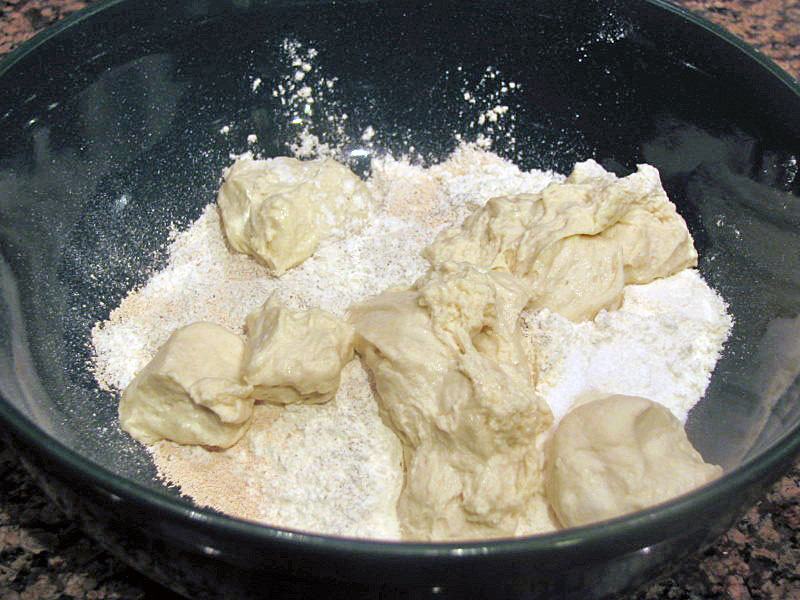
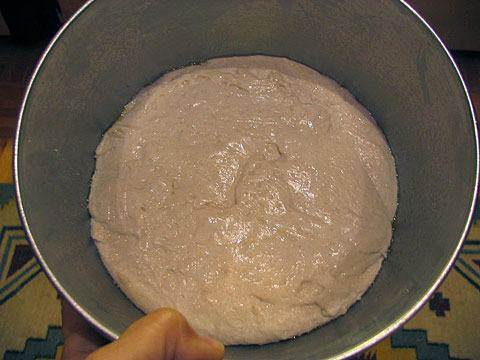
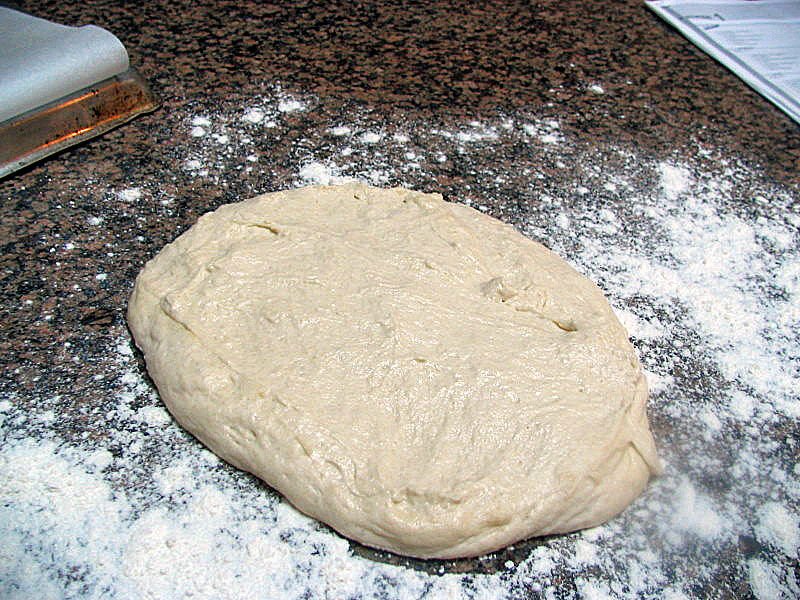
I’ve made this bread about a year ago, and it didn’t turn out very good, so I was not exactly thrilled to make it this weekend for the BBA Challenge.  It takes three days from beginning to end, on the first day you make a pate fermentee, on the second day you make the dough and shape the bread, put it in the fridge overnight and bake next morning.
Siciliano1

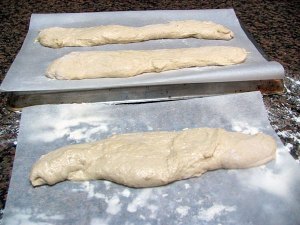
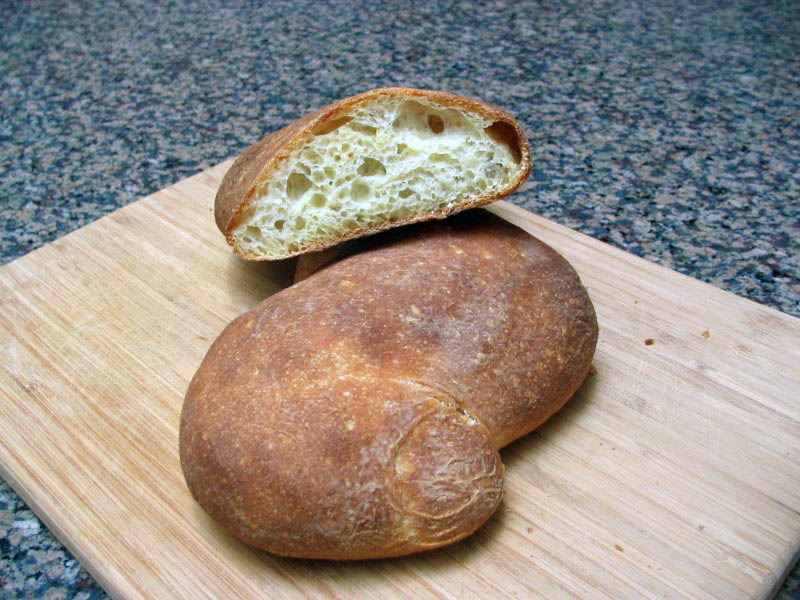
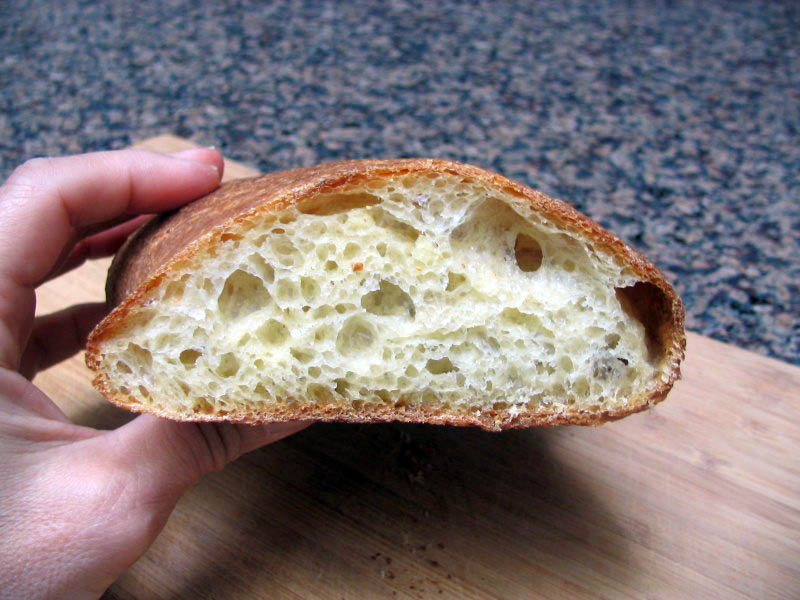
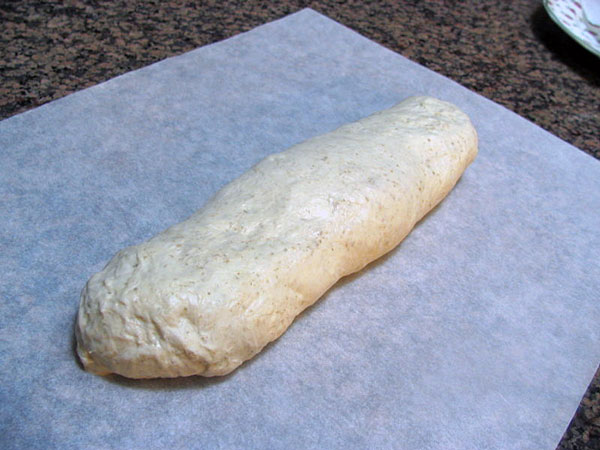
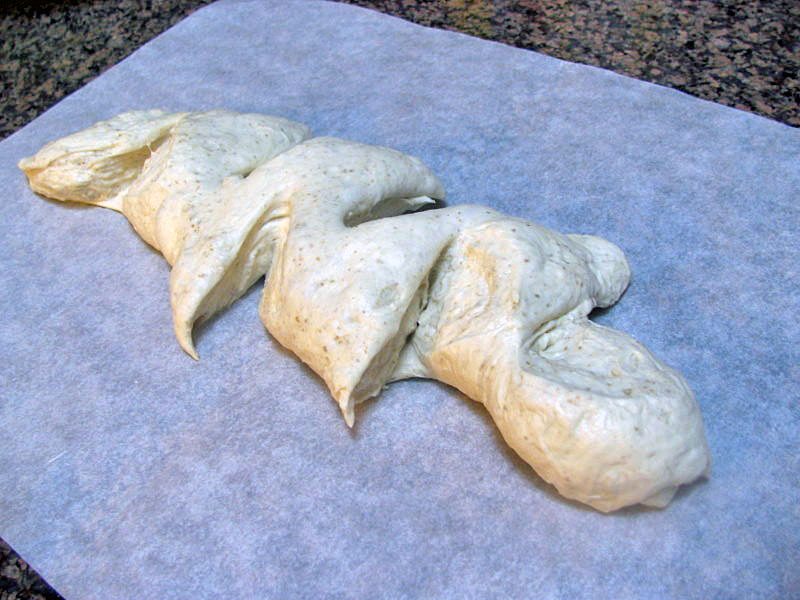
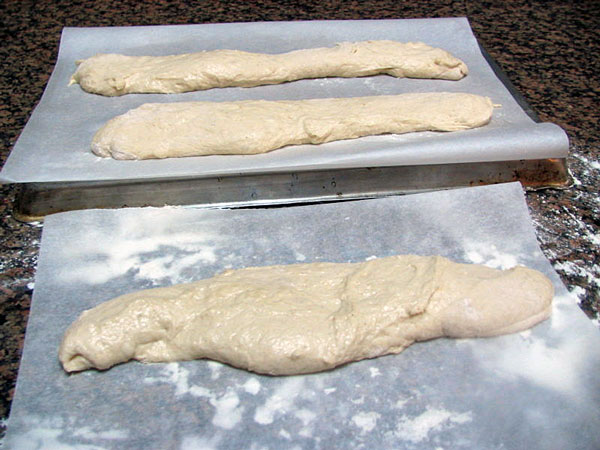
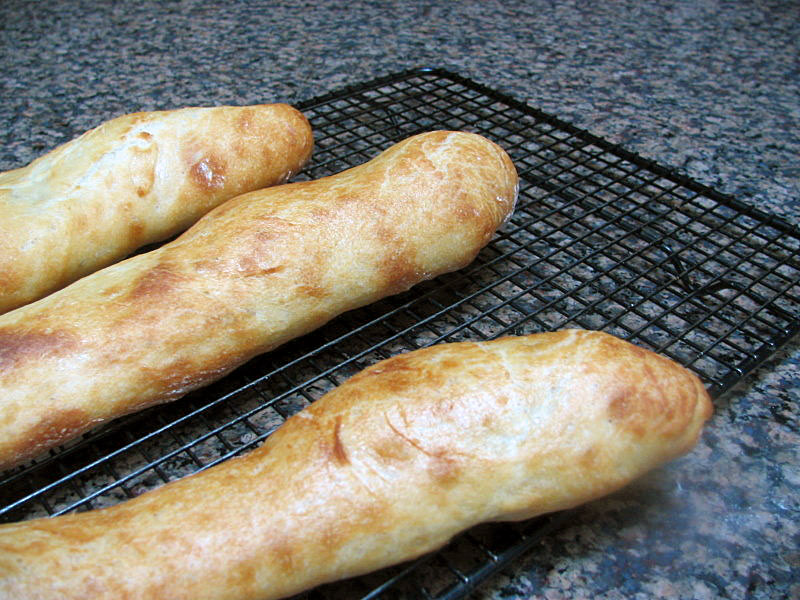
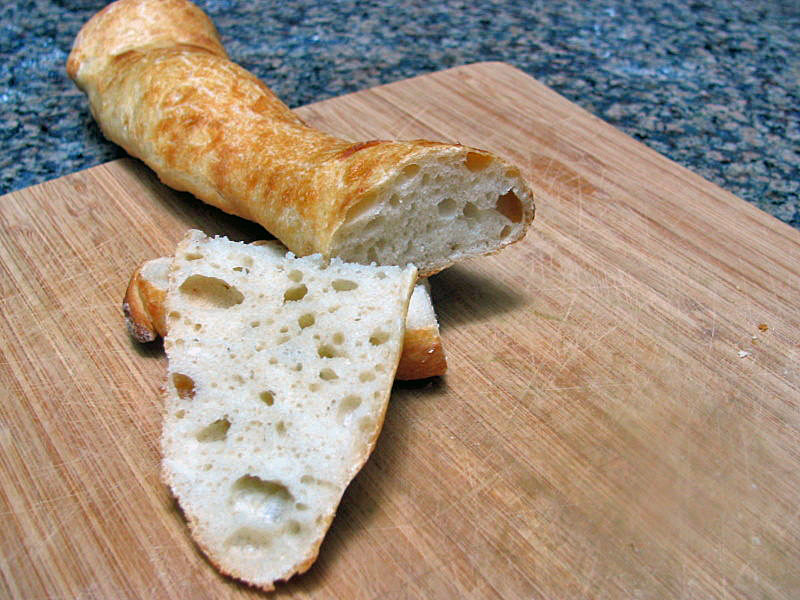
My pictures tell you two things: first, I had problems shaping the dough, instead of a nice S shape, it got kind of bulky. Second , the bread had almost zero oven spring (a term used by bakers referring to how much the bread rises during baking).  My loaves ended up quite small, a problem that also happened to Paul (you can check his website following a link at the end of my post).

It tasted ok, but not great, a little too dry for my taste. I don’t think I’ll be making it again.

doughCrumb

Check out the loaves made by my virtual friends ahead of me in the BBA Challenge:

Paul….

Carolyn

Oggi

Joelen

Mags

and TxFarmer

Next in this baking journey: panettone! Looking forward to it…

BBA#22: PAIN DE CAMPAGNE

“Pain” in French has nothing to do with “pain” in English, but this bread gave me plenty of pain. Let’s start with the good news: the crumb.
Crumb1

I’d be embarrassed to meet Peter Reinhart after BBA#22. I managed to mangle the “epis” shape. In my defense, I couldn’t resist the challenge of shaping it, as one of our favorite boulangeries in Paris is called “Pain d’Epis“. I’ve now developed an increased sense of respect for their wonderfully shaped breads, baked to perfection, day in and day out.

Back to the recipe. It calls for pate fermentee, made the day before and refrigerated overnight. In the morning add all the other ingredients (I used rye flour as the whole wheat component), and complete the recipe. I folded the dough (3 times) instead of kneading.
doughprep

To make the “epis” shape, first form a baguette-type loaf …
formed
then make scissor-cuts in opposite directions.
cutepis

After one more hour of rising, into the oven it goes….
book

Well, well, well … hmmmm, something went wrong. I guess the cuts should be more parallel to the surface, and deeper. When properly cut, the lobes of dough can be moved further apart, because if not the dough will rise and join the “epis” together again.

I lost the battle, but not the war, because the bread was very tasty, with a good crumb, nice crust,  not as as hard as a sourdough’s crust, just right… I want to perfect this shaping of the epis, though, and if anyone has advice, ideas or suggestions, I’m all ears!

Twenty-two breads down, twenty-one to go!

Check some of the “pain de campagne” made by my fellow bakers (maybe they can give me some lessons!):

Carolyn, from Two Skinny Jenkins

Joelen, from “What’s Cookin’ Chicago?”

Oggi, from “I Can Do That” (and evidently she can do a fantastic job!)

Mags, from “The Other Side of Fifty

Paul, from “Yumarama Artisan Bread

Txfarmer from sina.blog (very nice step by step photos)

BBA#21: PAIN A L’ANCIENNE

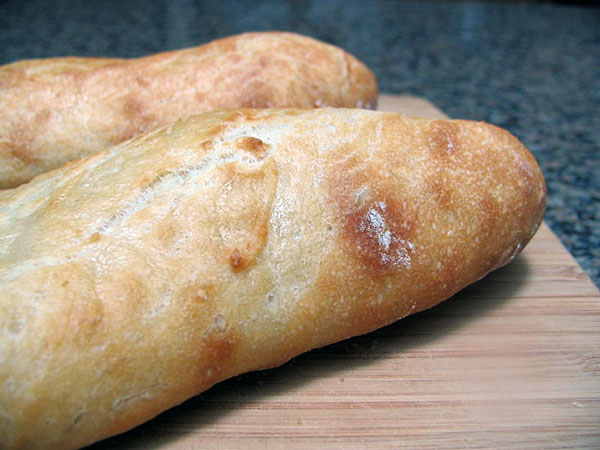
Among the breads in Peter Reinhart’s book, I put this one in my “top-five-list”! Having lived in Paris for several years, I always crave the amazing baguettes that we found in every corner of the city…
Pain1

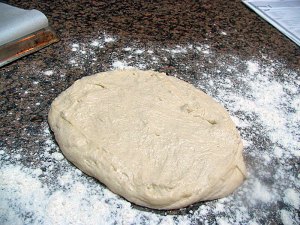
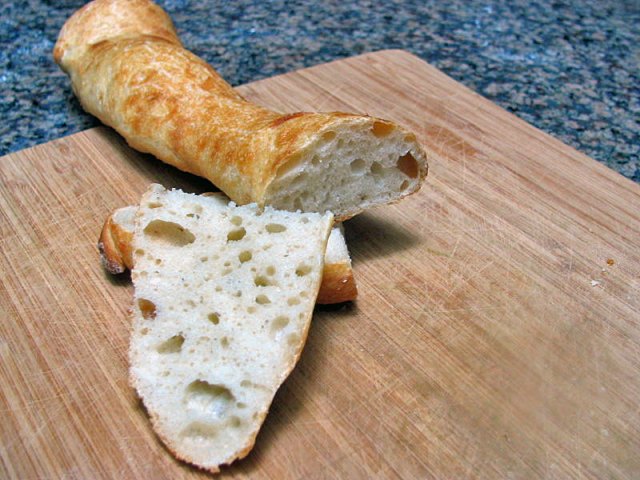
The recipe for “Pain a l’ancienne” is deceptively simple: flour, water, salt and yeast, followed by a brief kneading, and then into the fridge for several hours.  But, if making the dough is easy and simple, shaping the bread is another story! This is a high hydration dough,  that must be gently handled.  It takes an expert baker to balance the gentleness and assertiveness needed to coax such a soft dough into the correct baguette shape.  Maybe you can get an idea of how tricky it is from the photos…

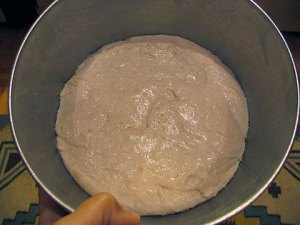
This is the dough after spending the night in the fridge.   Next morning it will slowly “wake up” at room temperature for 2 to 3 hours (mine took about 3 hours and 15 minutes to double in size).
dough

Once it doubles, gently “pour” it out of the bowl, open it in a rectangle, and cut the dough in three “bread-like” pieces (the full recipe makes 6 baguettes, I made a half-recipe).   Then they will be slightly stretched and placed in a very hot oven.
opendoughformed

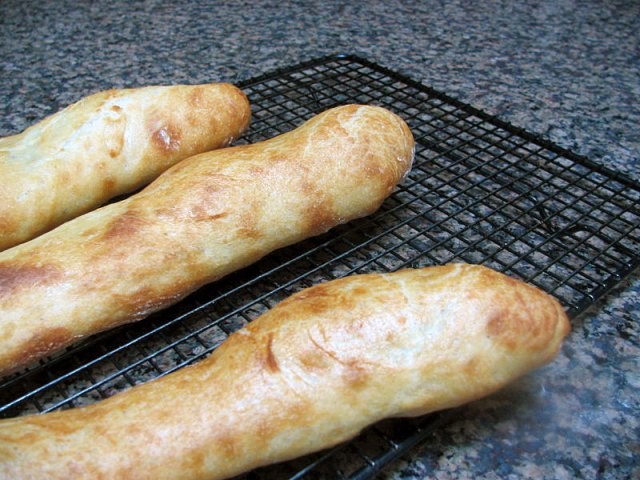
I need more practice with shaping baguettes, and not to mention the “slashing”.  I didn’t slash two of them, and only practiced my skills with the blade on the third.    Indeed, need more practice is a kind way to put it  😉

My baguettes had a “boat shape”, both ends rising up, which, according to Susan, from Wild Yeast,  it means the oven was too hot. Note to self: bake at 475F instead of 490F  next time!
threebaguettes

But, even if  they weren’t the best looking baguettes,  the crumb and the crust were just the way we like them; they were delicious!
crumb1

With this bread, we arrive at the midpoint of the “Bread Baker’s Apprentice Challenge“!    Lots of great breads ahead, but I am starting to feel a bit nostalgic. It’s a lot of fun to “bake a book” like this, with so many other bakers doing the same.  I’ll be a little sad when it’s over, but, for the time being, check out some other bakers’ pain a l’ancienne

Carolyn of Two Skinny Jenkins

Joelen, of “What’s Cookin’, Chicago?

Oggi, of “I Can Do That

Mags, from “The Other Side of Fifty

Paul, from “Yumarama’s Artisan Bread

Txfarmer from her gorgeous Chinese blog

BBA#20: MULTIGRAIN BREAD EXTRAORDINAIRE

Hard to believe it’s number 20 already!

This bread is made with commercial yeast and a mixture of water-soaked grains. Two things to remember: soak the grains, and cook some brown rice the day before. Or, as Carolyn (on Two Skinny Jenkins) and I did,  find yourself in full panic mode when it’s time to make the dough,  realizing too late that brown rice takes AGES to cook! However, she pulled it off nicely by cooking the rice in the microwave. My own saga didn’t have such a happy ending.  Let’s just say that I had some issues yet again.   But, first, here’s the final product, the loaf of multigrain bread extraordinaire….
bread1

As usual, we can’t post the recipes for breads made in the “challenge“, but here are some photos of  the process.

Soak a mixture of grains (cornmeal, rolled oats, and wheat bran) overnight in water, and then added them to bread flour with the other ingredients (yeast, salt, honey, brown sugar, and water).

soakerflour

My mixture lacked…. cooked brown rice… my apologies once more to Peter Reinhart, but after my initial panic I attempted to use the microwave, got “slightly distracted” and by the time I felt a strange smell coming from the kitchen, this was the state of my brown rice.

sadrice

Needless to say, I skipped the rice.  Instead of kneading in the KA, I folded the dough three times at 20, 40, and 60 minutes, formed into a loaf, sprinkled poppy seeds all over, allowed it to rise one more time, and sent it into the oven ….

double2

The bread is just a little too sweet for my taste, so next time I would reduce the amount of honey, or  maybe skip it altogether.  For a multigrain bread I prefer a sourdough base.  Still, my husband liked this bread quite a bit:  “great flavor and succulent crumb” were his comments.  I probably shouldn’t  have slashed it, but I’ve  been practicing this skill at every opportunity.

I wonder what the brown rice would bring to it in terms of taste or texture – I guess the only way to find is to make it again… 😉

slices1

You can take a look at the bakers ahead of me in the challenge, some used loaf pans, Txfarmer made gorgeous little cloverleaf buns.

Deborah, from Italian Food Forever

Oggi, from I Can Do That

Txfarmer from sina.com

Mags, from The Other Side of Fifty

BBA#19: MARBLED RYE

loafready

After a bunch of nice breads in the BBA challenge, it was bound to happen.  Let’s just say that I have “issues” with this recipe.  In practice, it was not too different from the previous assignment (light whole wheat bread), except that such rye-containing doughs should not be kneaded very long, or they become gummy.

For Marbled Rye you prepare two batches of dough, one that gets a darker color from  the addition of caramel coloring or coffee. I chose coffee.  The first thing that I noticed was that my darker dough was not dark enough, but at that point it was too late and I couldn’t do anything, as the texture seemed perfect. I took a deep breath and moved on.

double_opt

I formed the loaf, placed it in the pan, and it rose beautifully….

risen1

I recommend accepting Reinhart’s advice and shaping it free-form. My pan was not big enough, and the bread ended up with a boxy shape.   But, the most important thing for a marbled rye, is the marbling!  Which  in my case didn’t exist.  It just wasn’t there, it wasn’t anywhere!

withbook

I’m accepting names for my fiasco, which tasted pretty good, if that’s any consolation…  “Blobbed Rye”, “Faint Marbled Rye on Drugs”, “Drunk Baker’s Marbled Rye”…

blobby

With my self-confidence bruised, I will move on.

Nineteen breads down, twenty-four to go….

Please make sure you check the other bakers who already made this bread, and did a much better job than me:

Carolyn and Joe from Two Skinny Jenkins

Deborah, from Italian Food Forever

Mags, from The Other Side of Fifty

Oggi, from I Can do That

Txfarmer, with her gorgeous website in Chinese

Paul, from Yumarama Artisan Bread